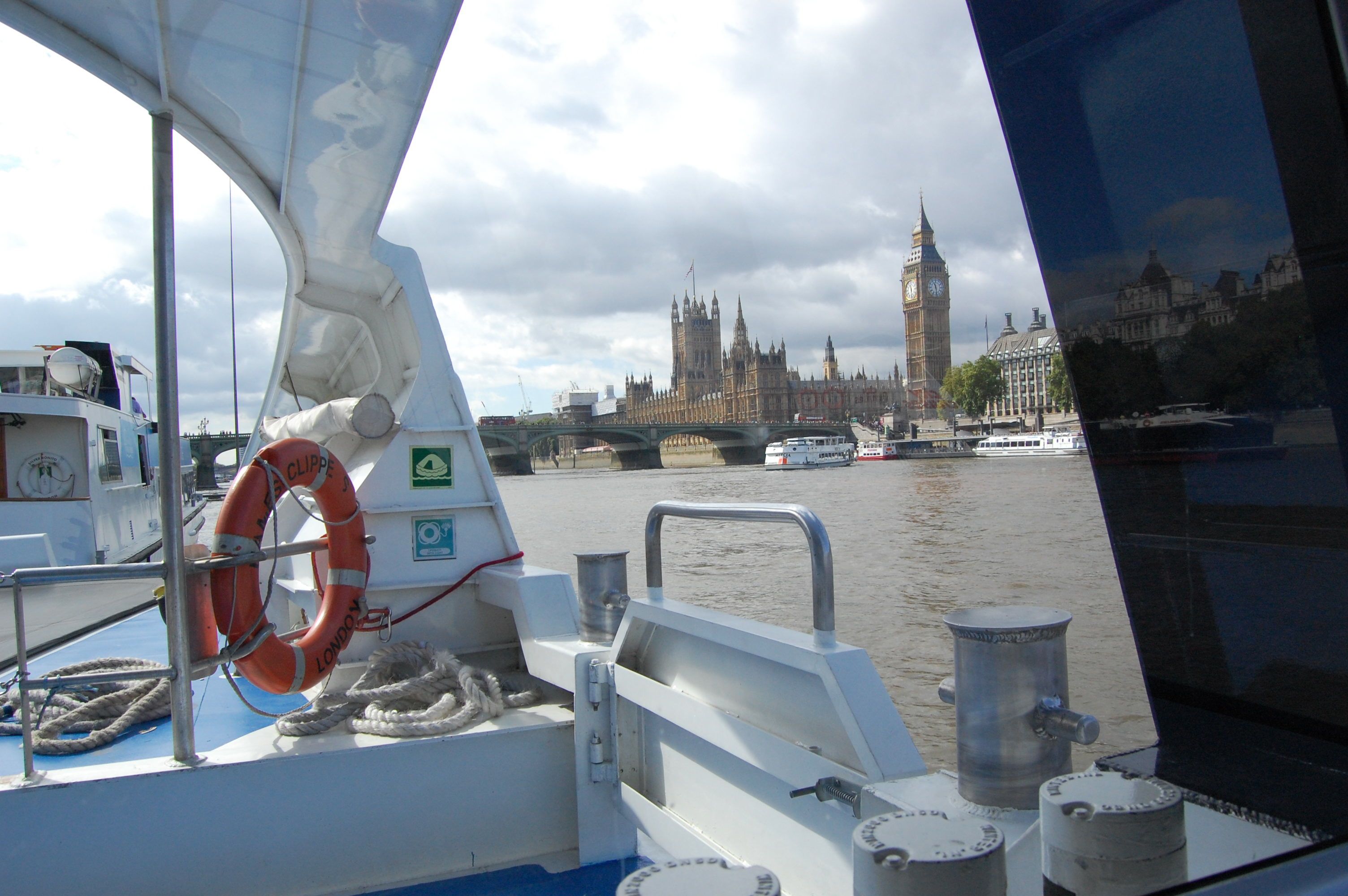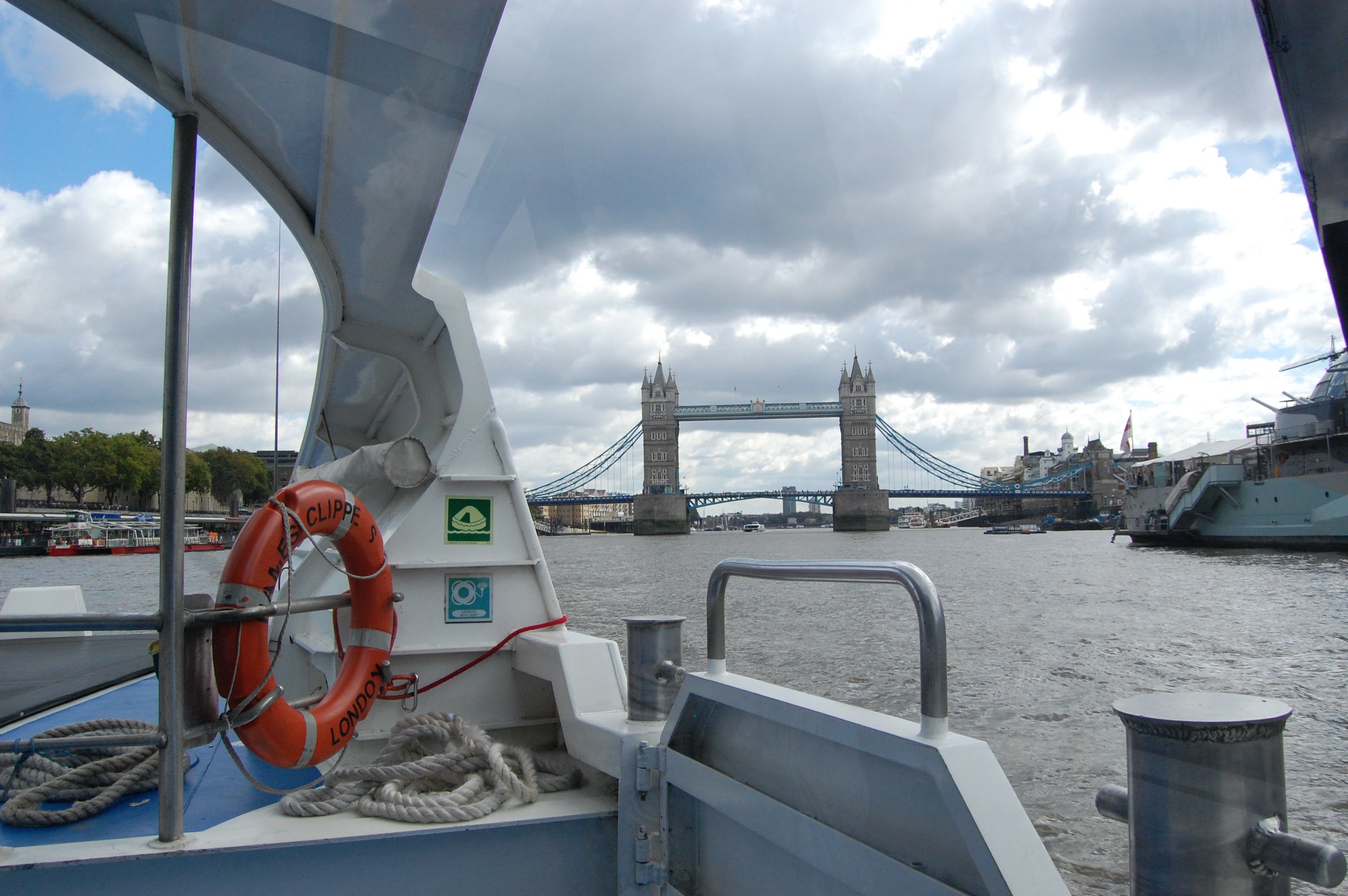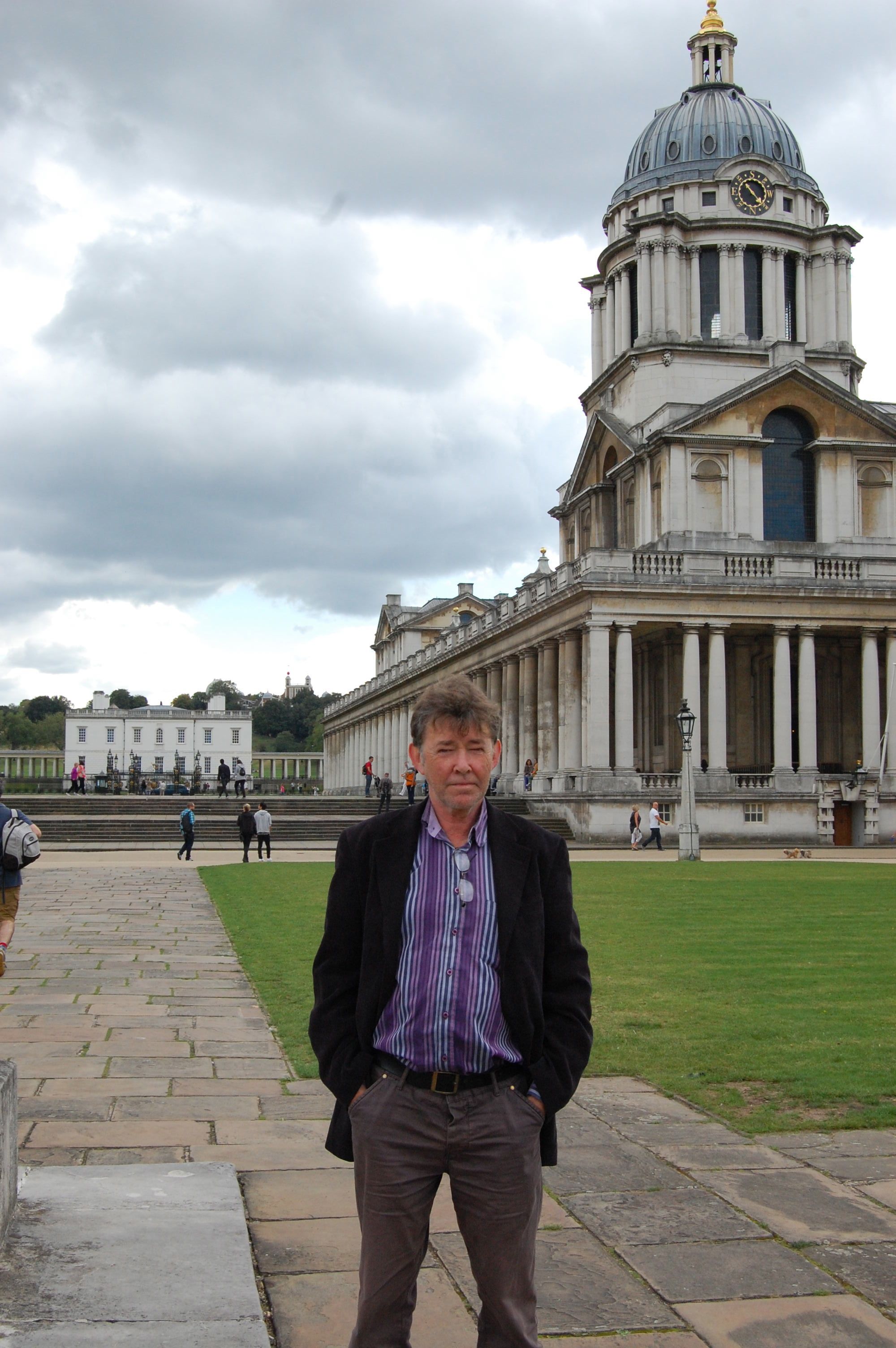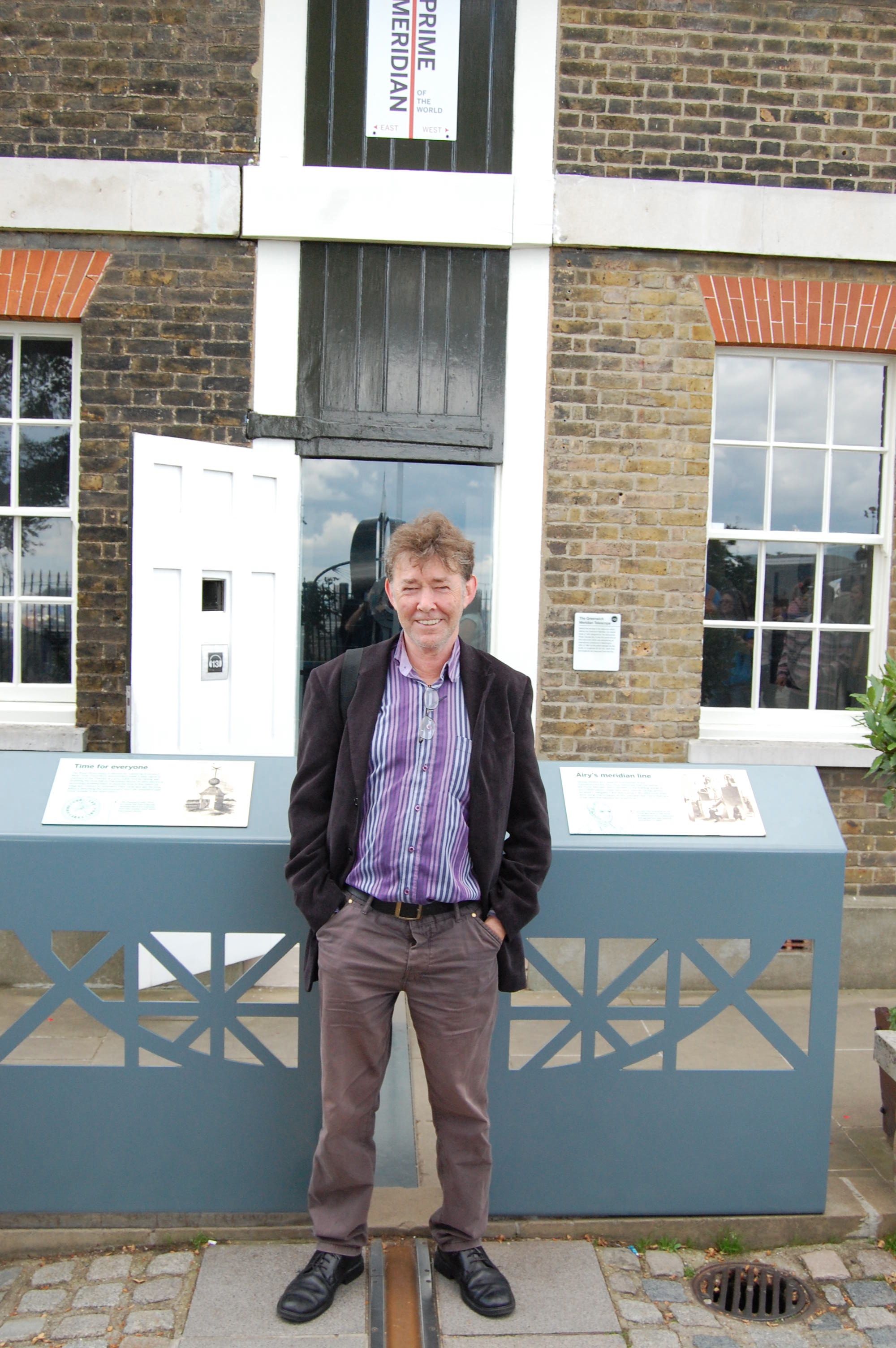
London is my most visited foreign city, a favourite place of mine for over fifty years. I haven’t posted much on it; only an account of a trip up the Thames to Greenwich that I can think of. So, time to put that right. Here’s the first in a compendium of memories of this great city.
The first I saw of London was in the summer of 1973. I was only seventeen and with a couple of friends crowded into a Renault 6 set off on an epic voyage to the neighbouring island. There was a Rock festival at London’s Alexandra Palace, with Ten Years After and Wishbone Ash headlining. Ten Years After were one of my favourites in those days. The late sixties and early seventies gave us Rory Gallagher, Thin Lizzy, Led Zeppelin, Pink Floyd and many more. Dublin was not a major stop on the global concert circus. Other than Ireland’s own, Taste, Lizzy and Horslips, it was slim pickings, though the Doors and Zep did play Dublin’s National Stadium around that time. So, when Ally Pally came up it was the perfect option to tap into the Rock zeitgeist.
The car ferry left from Dun Laoghaire, a four hour crossing to Holyhead in Wales. From there it was a long drive to London, meandering through Wales before passing by Birmingham. We overnighted near Leicester. Looking for a bite to eat, we asked a passing Bobby, as you do, for his recommendations. It was an amusing scene. My two friends were six four, and the policeman might just have equalled minimum height requirements. He recommended a nearby Indian, alien to lads from Dublin, but establishing a lifelong favourite. Who needs halucinatory drugs when you can have a mindbending vindaloo. My companions notable altitude caused panic beyond the forces of law and order. Indeed, febrile hippies, amongst whom we parked overnight, imagined the long arm of the law had found them in the hazy light of morning. Tom and Vin wore their hair short, whereas my flowing locks and mustachios helped ease the situation somewhat. Or maybe I was just the undercover guy.
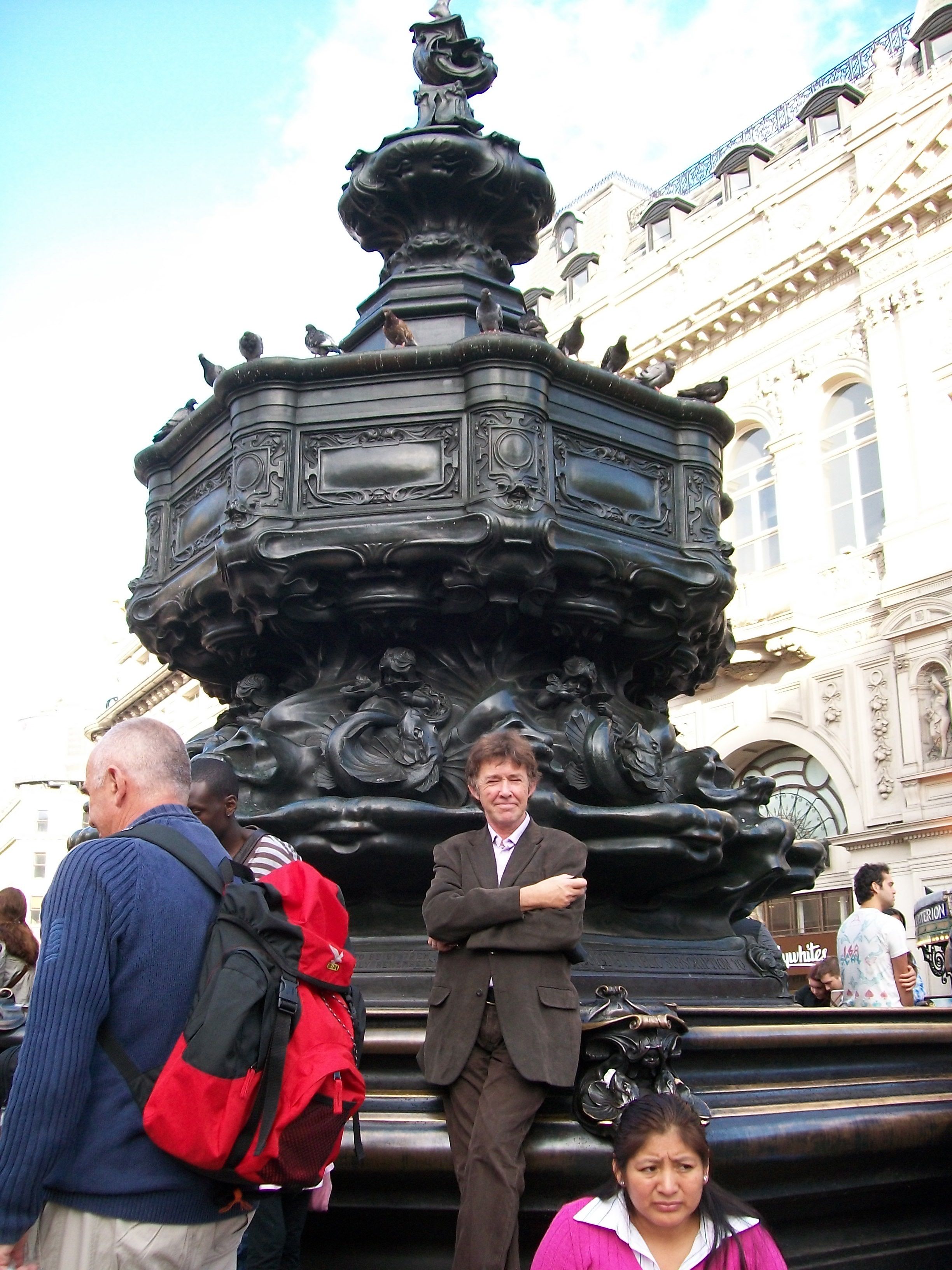
We parked at Potter’s Bar on London’s outskirts, and then stayed with Vin’s cousin Evelyn near Ealing. Our explorations of the great city were limited. We took a jaunt into the centre to pose in Picadilly Circus and swan around Leicester Square. It was decided to take in a film, ideally something along the lines of those banned back home. We got into the x-rated Heavy Traffic. The American film was a mixture of animation and live action, centering on a cartoonist, name of Michael Corleone, navigating the dingier side of New York. As much scabrous and surreal as salacious, it was, I suppose, a hazy premonition for the graphic artist within me. And it was unlikely such a film would ever go on general release in Ireland. Of course, Heavy Trafic is best followed with a plate of spaghetti Bolognese.
We also took a saunter along Ealing Broadway. Ealing is famous for its film studios, the oldest in the world. Home to the Ealing comedies, natch, while the surrounding area has featured in scenes from Doctor Who and Monty Python. Ealing was something of an Alma Mater to Rock Music too. The Ealing Club had been a jazz venue until Alexis Korner’s Blues Incorporated played the basement in 1962, The band included drummer Charlie Watts, Brian Jones and pianist Ian Stewart with Mick Jagger and Keith Richards amongst the audience. Thus the Rolling Stones were gathered. In January 63 they played their first gig with the classic line up including Bill Wyman and Charlie Watts. The Who, Mannred Mann, Eric Burdon and Rod Stewart were also amongst the club’s alumnii. It was a short, but impressive, solar flare; the club closing in 1966.
Alexandra Palace lies further north, about five miles out of town near Muswell Hill. Alexandra Palace was conceived by architect and designer Owen Jones, who planned a Crystal Palace style glass building. It was built instead to the design of John Johnson and Alfred Meeson. From inception in 1873 it has been a people’s palace, built to provide leisure and entertainment for the great unwashed. And there would have been few that weekend more unwashed than ourselves. You could almost hear us hum. Fortunately, our stay in Ealing gave us a chance to clean up.
Instead of People’s Palace, it was named for Alexandra of Denmark,the Princess of Wales, and future Queen from 1901 to 1910. Her husband, Albert Edward, would become Edward VII. Speaking of; there’s a fair few streets named after him in my hometown, Bray: King Edward Road, Albert Walk amongst them. English tenor, John Sims Reeves sang to a crowd of a hundred thousand at the opening on 24th May 1873. Sixteen days later it all burnt down. it was rebuilt and reopened on Mayday 1875. The Palace became home to the first decades of television. BBC’s television service broadcast from there between1935 and 1955, with a break for the war. It burned down again in 1980, but phoenix like, rose from the ashes once more. And yes, Wishbone Ash did play Phoenix at their gig.
The London Music Festival of August 1973 was an annual event and we had a two day ticket. The complex was alive with freaks and hairies like myself, and my two bodyguards. Fumble were playing some ear shattering rock and roll in the bar, while everywhere a strangely Catholic tang of incense hung in the air. I was sufficiently exalted to welcome my heroes to the stage on the second night.
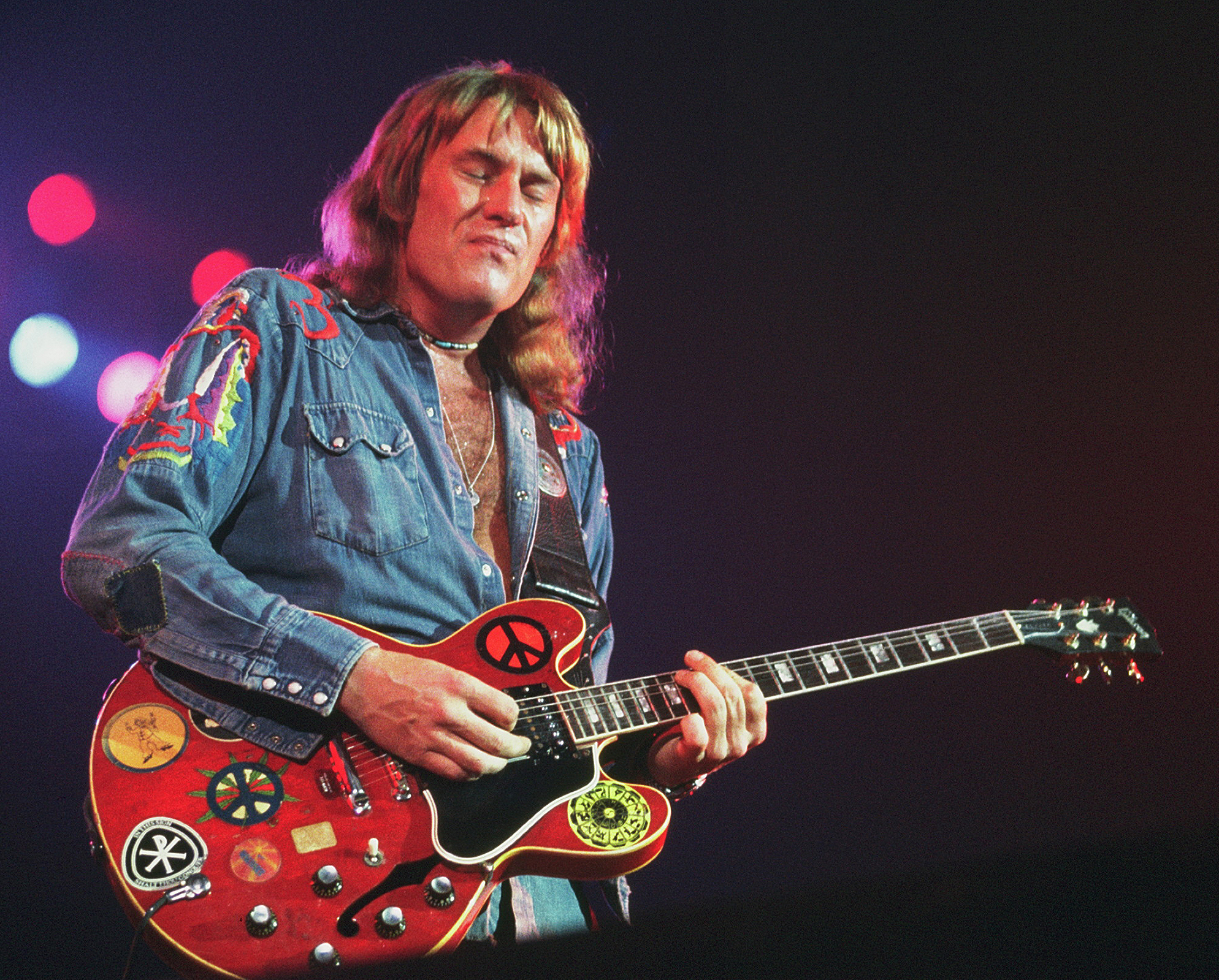
Barclay James Harvest were supporting and very good they were too. But my pulse was racing for the arrival of guitar hero Alvin Lee and his band. Ten Years After came from Nottingham. Alvin Lee, born Graham Barnes in 1944, with Leo Lyons on base, were known for a while as Ivan Jay and the Jaybirds. The name Ten Years After came in 1966, referring to Elvis Presley’s breakthrough year. They were renowned as a live band, their set from Woodstock, playing I’m Going Home, was a highlight of the film. And evermore. I had all the band’s albums. My favourite was A Space in Time from 1971, more complex and introspective than their other albums. It includes one of their few commercial hits, I’d Love to Change the World.
Everywhere is freaks and hairies
Dykes and fairies, tell me, where is sanity?
Tax the rich, feed the poor
‘Til there are no rich no more.
I’d love to change the world
But I don’t know what to do
So I’ll leave it up to you
The lyrics are probably not authorial, Lee and his fanbase would have identiied as ‘freaks and hairies’. The fast paced verse mimics the sloganeering of public discourse, the laid back chorus is more personal, and if anything, rejects the notion of rock star as the go-to person to free the world from its state of chassis.
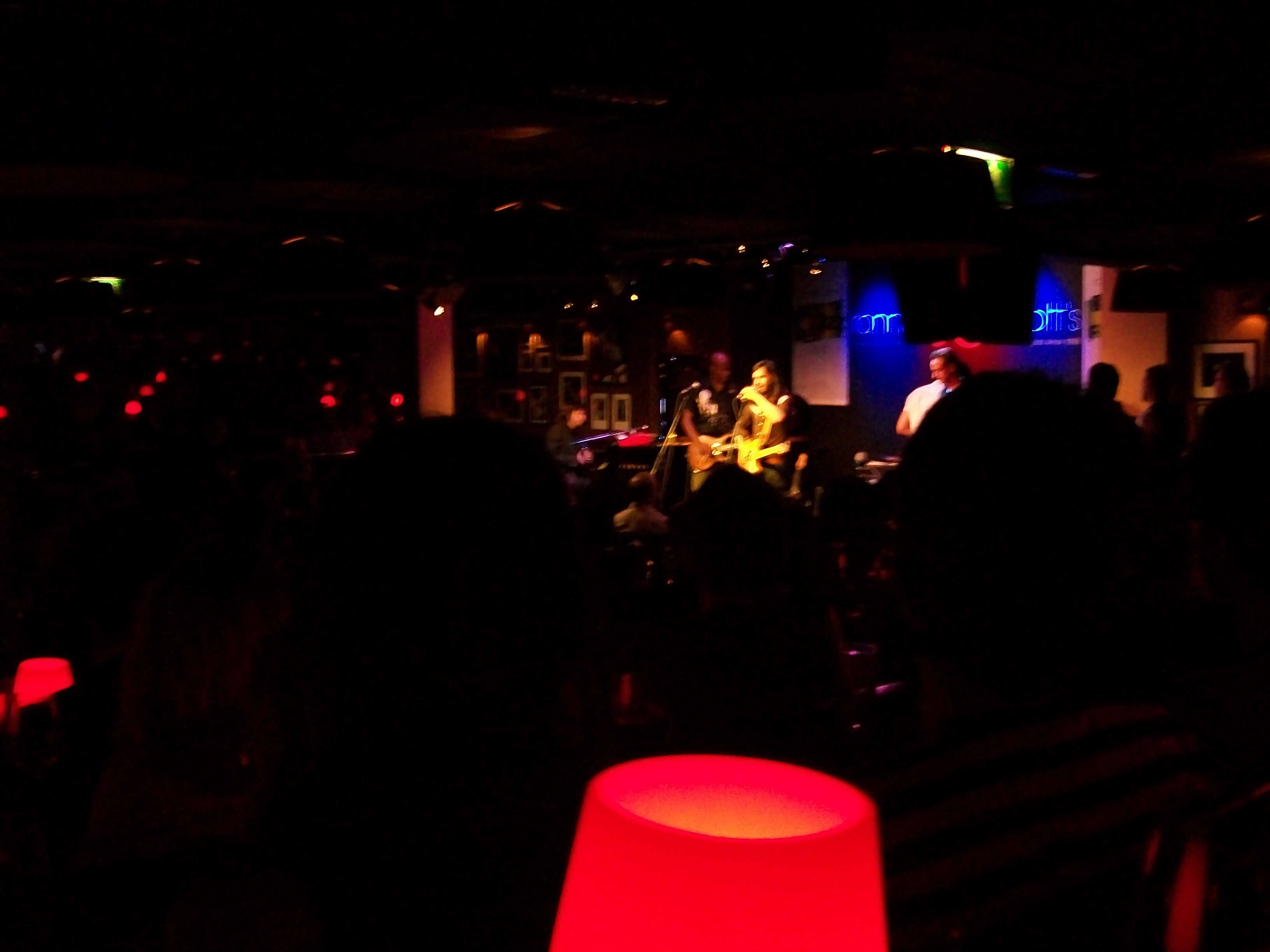
Another time, London circa 2010, we booked a table at Ronnie Scott’s for a blues night. Ronnie Scott’s, the famed Jazz and Blues venue was founded in a Soho basement in 1959 by Scott and Pete King, both saxaphonists. In 1965 it moved to its current larger premises on Frith Street, Soho. Scott died in 1996 but the soul plays on. Jimi Hendrix’s last gig was here in 1970, so what better place for Pilgrimage. Yes, another Wishbone Ash reference.
The party comprised myself and M, with our younger son Davin, a budding rock guitarist himself, and the same age I had been on my first London visit. With suitable flourish I led us across the road, past the queue and through the doors to the sacred sanctum of Jazz and Blues. Amongst the players that night was Marcus Bonfanti, a fine guitarist. Myself and Davin went to the desk at the break and bought his cd. What Good Am I to You. After Alvin Lee died in 2013, Bonfanti joined a new line up of Ten Years After.