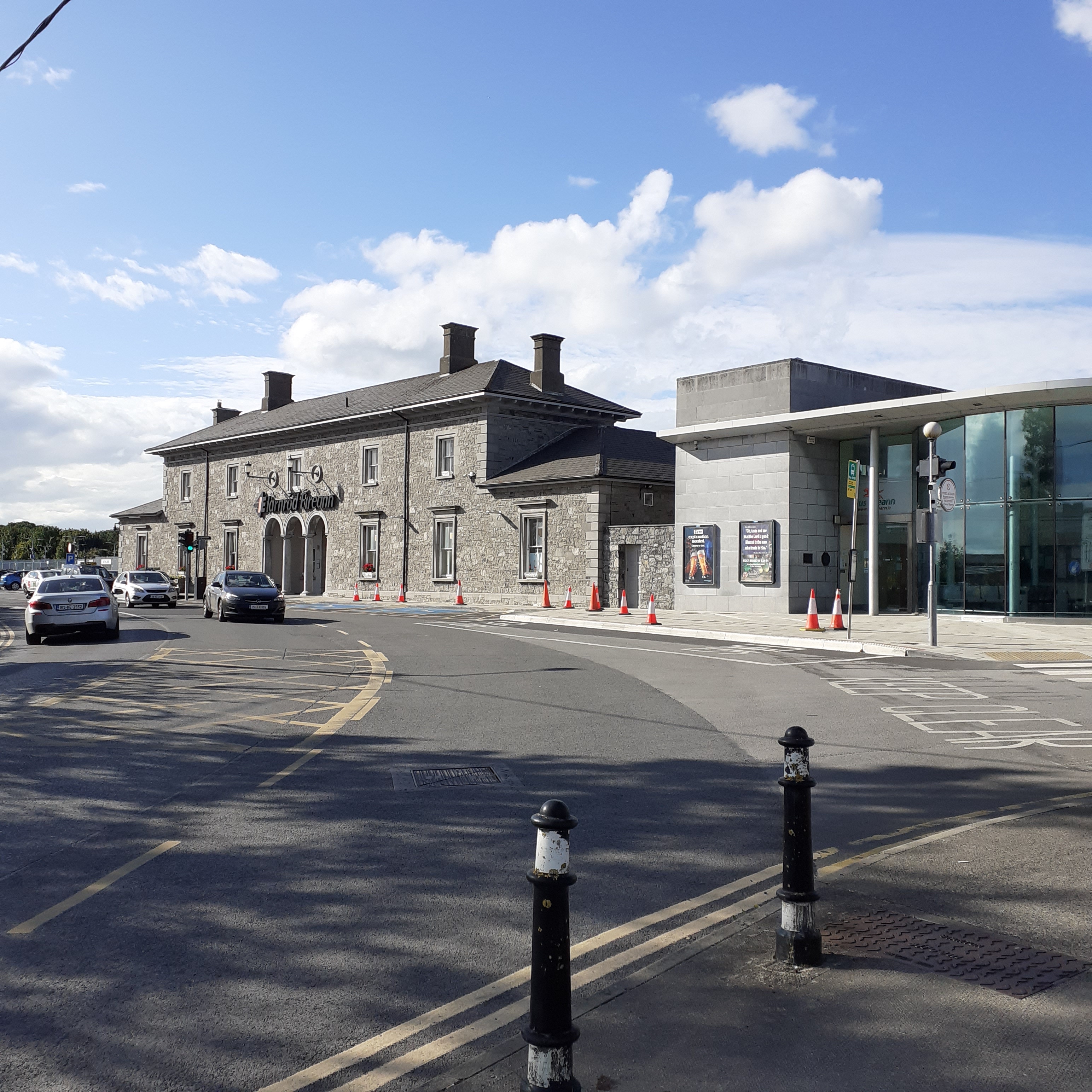
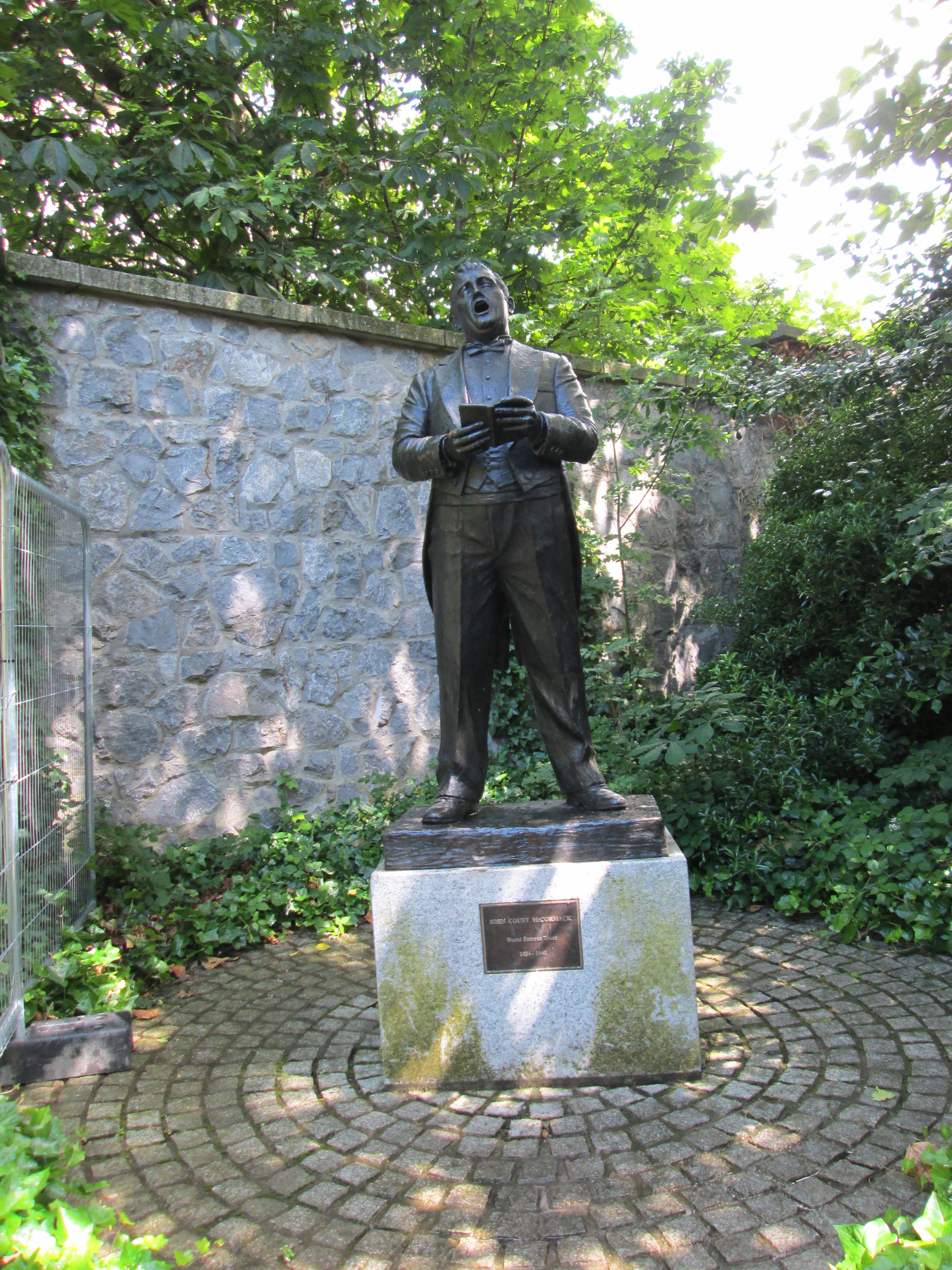
Athlone lies bang in the centre of Ireland, straddling the mighty River Shannon. It is just a hundred and twenty five kilometres west of Dublin, and about halfway between Dublin and Galway. The railway line opened in the 1850s; the station here dates from 1859. There’s a train every forty minutes from Dublin’s Heuston Station and the trip takes an hour and a half. Galway is just under ninety kilometres further on, a little over an hour by rail. The western expansion of the railway system connects to Galway City and to Westport and Ballina in County Mayo. Athlone station lies north east of the town and it’s a pleasant walk into the centre via the Civic Centre. This is a sleek modernist campus built in 2005, a combination of civic buildings including the town hall and library, retail and housing. Seated at its focal point is a bronze statue of Athlone’s most famous son, Count John McCormack. It was made by Irish artist Rory Breslin in 2014, and very good it is too.

Born in Athlone in 1884 McCormack became Ireland’s most renowned tenor whose repertoire ranged from Classic Italian Opera to Irish popular folk songs. Moving to Dublin, in his early twenties he nurtured James Joyce’s singing ambitions, persuading him to enter the Feis Ceoil in 1904 where Joyce got a bronze medal. Though Joyce would follow a different muse, McCormack became a hugely successful concert and recording artist. The songs of Thomas Moore feature strongly in his recordings, as well as patriotic airs and sentimental Irish ballads. He starred in the film Song o’ My Heart with Maureen O’Sullivan in 1930 and lived in a large estate in Hollywood.
He retired in 1938, but returned to live performance in support of the British and Allied war effort in WWII. Ill health forced his final retirement from the stage and he died at his home in Booterstown in 1945.
There’s a bright gleaming light, guiding me home tonight,
Down the long road of white cobble stone,
Down the road that leads back, to that tumble down shack,
To that tumble down shack in Athlone.
This song was recorded by McCormack in 1919. Penned by Richard Pascoe, Monte Carlo and Alma Sanders it was also recorded by Bridie Gallagher and Bing Crosby
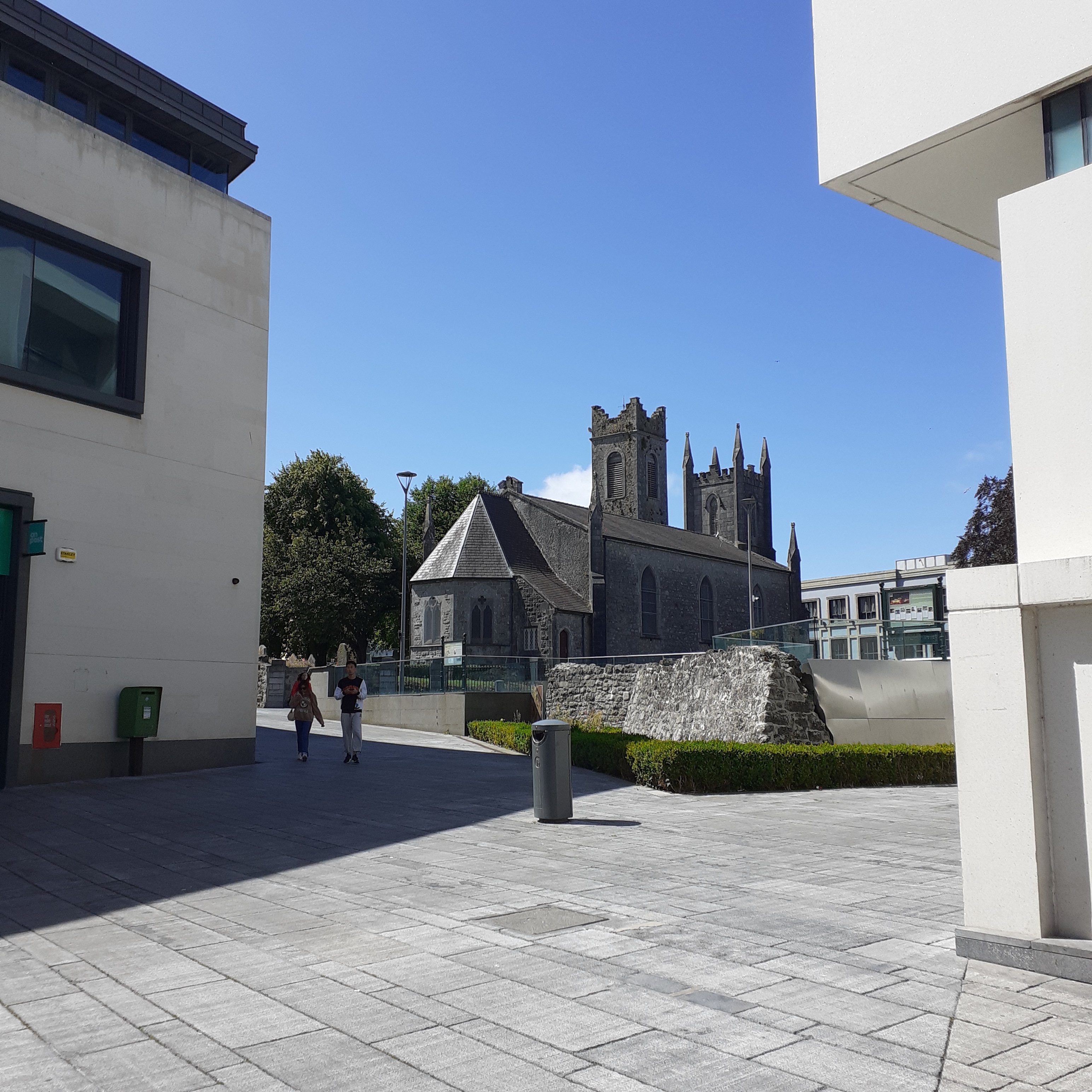
The Town Centre development opens onto Dublin Gate Street, part of the narrow main axis on the East bank leading on to Church Street. Here it contrasts charmingly with St Mary’s Church,(Church of Ireland). The Catholic St Mary’s is farther east heading out of the town. The street winds down to the bridge across the Shannon, the focal point of the town. Lough Ree, the largest lake on the Shannon, lies a few miles upstream to the North. Clonmacnoise, a major monastic site of the Middle Ages, is downriver. Built in the sixth century it flourished until the coming of the Normans, eventually abandoned in the 13th century with the development of Athlone as a defendable settlement. There are boat cruises you can take to visit.
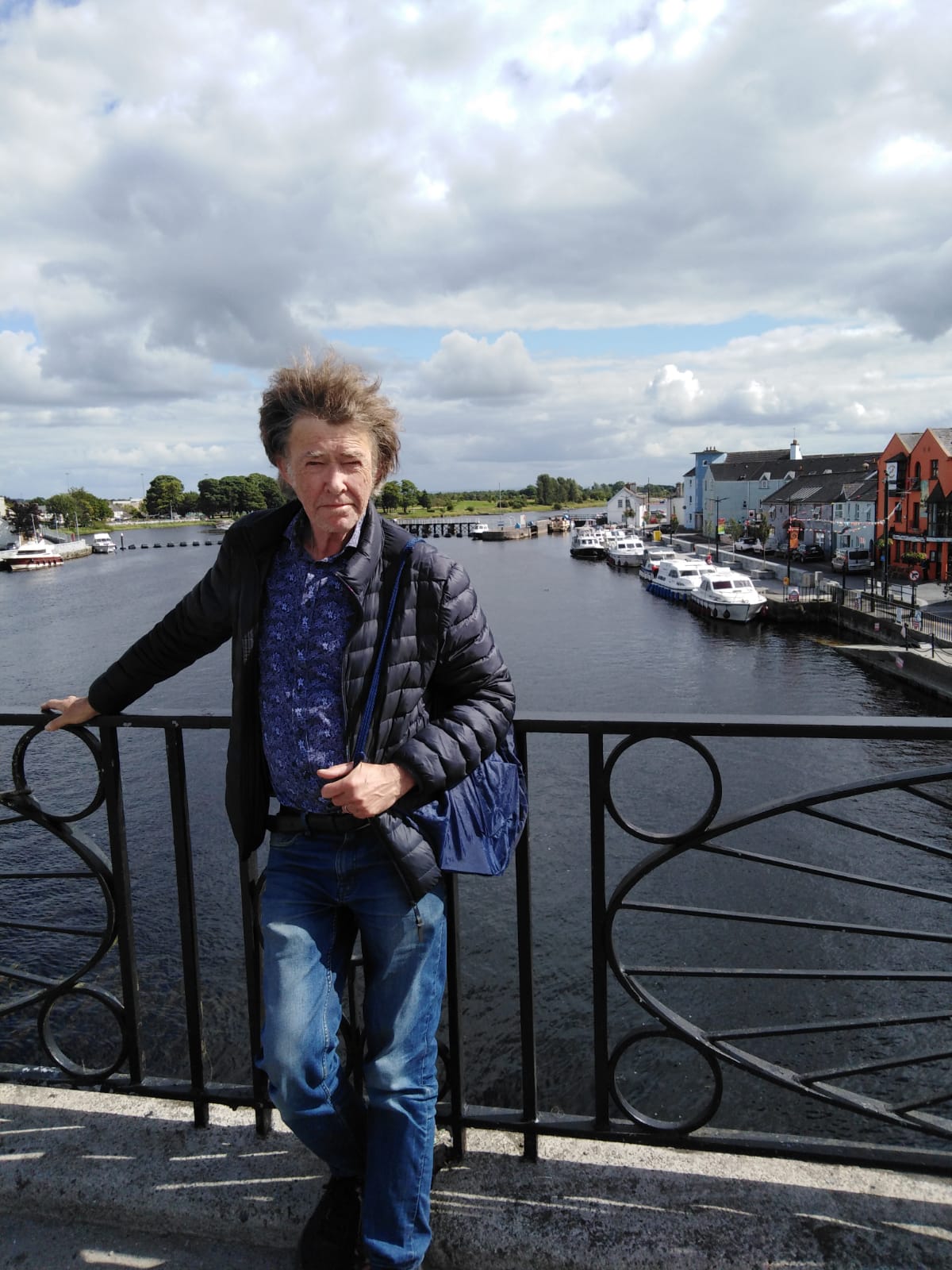
Athlone has a population of twenty three thousand people. The name means Ford of Luan, from it’s founder, a shadowy figure. The Gaelic word Luan translates as Monday and may, perhaps, refer to the Moon. The idea of this fording place, midway along the great river, as the ford of the moon is poetic; but I am being fanciful. County Westmeath stretches along the East bank of the Shannon, however Athlone extends onto the West bank. It’s central location has long made Athlone strategically important
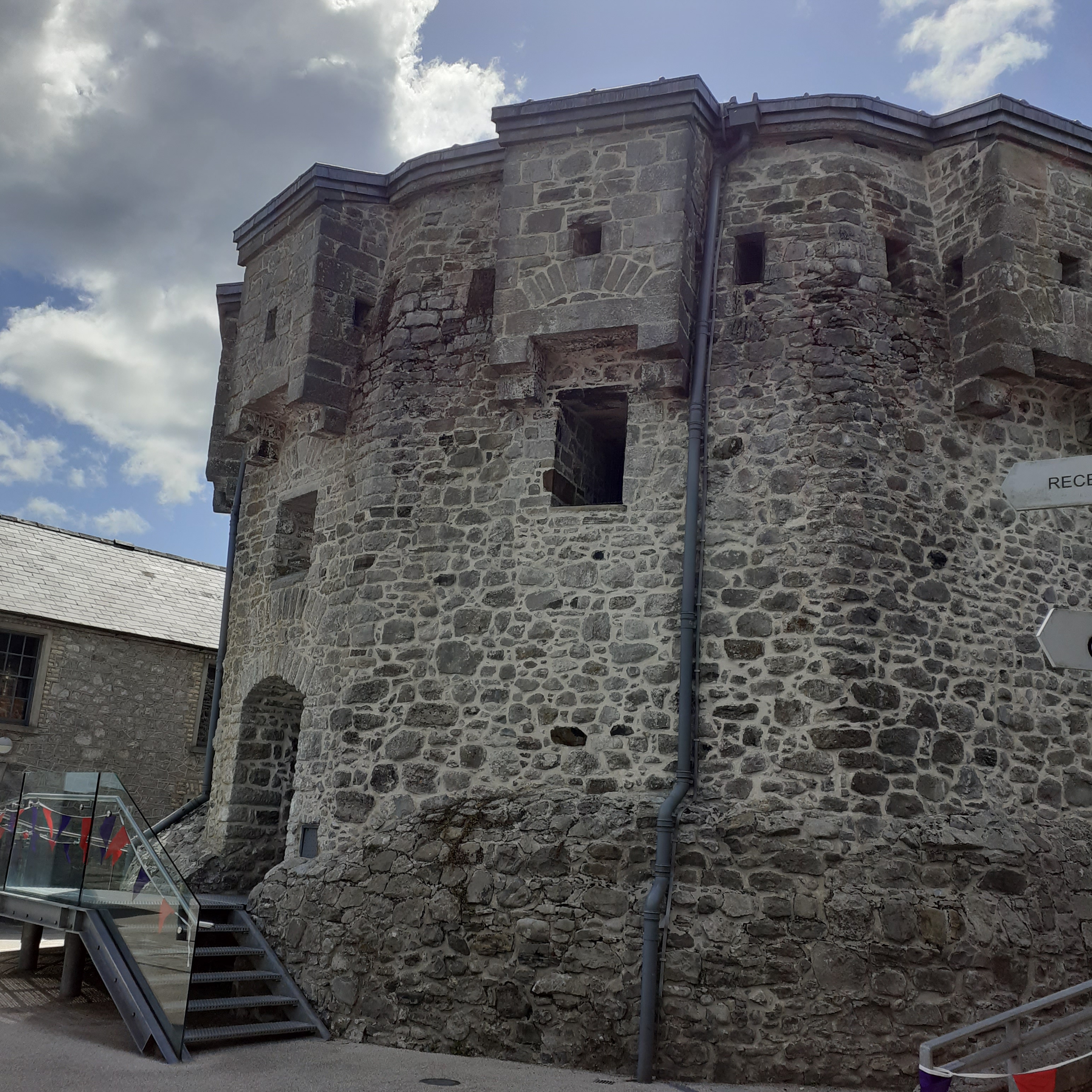
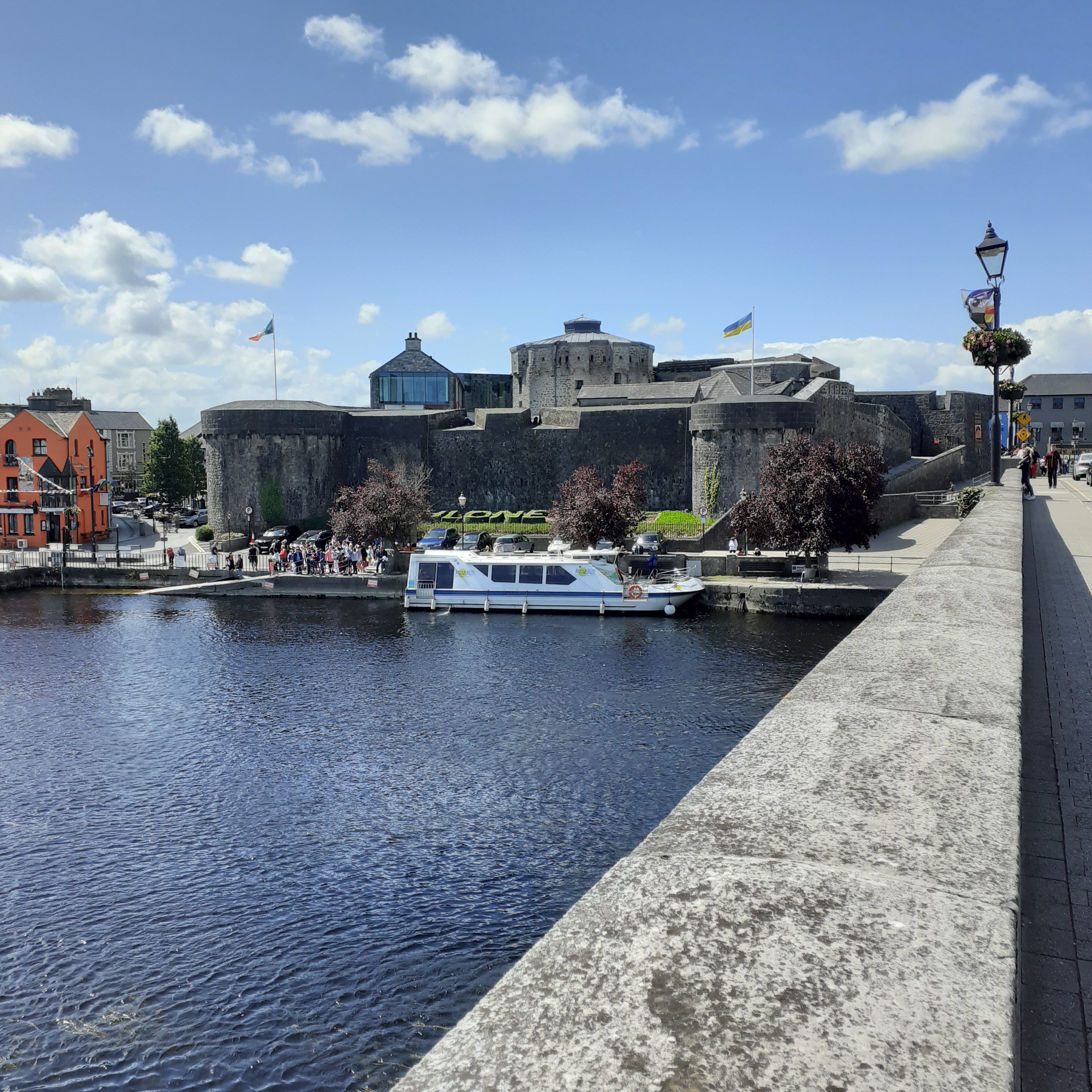
Brian Boru massed his forces here and accepted the submission of the High King, Malachy II in 1001. This was the start of Brian’s push for power, culminating in his defeat of the Danes and their Leinster allies. He was killed in the battle’s aftermath, and his crown returned to Malachy. The first bridge was built in the twelfth century and the King Turlough O’Connor established a fort to defend it. The stone fort followed in 1200 in the reign of King John. The twelve sided Donjon, or central tower, survives. The rest of the current castle dates from a reconstruction following he Siege of Athlone in 1691. Then, Athlone Castle was a Jacobite stronghold defending Connaught against the Williamites. Besieged twice, it repulsed the first onslaught of ten thousand men following the defeat of James at the Battle of the Boyne in 1690, but fell to William and Mary’s army in July 1691. The invaders were under command of Dutch General Godard Ginkel with Jacobite forces under Patrick Sarsfield and French General St Ruth. One of the defenders, killed in defence of the bridge, Sergeant Custume, is commemorated in the naming of the local army barracks.
The castle is well worth a visit, with a museum covering the area’s rich history, including John McCormack, and interactive exhibits and models in period dress. Fabulous views over the river and town from the top of the tower.
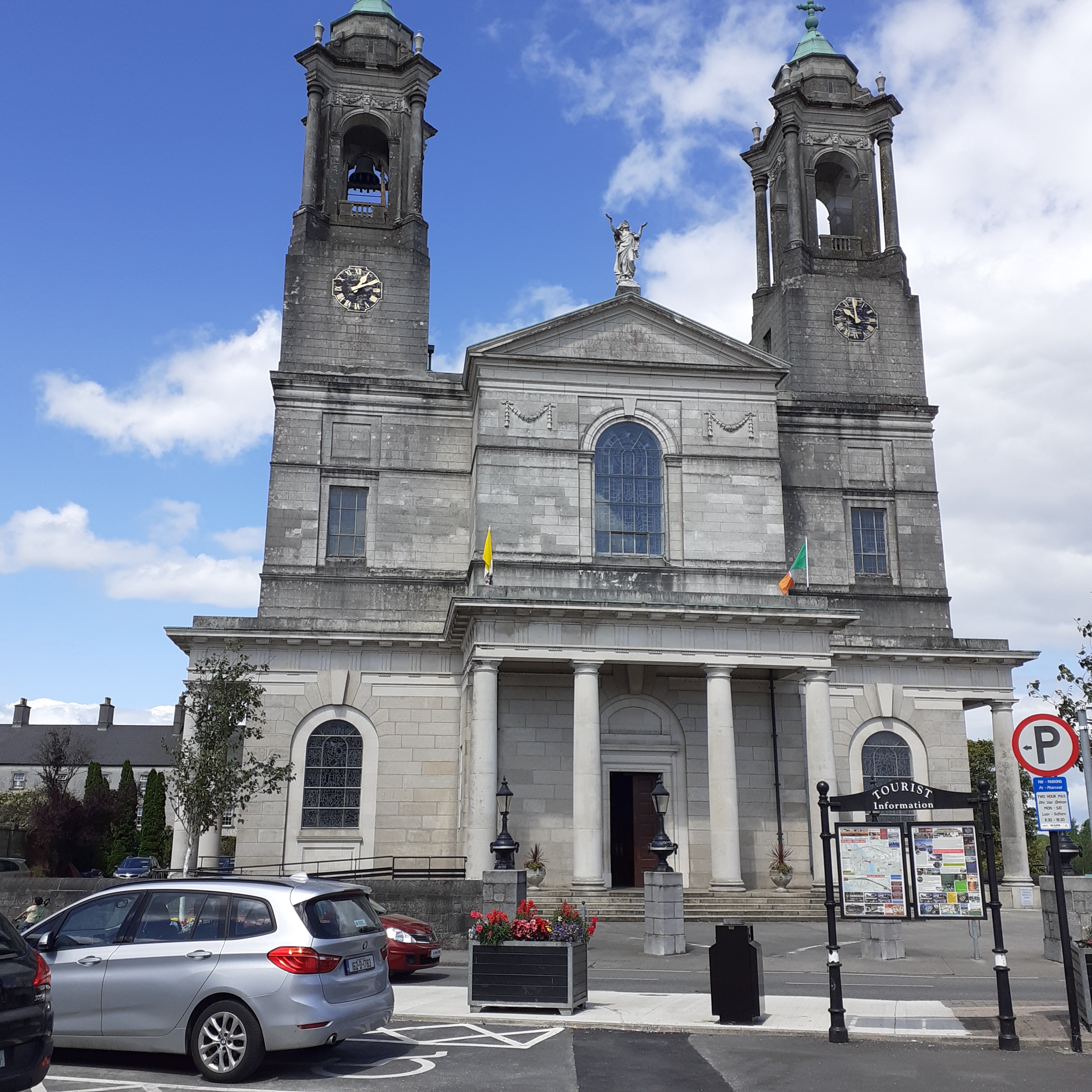
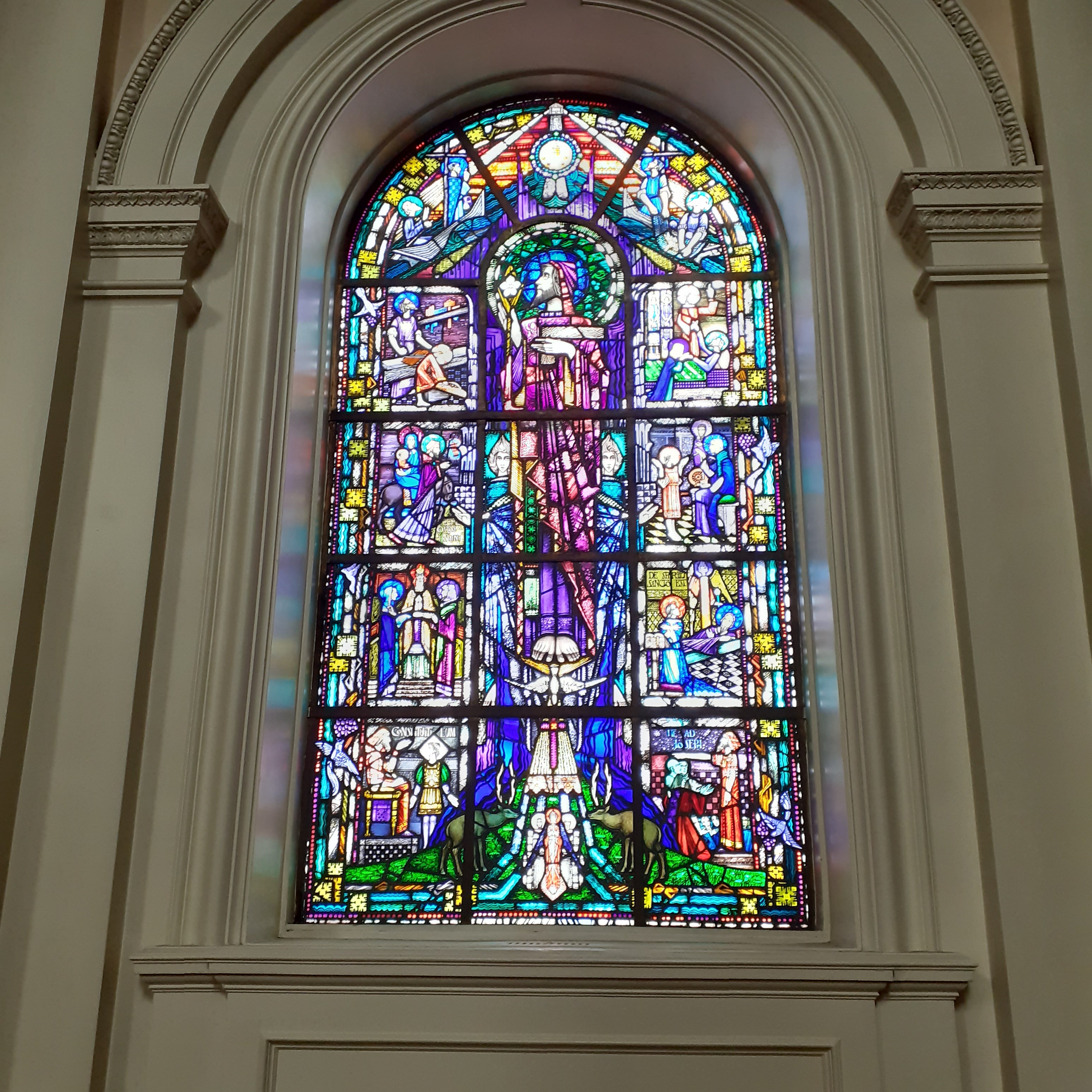
Saints Peter and Paul’s Church is an impressive Athlone landmark on the West bank. Built in the 1930s in the Baroque Revival style by architect Ralph Byrne. The neo classical entrance is framed by twin stepped belltowers and the church is topped with a central copper clad dome. Inside are five stained glass windows from the Harry Clarke studio, made by Richard King after Clarke died in 1931. Adjacent is the Luan Art Gallery, a publicly owned contemporary gallery hugging the western bank of the Shannon below street level.
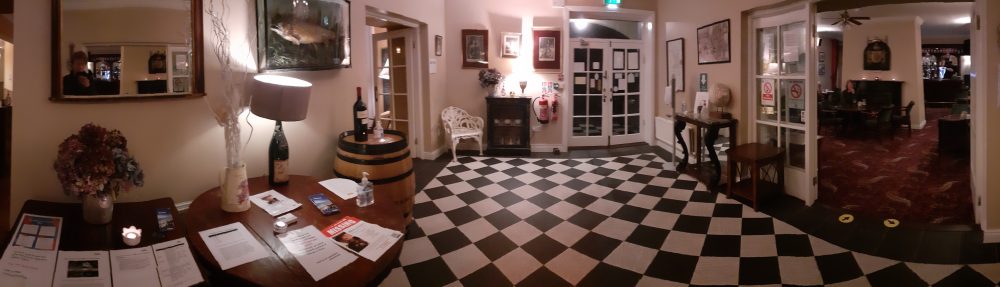
On the other side of the Castle, Sean’s Bar claims to be the oldest pub in Ireland. A 1970s renovation uncovered a wall of wattle and daub from the tenth century. Artefacts found there including coins have been dated back to 900AD. Apparently Brian Boru used to pop in for the odd pint. Mind, the price of the pint has gone up a bit in the meantime, so if you leave any change lying around it won’t lie around for a millennium. The current building dates back three hundred years. It’s a pleasant, cosy old style bar and a popular music venue. The entrance is in the shadow of the Castle and there’s pavement seating in the summer. The bar steps down a few levels towards the back of the premises, where there’s a beer garden which exits onto the quayside.

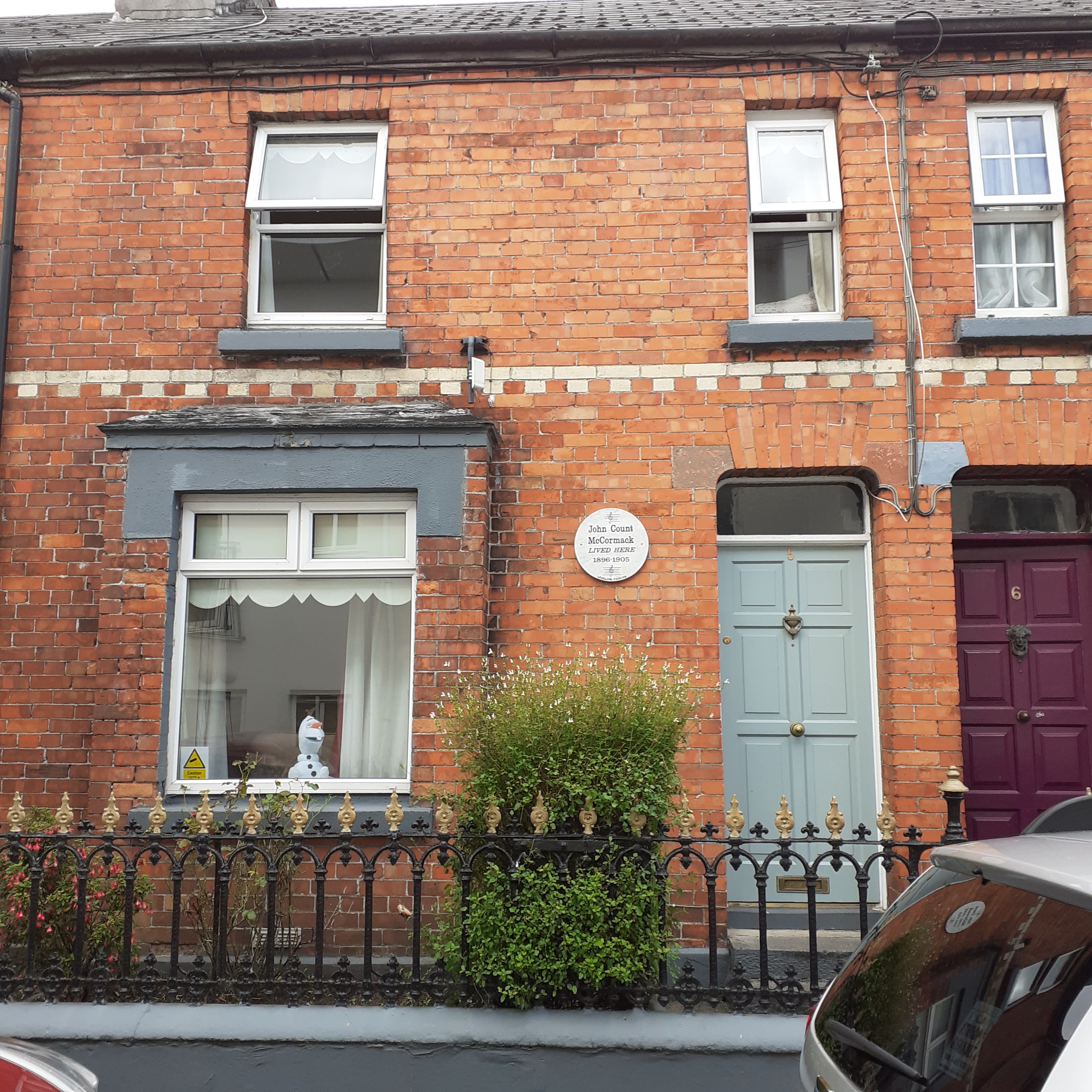
Navigation on the Shannon was facilitated by the building of a canal in the eighteenth century. This was replaced by the current system of a weir and lock gates, south of the bridge in the town centre in the 1840s. The line of the old canal forms the western border of the town, and County Westmeath, but the canal itself is no more. The winding streets of the old town are pleasant to poke around and we came across a fine old house once home to the Count himself. It’s a long way from a tumbledown shack.
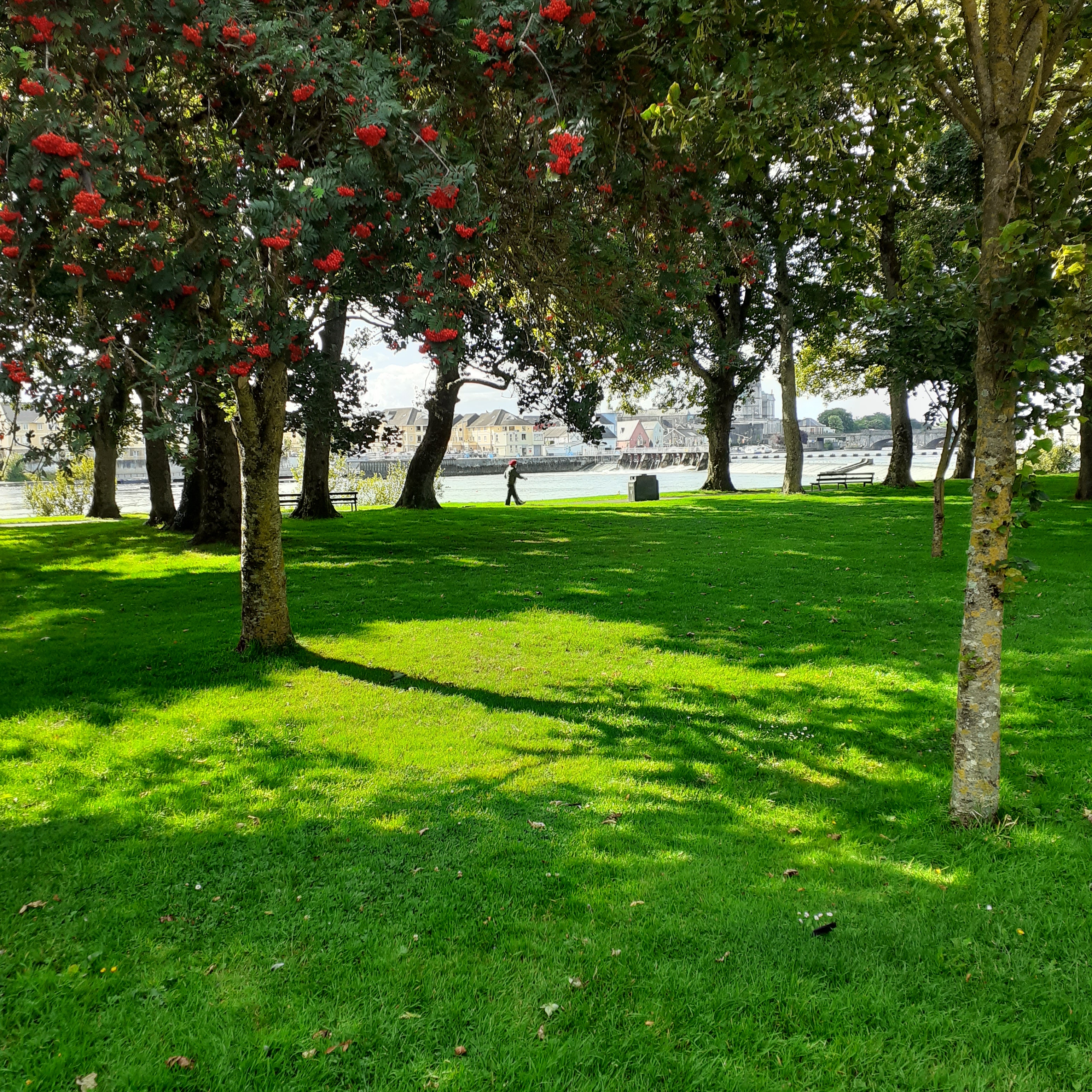
Returning to the East bank, the town’s gearing up for evening rush hour, comparatively speaking. We make our way out to the Golden Island Shopping Centre which opened in 1997. Nearby, Burgess Park beckons with woodland, walking trails, a playground and memorial garden. Sloping down to the Shannon, it is the ideal urban oasis. Sitting there in the early evening sunshine as people promenaded and relaxed, I was put in mind of Seurat’s great painting the Isle de la Grande Jatte. It just shows, that through the ages and across longitudes, people maintain a continuity, enjoying the pleasure of harmony amongst trees and flowing rivers, in the company of themselves or others.
Time to get the train back to Heuston. As a three hour round trip, the railway trip gives you time for a full day in Athlone. There are plenty of hotels too, and I must stay over sometime. Later in the year I plan to go all the way to the end of the line: Galway. Wow, I feel a song coming on.
Maybe somewhere down the road aways (end of the line)
You’ll think of me, wonder where I am these days (end of the line)
Maybe somewhere down the road when somebody plays (end of the line)
Purple Haze
This song radiates sunshine and love, and time. Most of the ingredients you need. End of the Line was written by George Harrison, and included on the Travelling Wilburys’ eponymous debut album in 1988.
Well, it’s alright (alright), riding around on the breeze
Well, it’s alright (alright), if you live the life you please
Well, it’s alright, even if the sun don’t shine
Well, it’s alright (alright), we’re going to the end of the line




 xxharrison