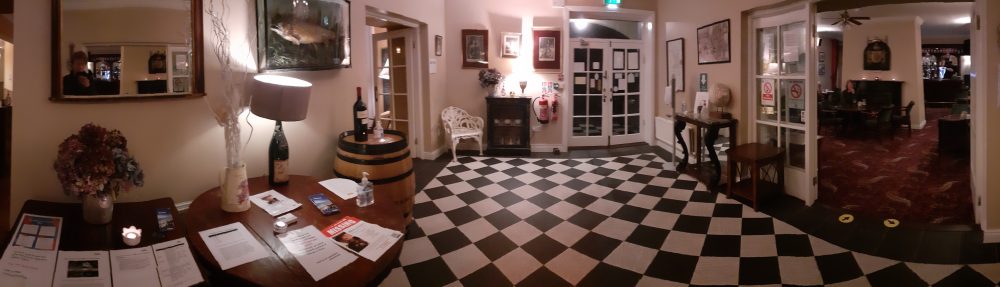
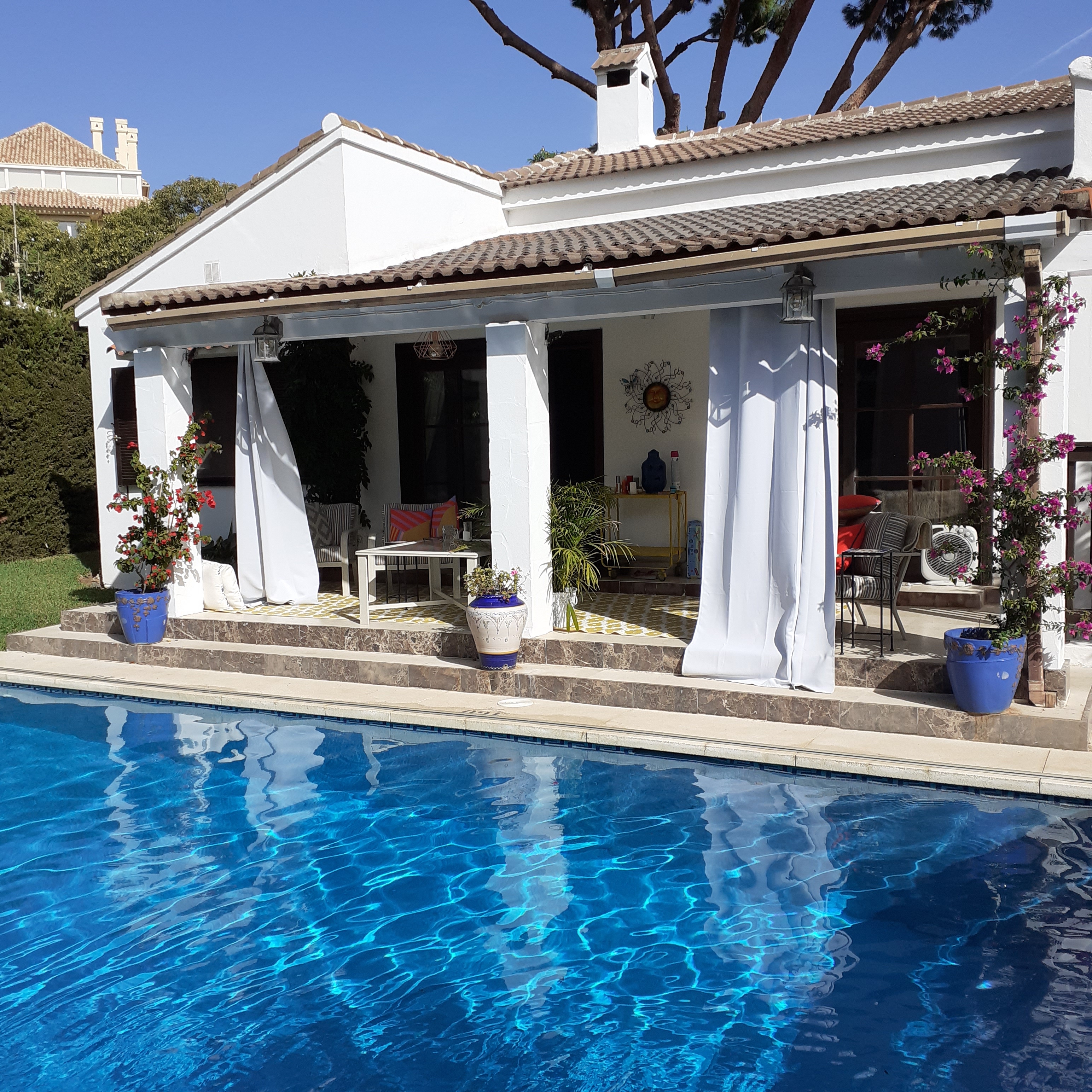
At times we stay in the villa of a friend on the outskirts of Marbella. It is just a short drive from Malaga airport, all going well. The use of satnav is recommended on Spanish roads, otherwise you, like us, will get lost. It looked the height of simplicity to get from airport to front porch, but born as I was to have adventure, it took me over two hours. The A7 highway was my intended route, not to be confused with the AP 7 which runs beside it, the two often intertwining. Confuse is exactly what I did, but first I took the random decision on our first visit to make a quick flythrough of the famous, or infamous, resorts on the southern extremes of Malaga.

The Costa del Sol is well named and stretches from Nerja, just east of Malaga, to La Linea near Gibraltar. A prosperous commercial and industrial area in the 19th century, it declined in the early twentieth and after World War 2 turned to attracting visitors as a way to halt the economic decline. Where the coast was once a string of fishing villages, it is now mostly urbanised and has grown to be Spain’s most frequented tourist location with around seventeen million overnight stay.
Torremolinos golf course marked the beginning of the boom way back in 1928, The development of Malaga as resort town followed. The Spanish Civil War intervened, with World War two kicking off just as it ended, but by the fifties the fame of the region spread for its climate and facilities. Marbella, a village of 900 people, saw the establishment of the El Rodeo resort and Marbella Club hotel, and attracted film stars and the rich and famous. Mass tourism exploded in the sixties and seventies leading to overdevelopment, often submerginfg the culture which was a major part of the attraction in the first place.
Torremolinos, Benalmadena and Fuengerola are packed together. once a poor fishing village, is now a town of seventy thousand people just 8miles from Malaga. It has the largest concentration of golf courses in Spain. Fore! I am sure there are more. The climate makes this one of the most enjoyable places to play, if Golf could be considered a pleasure, or a good walk spoiled.
The resorts were developed without much concern for aesthetic or social planning and became a notorious highrise jungle. While the serious tourist demurred, many more voted with their boarding pass. A cocktail of sun, sea and sex with two weeks determined indolence offered an antidote to the humdrum of work slaves from the temperate zone.
The urban landscape ultimately reflects its own purpose; a modern, commercial open holiday camp. Which is fine if you like that sort of thing. M and I were more of the island hopping hippy type, back in the day; though our once ad hoc holiday season is a bit more planned now. Spain, of course, accommodates much more than the cartoon holidaymaker. We’ve oft visited over the years, mostly Barcelona, also Madrid and Malaga, and the kaleidoscope of culture and moods that is Andalusia.
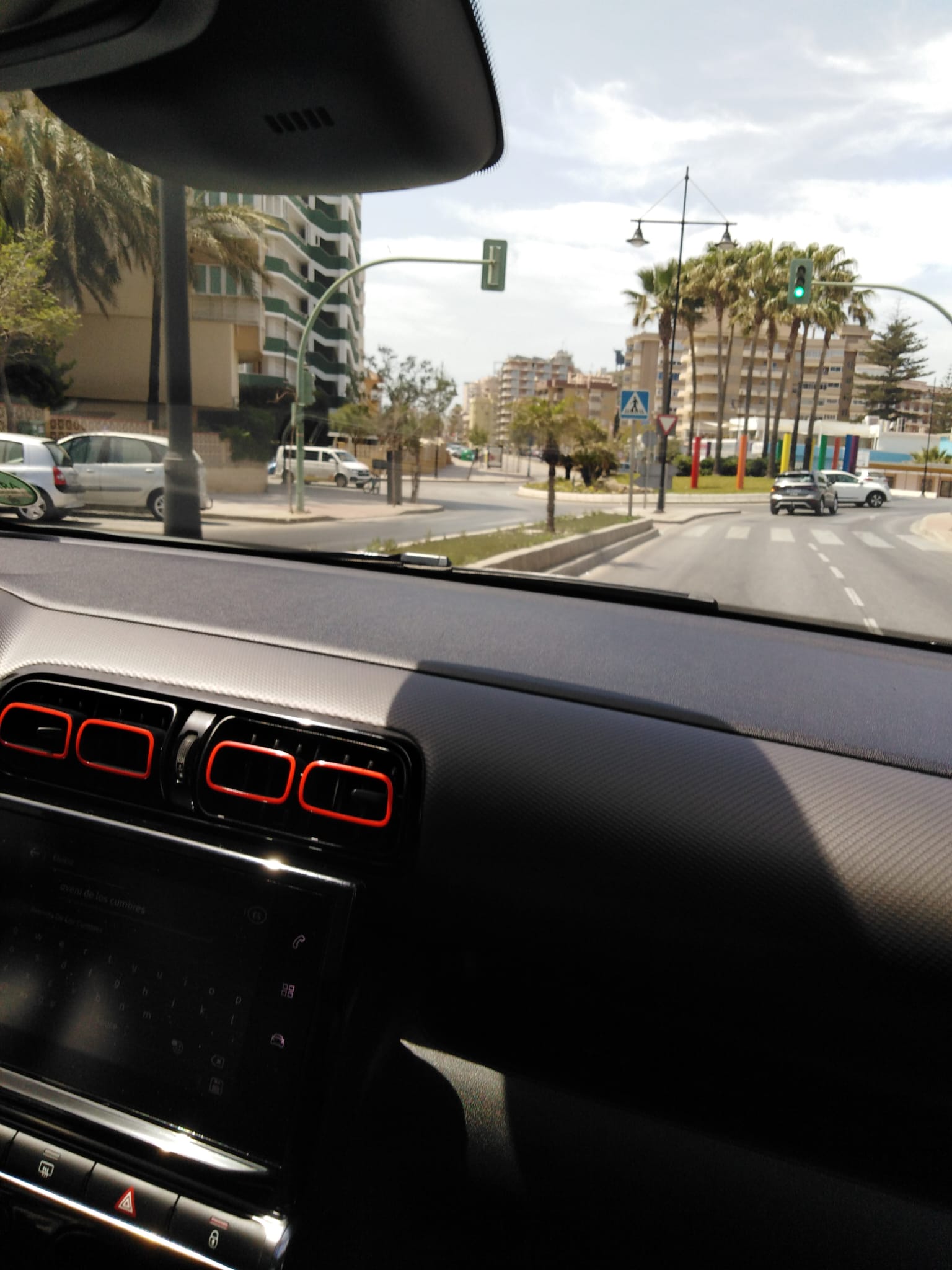
Driving through the tourist hub from Torremolinos to Fuengerola is a sample of the sun soaked brochures we’ve perused. We gained a startling glimpse of the giant black Bull on its mound, which adorns my travel book of Spain. This is the famous advertisement for Osborne Brandy. The concept was conceived by Manolo Prieto in an advertising campaign in the 1950s for Osborne. The giant metal bull silhouette bore the Osborne brand and appeared at roadsides throughout the country. Some are 40 feet high and there are almost a hundred all over Spain, though not in Catalonia.
Roadside advertising was progressively curtailed over the next few decades and eventually banned altogether, but campaigners fought to keep their bull. In Andalusia, the authorities ruled that they were part of the cultural and artistic heritage of the nation in 1997 and remained, minus the branding, though Osborne still pays for their upkeep. Some controversy remains, especially amongst opponents of bullfighting; hence the exception of Catalonia.
Osborne, you might know, goes hand in hand with Harrison, so it was a sight dear to our eyes to see the bull standing proud. Thomas Osborne, mind, had no direct connection with our kin. They came to Wicklow in the seventeenth century I think, and were stonemasons. Thomas was an Englishman who arrived in Cadiz in 1772 and exported sherry to begin with The brandy came some time later.
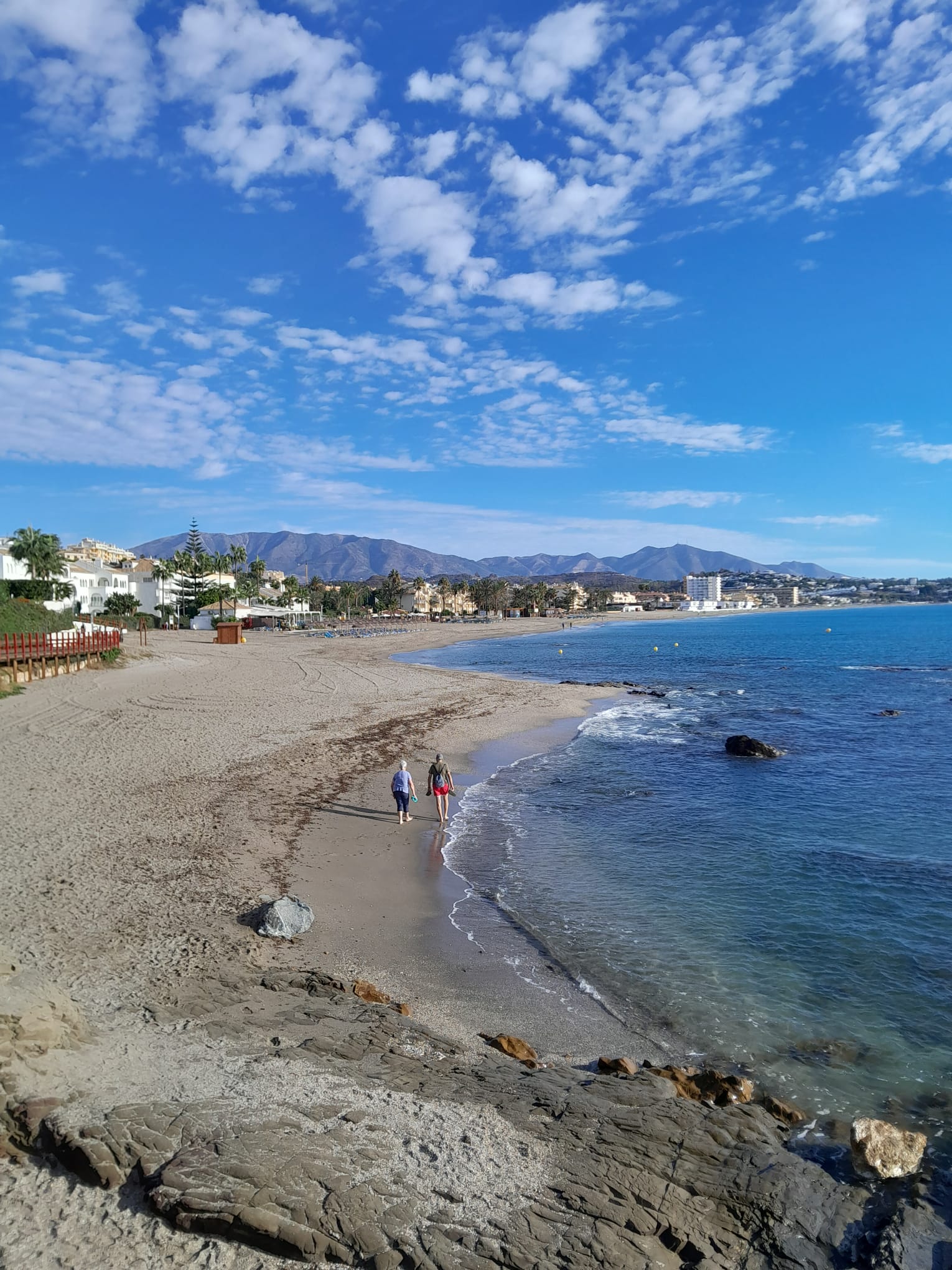
We figured that after Fuengirola we would be nearing our destination. Unfortunately, coming off the seafont there was a fork in the road and the sign offered Marbella in either direction. Eenie, meenie, minie, mo. Wrong choice, I’m afraid. We found ourseves headed back towards Malaga, then taking an exit, we wound up on the AP 7, which is a toll road, and ended up in Canada. Canada, in this case is a shopping centre in Haute Marbella. The town centre was downhill from there but by this stage our satnav was even more confused than us and would stop at nothing to get us back to Canada again. Eventually we found the coastal branch of the A7 after a chaotic tour of Marbella centre, including rapidly reversing before an oncoming tram. Our destination, Elviria, was just five miles out of town.
Fuengirola is in fact the last rail stop along this stretch of coast. The commuter line to Malaga has three trains an hour, the journey taking forty five minutes. It stops at the airport which takes thirty minutes. From Malaga, there’s a railway connection to Algeciras (past Gibraltar) via Ronda, and connections also to Seville and on to Cadiz.
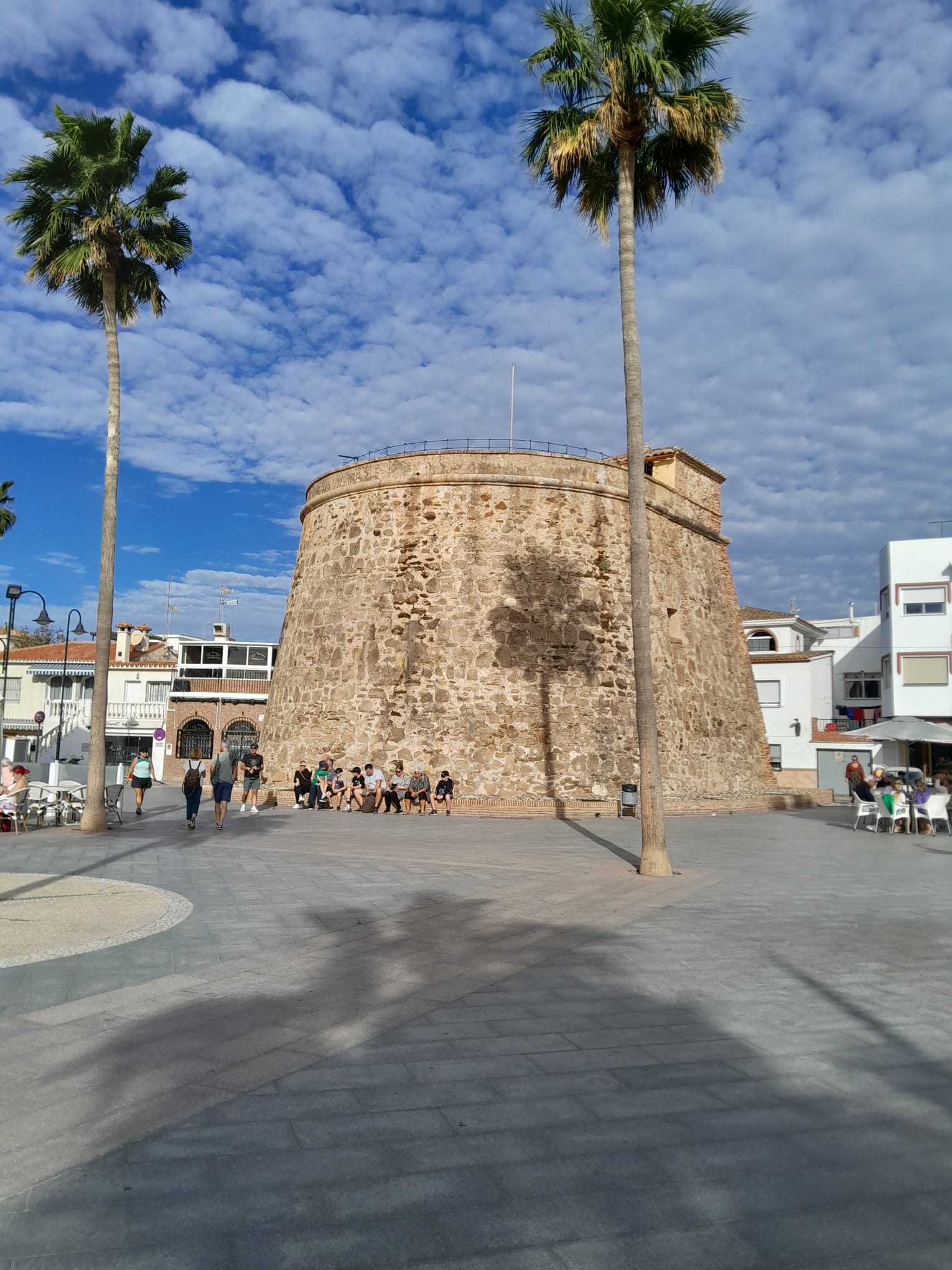
The coastal highway, meanwhile, leaves Malaga city environs behind and rounds the corner to follow the coastline to Marbella. La Cala de Mijas is the first stop. This is a small settlement of five thousand people which maintains much of the feeling of the whitewashed Andalusian fishing village. There were four towers defending it from Berber invaders, one of which forms the centrepiece of its attractive seafront. Dating from the sixteenth century it is one of the oldest on the coast and has a museum within. There are sensitive modern developments along the coast, lowrise and white, a tiny, winding old town, a wide commercial plaza just off the highway, a long promenade and a twice weekly market.
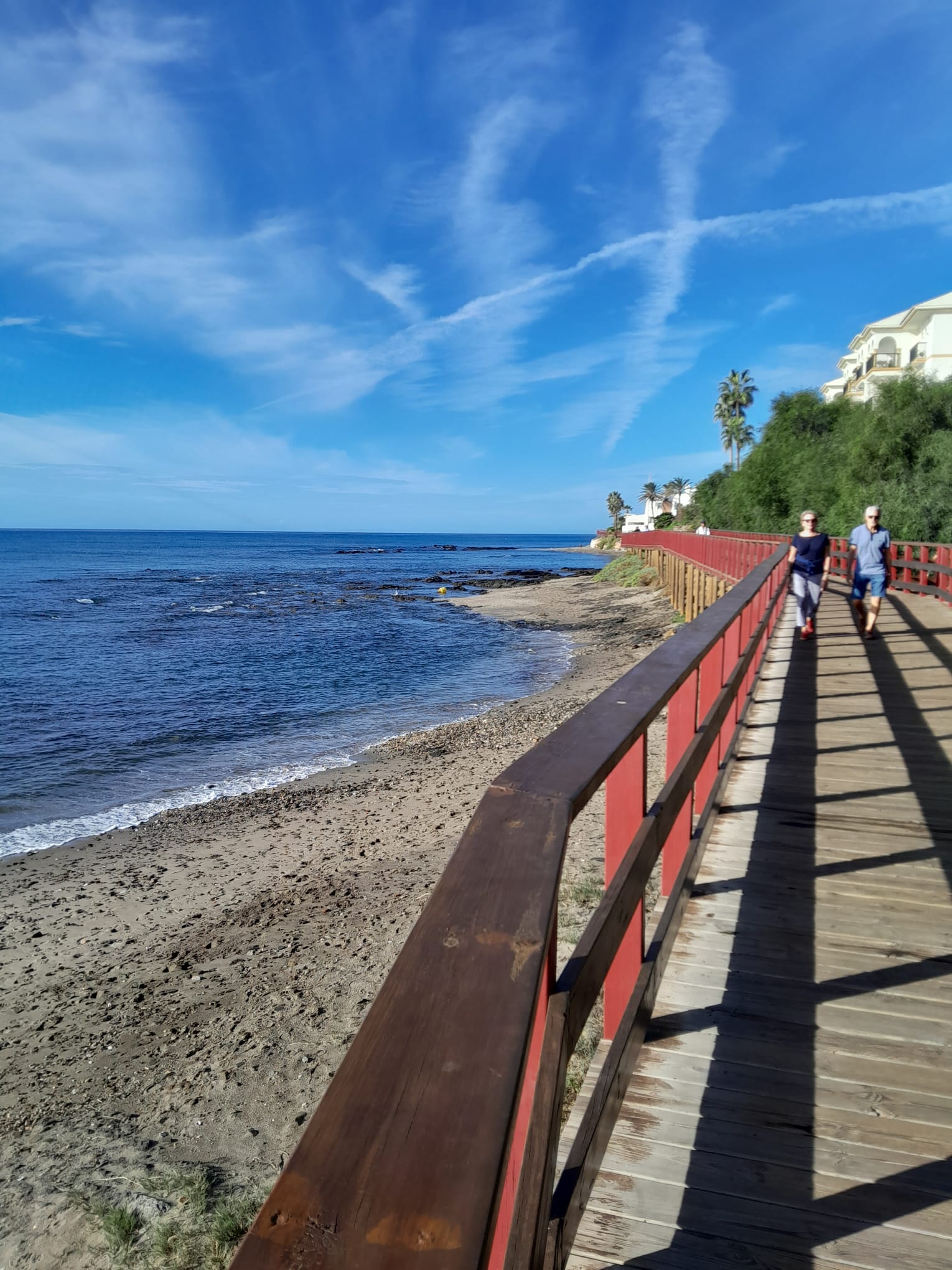
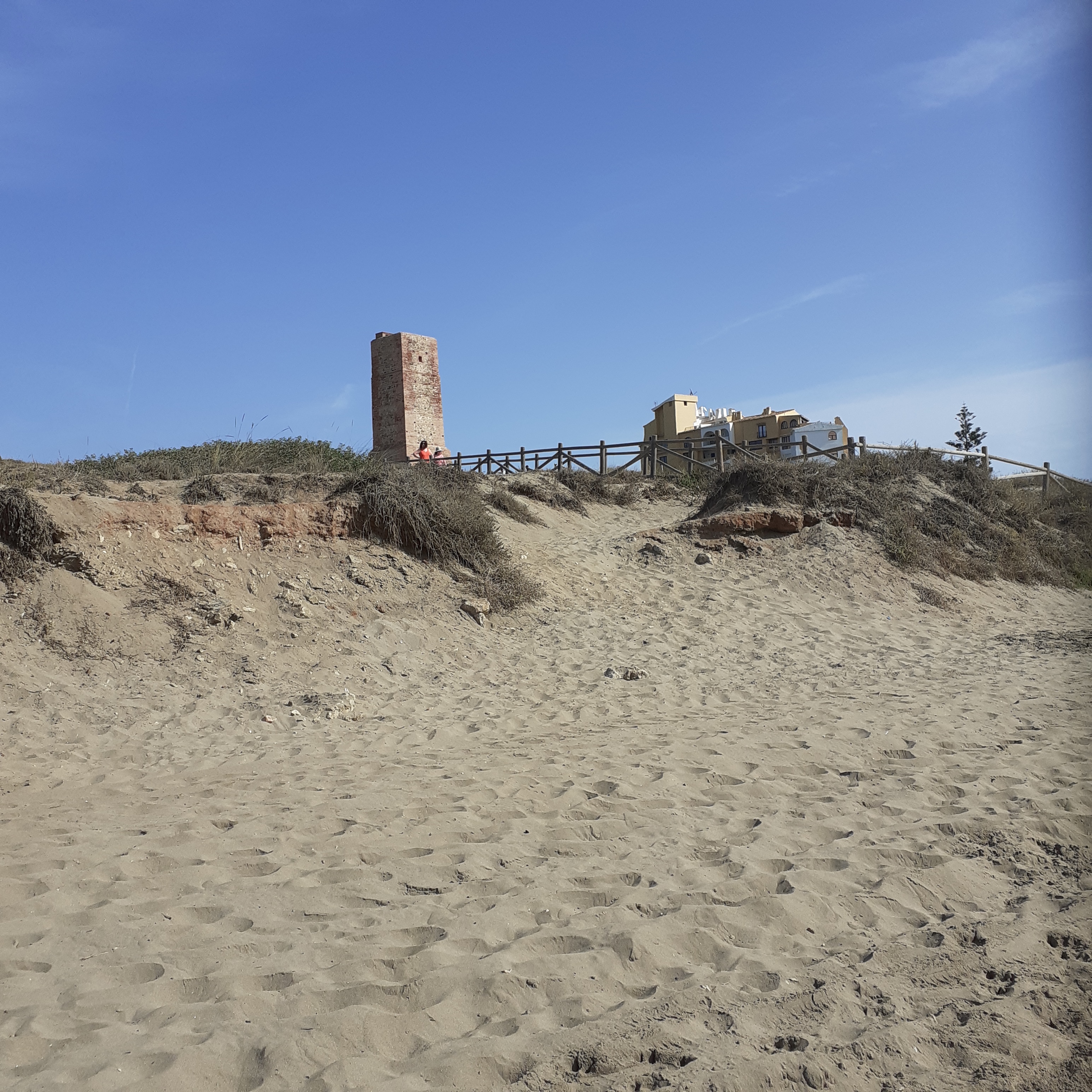
A boardwalk extends along the beach heading west stretching almost the 6 kilometres to Cabopino. This is a small resort around a pleasant harbour where we stopped for lunch on a coastal walk. There’s a large private resort hotel, while bars, souvenir stalls and eateries colonise the beach. Farther on the nudist beach is marked by a large stone erection, but we pretended not to notice. Torre Ladrones, the thieves tower, is a much visited landmark. At fifteen metres tall it is the highest tower along this stretch of coast. It was built during Moorish rule up to the late fifteenth century. Artola Beach is backed by dunes which have been designated an environmental reserve, making it a rare stretch of beach not developed as accommodation.
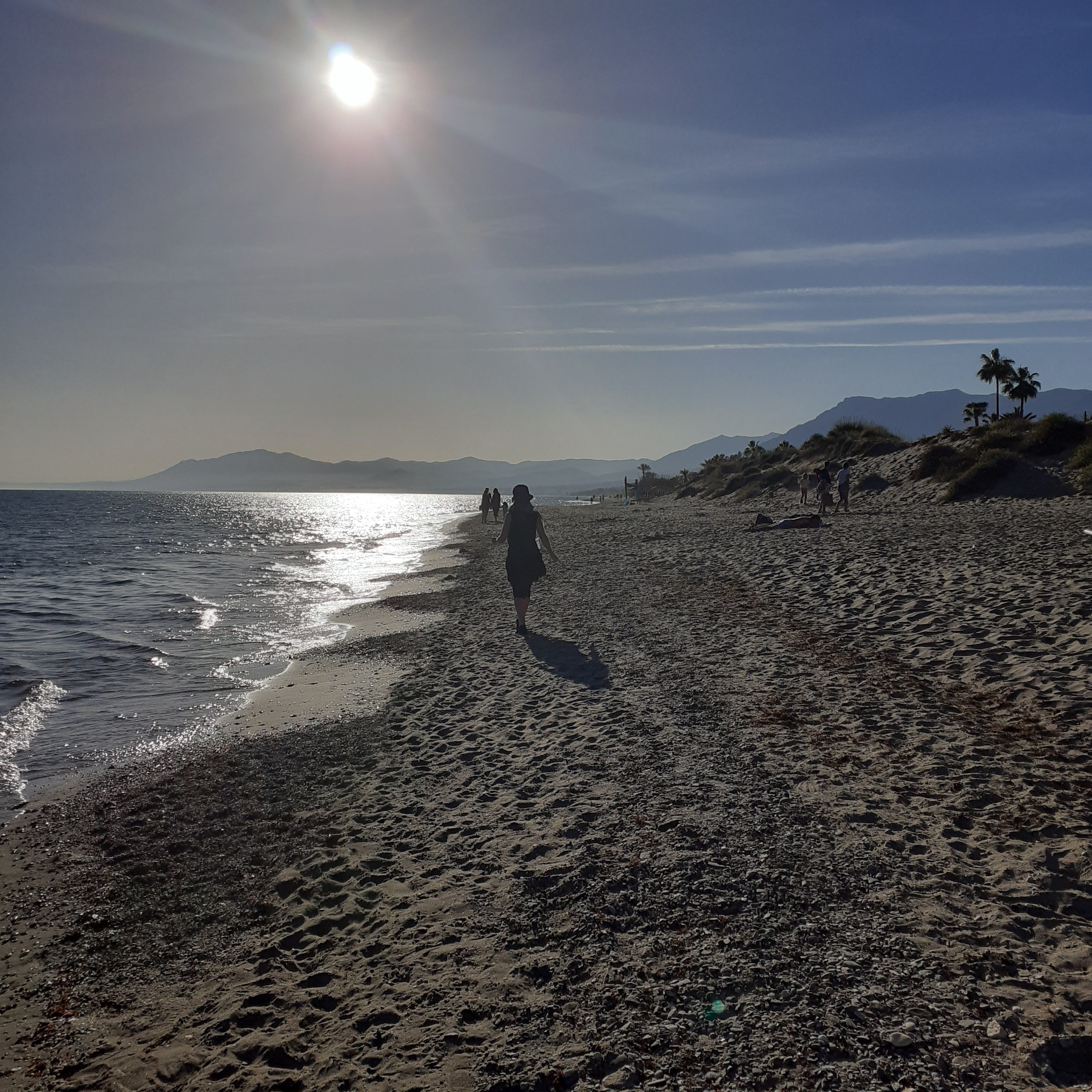
It is a farther six kilometres to our own base in Elviria. There are plenty of good beach bars and eateries along here, and a lovely view of the curving coast down to Marbella; backed by high mountains, Gibraltar shimmering off the coast in the far distance.
So, it’s time to step off the humdrum, relax and enjoy our cocktail by the pool. One theme song suggests itself. Massiel singing El Amor. Though it’s hardly relaxing, what with the veins on her forehead snapping like high tension wires in a gale as she reaches, um, crescendo. It chimes with the mood, though.
El amor es un rayo de luz indirecta
Una gota de paz, una fe que despierta
Un zumbido en el aire, un punto en la niebla
Un perfil, una sombra, una pausa, una espera
El amor es un suave, rumor que se acerca
Un timbre a lo lejos, una brisa ligera
Una voz en la calma, un aroma de menta
Un después, un quizá, una vez, una meta
Massiel, Maris de los Angeles Santamaria Espinosa, is a well known Spanish singer. She covers a broad range in her repertoire, from popular to Brecht/Weil, and protest songs which annoyed Franco and Pinochet. She sang the winning song for Spain, La La La in Eurovision 1968, after the original singer Joan Serrat withdrew when not allowed to sing in Catalan. Congratulations!
 xxharrison