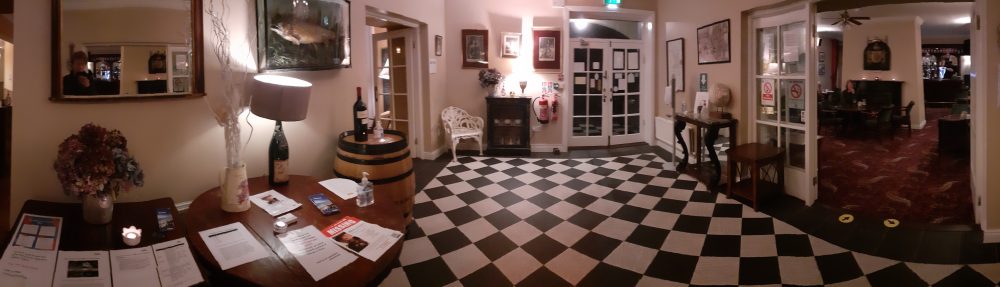
From Spencer Dock to the Five Lamps.
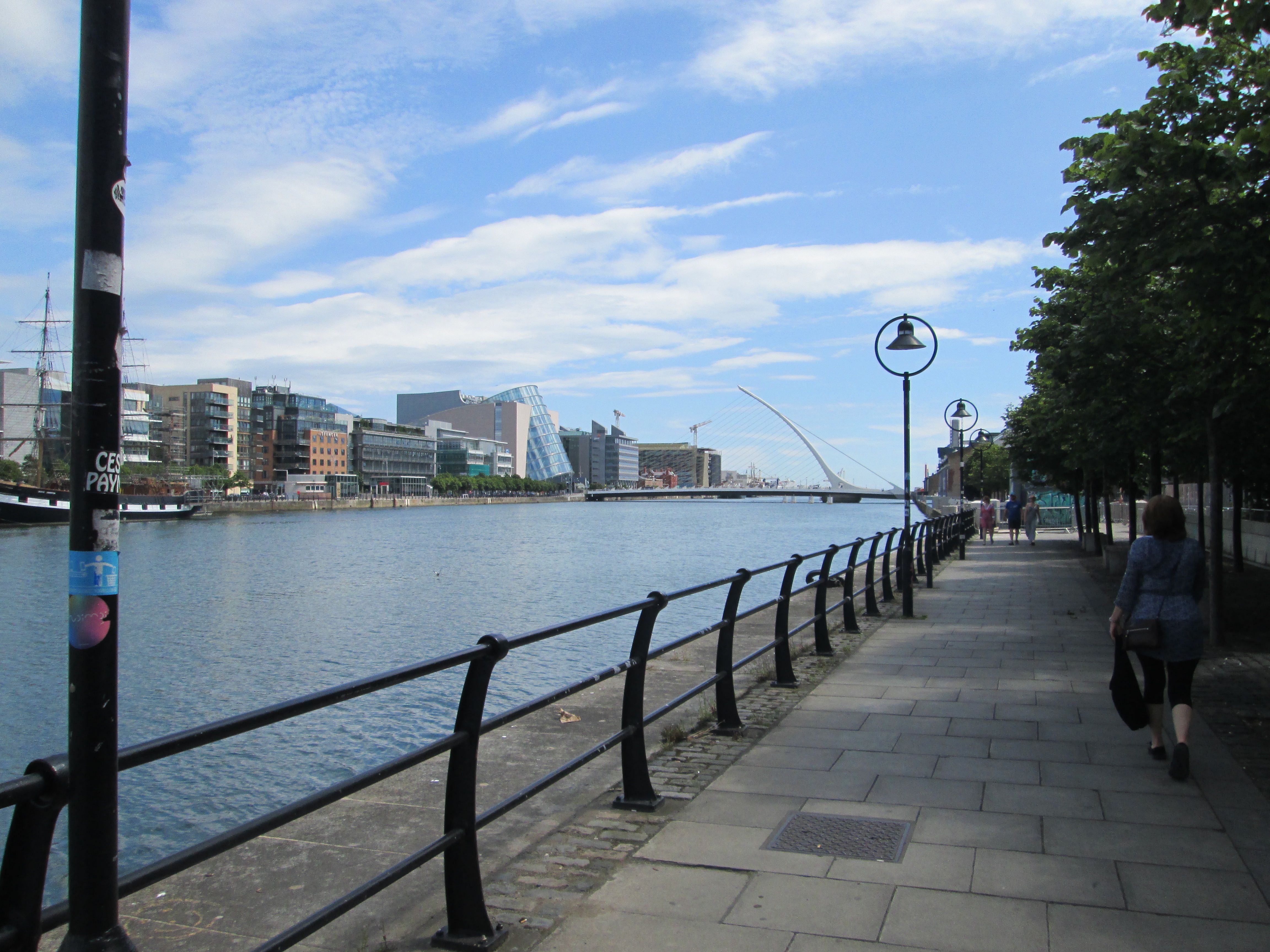
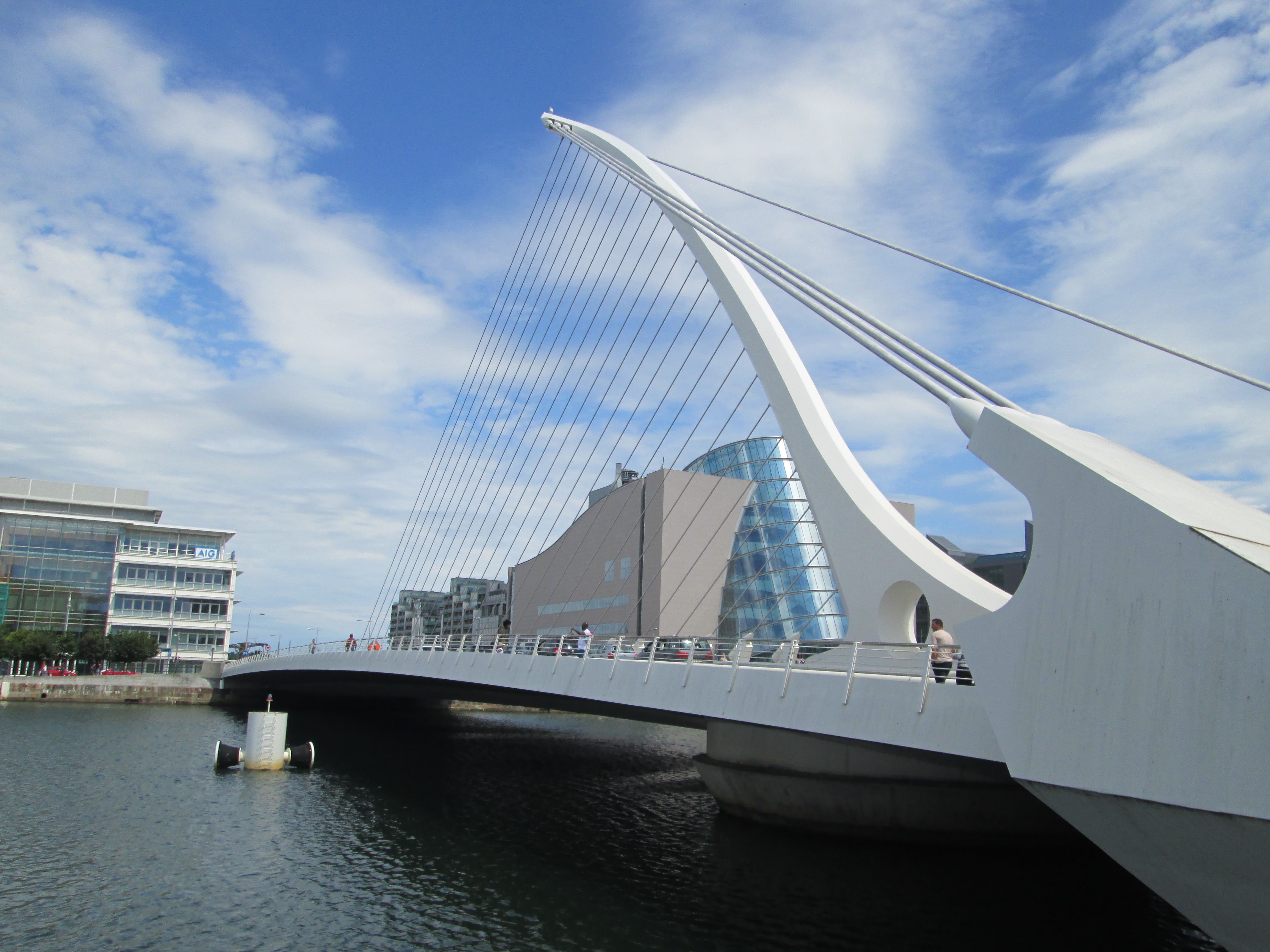
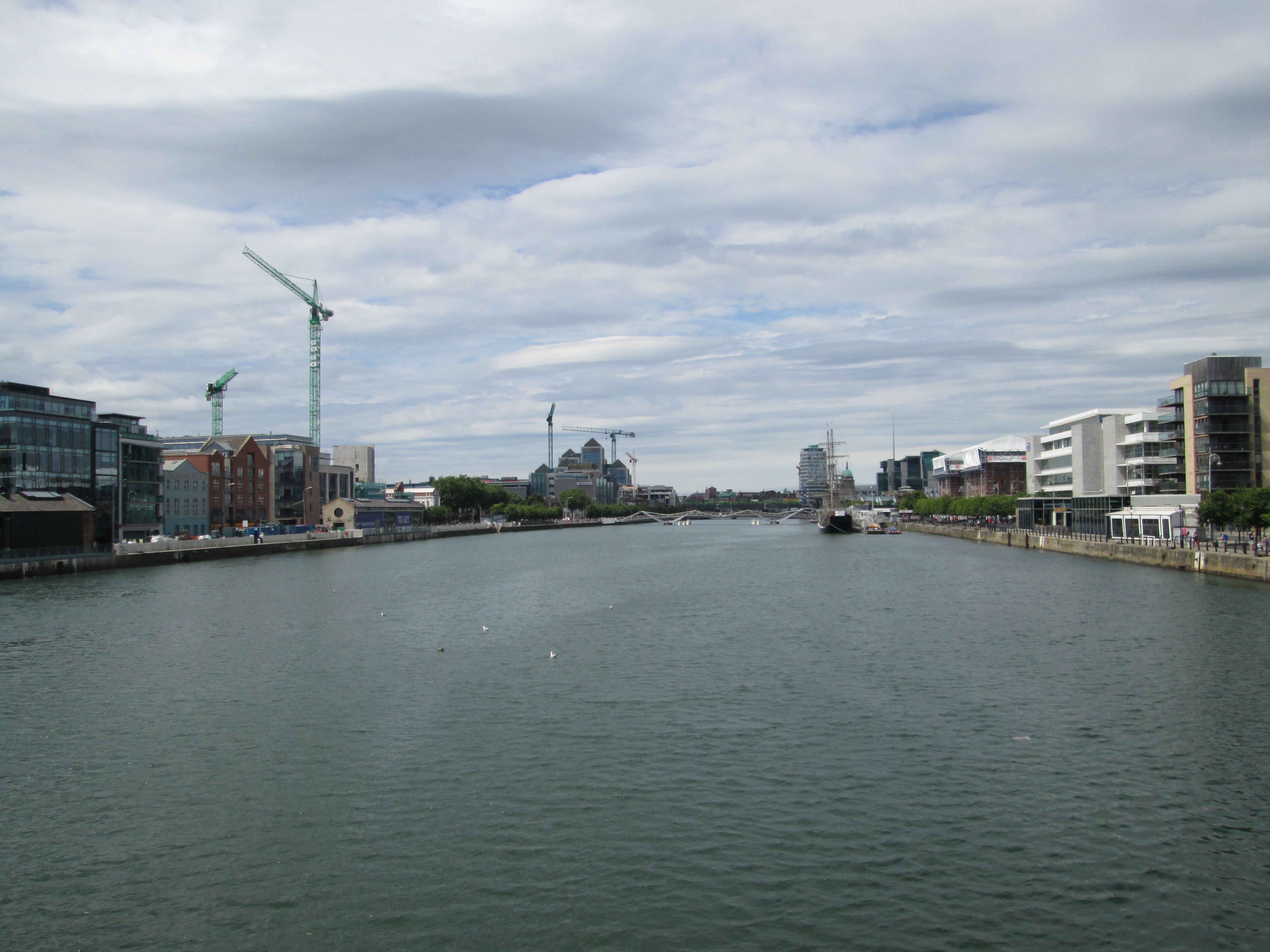
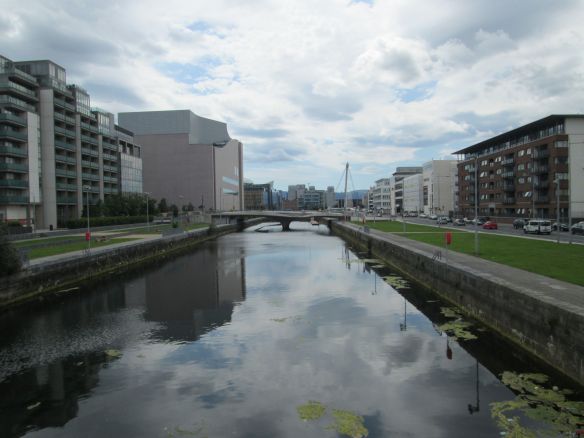 Heading north on Guild Street, the Royal Canal to our right seeps towards the Liffey. A new city, linear and rational is being stamped over the old North Wall docklands. That’s the feeling crossing Mayor Street where the Luas Red Line takes passengers arrow straight from Connolly Station to the Point Village. The Point Depot at the eastern end of the Docks is the major venue for indoor concerts. I saw Bob Dylan there some years back. A man with a hat playing piano. I could have spent the evening out in the real world, where the Liffey melts into the sea. I could have sat contentedly and watched the river flow, the memory of Bob’s music stronger in my blood.
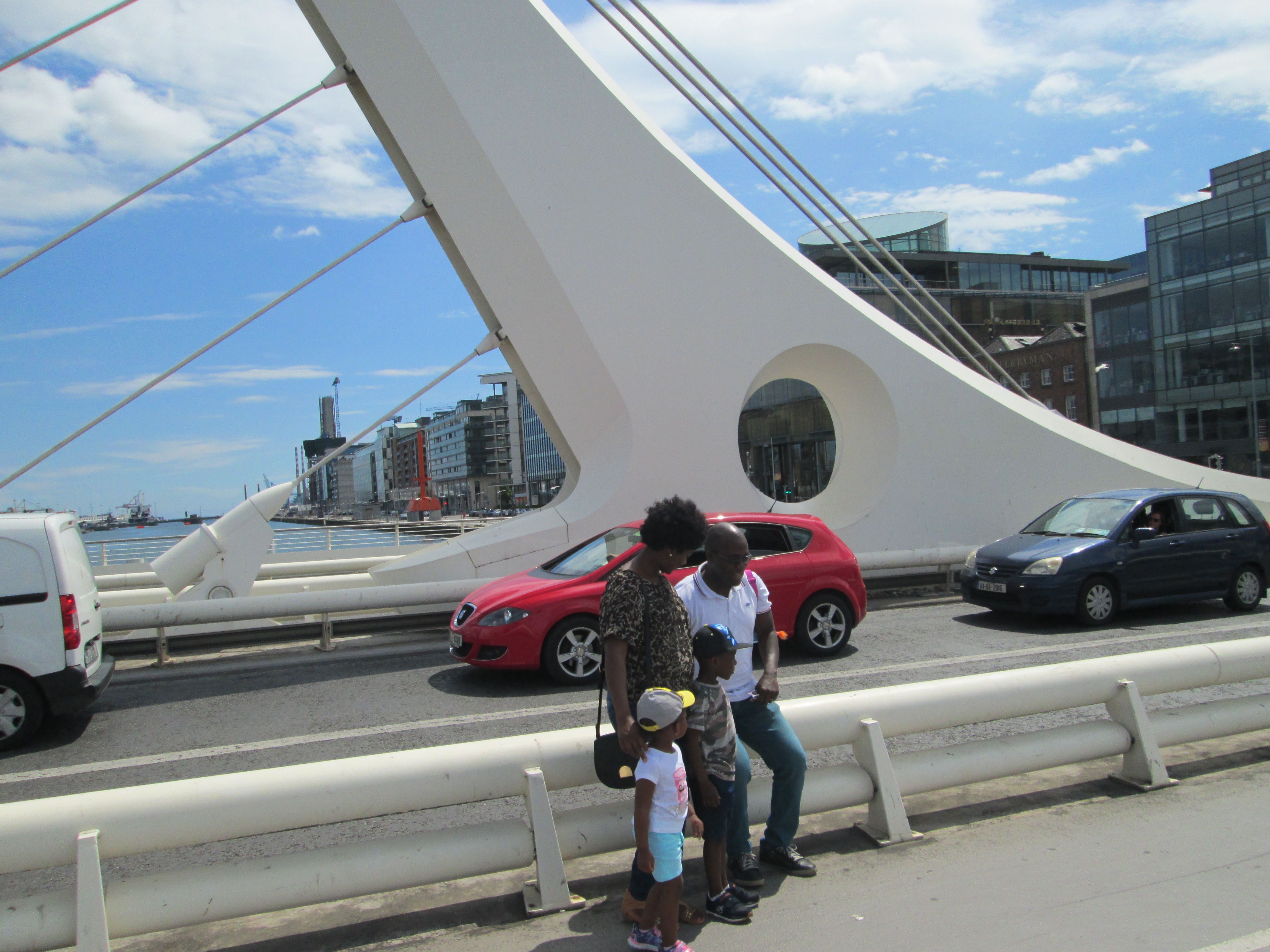
 At Ferryman’s Crossing, a rusty reminder of the old days rises in the form of a decrepit crane. The old docklands peep through, first the palimpsest, then the ancient script itself. It’s still being written. Often the same old story. Sheriff Street runs parallel to the quays but remains remote from the modern narrative there. The area has a rough inner city reputation.
 The Church of St. Laurence O’Toole marks the start of Seville Place. It was built in the Famine years and opened in 1850. Along Seville Place, the grandly named First to Fourth Avenues suggest New York. In fact, these are short, cottage lined cul de sacs. Under the railway bridge we reach Amiens Street.
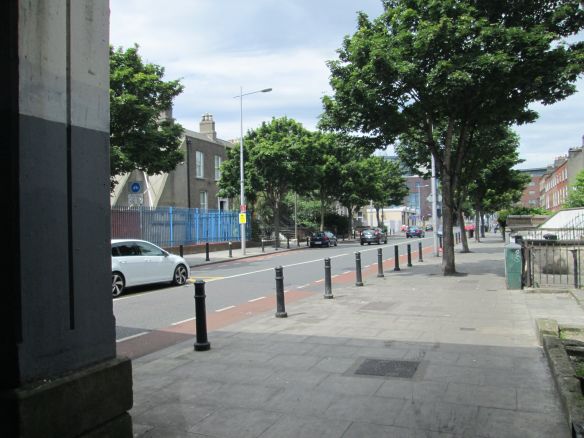 This street provides Dublin’s main transport and communications hubs. Connolly Station, topped by an ornate Italianate tower was opened in 1944 as Dublin station, later named Amiens Street. By 1853 it served the rail link to Belfast. Madigan’s Pub, on the main concourse, was a Mecca for thirsty travelers on long, dry, Good Friday. It is the most central of all bonafide pubs. You would need a train ticket to deserve a pint, of course; a small price to pay. Such quaint customs are now consigned to the slop tray of history, as Ireland’s Good Friday prohibition has been lifted.
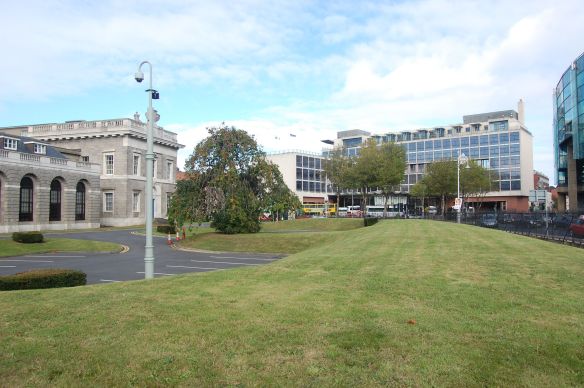 A little further off track, Bus Aras, nearer the river, was an early modernist pile. Designed by Michael Scott and completed in 1955, from here you can take a bus to anywhere in Ireland, or all the way to London. Bus Aras and Connolly combine to form a startling urban portal, full of the contrasts of history and architecture. At just the right spot, the panorama includes Victorian Connolly Station, Georgian Custom House, the International Financial Services Centre and the Ulster Bank HQ across the river.
The area is rich in memories from when I worked in Sheriff Street Sorting Office beside Connolly back in the day. This is Ireland’s main sorting office with a constant flow of post by day and by night. Working shift meant being on the Gravy train, one week in three doing all-nighters. Maintenance involved clearing blockages on the various belts and chutes forming the working innards of the building. A blockage was often a good excuse for shop floor workers to decamp to a nearby early opener for a pint. So, having cleared the blockage I’d have to hike off to the North Star or Grainger’s and clear the bar. Later, at dawn, a smoke break on the roof gave a view across the waking city to the mountains beyond.
… back then when everything seemed possible, even there in the Sorting Office, in the bowels of that clanking beast, amongst the trolls and elves of the workaday world. We’d climb onto the high gantry and up the fixed ladder to the roof, Alex, the Bishop and I. We were kings of the world up there, with Dublin spread out beneath us, above us only a rippling sky. (from Kings on the Roof by Shane Harrison)
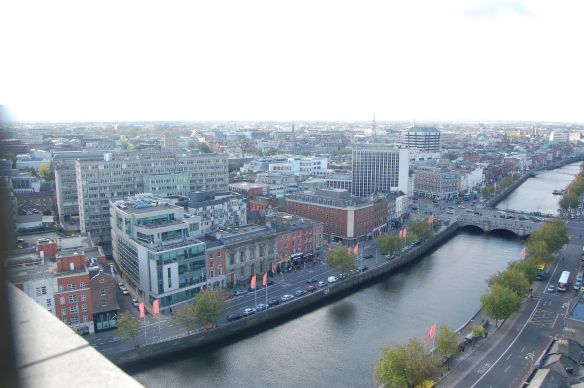 At more civilised hours we could repair to Cleary’s pub, beneath the bridge, shuddering under the weight of passing trains. Old style boozer of dark wood, sparse light on glinting glasses being raised at the long bar. One more toast before boarding the Gravy Train. Last wet my whistle here with Davin, on our way with to the Red Hot Chilli Peppers at Croke Park farther north.
Monto, bordered by Amiens Street and Talbot Street, was the name of the area in Victorian days. This was Dublin’s red light district until cleaned up by the authorities after Irish Independence. In James Joyce’s novel Ulysses, the area appears as Nighttown, where Leopold Bloom and Stephen Dedalus visit a brothel. Joyce has a nearby street names after him. You can hear his ghost whistle there, maybe catch his silhouette, some foggy night.
The area lives on in song and ribaldry. George Hodnett imagined it for us in his song Monto, immortalised by the Dubliners. The first line name-checks Ringsend, south east in the saltier part of Dublin 4.
If you’ve got a wing-o, take her up to Ring-o
Where the waxies sing-o, All the day.
If you’ve had your fill of porter, and you can’t go any further
Give your man the order: Back to the quays!
And take her up to Monto, Monto, Monto,
Take her up to Monto, langer-oo! To you!
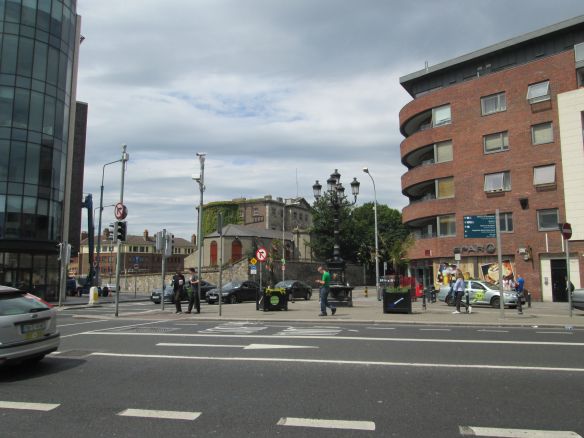 At the junction of Seville Place and Amiens Street, we’re back on track. Heading North by Northwest is Portland Row, leading to the North Circular proper. Amidst the grimy urban bustle sits the landmark of the Five Lamps, delicate and redolent of a bygone age. It sits on a junction of five streets. Again weirdly suggestive of Old New York’s Five Points, notorious focus for Irish gangs in the mid nineteenth century. The eponymous, though fictional, Dublin gang appear in Bob Geldof’s Rat Trap:
Just pass the Gasworks, by the meat factory door
the Five Lamp Boys were coming on strong.
Rat Trap is practically the theme song for The Boomtown Rats. Alive with eastside docklands imagery, still it chimes with many listener’s folk memory, namechecking Top of the Pops, the universal Italian cafe and signs that say: walk, don’t walk. Geldof was an alumnus of the International Meat Packers south of the river, near the old gasworks and near our journey’s end. I take it the Five Lamp boys were out of area. Looking for a pint perhaps.
The Five Lamps structure itself was erected with a drinking fountain for the area’s poor. Besides providing potable water the fountain was also intended as an encouragement for sobriety. That was back in 1880. They survived the German bombing of the adjacent North Strand in May 1941. Three hundred houses were destroyed and twenty eight people died. Almost eighty years on the area struggles against less fatal if more persistent misfortune.
There’s screaming and crying in the high rise blocks,
It’s a rat trap Billy but you’re already caught.
The high density housing hereabouts doesn’t actually soar but makes for a queasily crowded environment. It’s time to push on. We’re one kilometer into our epic, only thirteen to go.




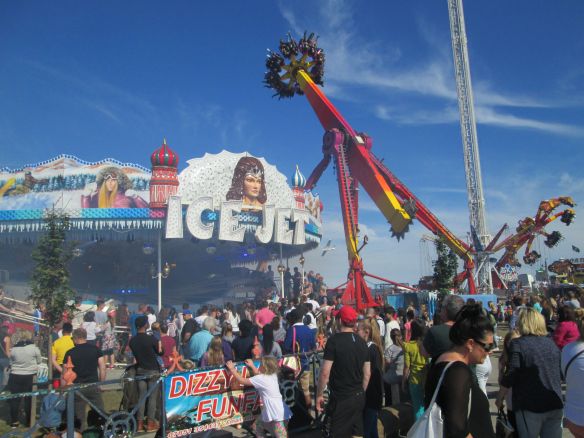
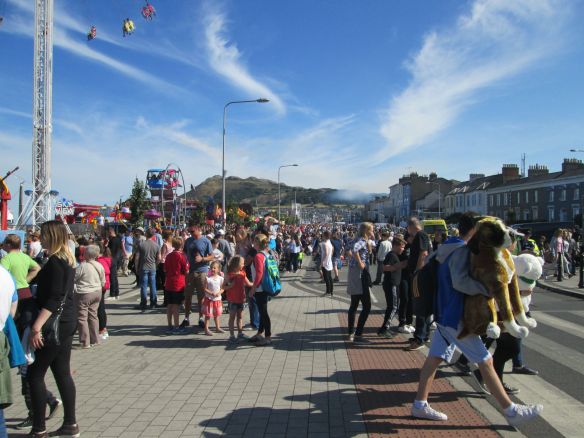
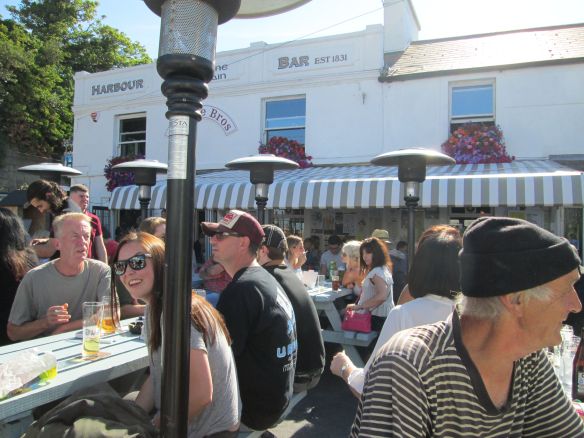
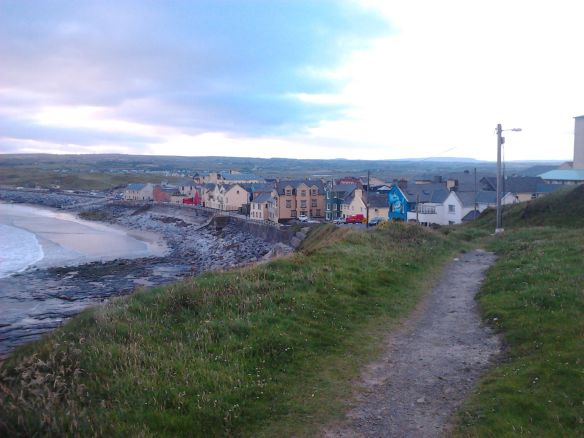 It takes just over three hours from Bray to Lahinch, passing from cool drizzle into warm sunshine. It is a long way from Clare to here. Out to the wild, windy west, to stop at the edge of the world, the Atlantic stretching before us forever.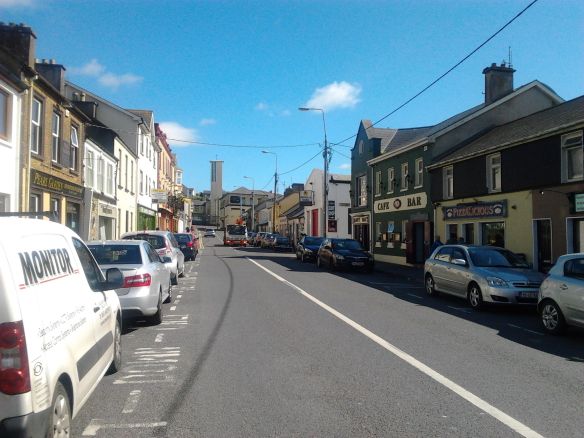
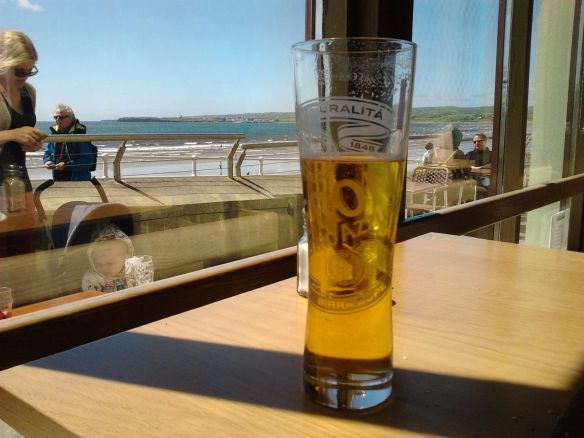
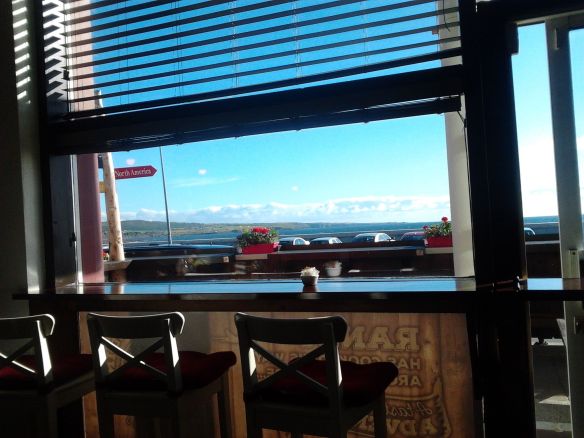
 In Danny Mac’s Cafe Bar, we’re drinking to old times. Man, wherever you go, they pull a fine pint down here. There’s something of a cafe ambience, alright. They do a Legendary Irish breakfast here too. I’m not seeing much night out here. The sun might go down in nearby Galway Bay, but it won’t be long coming up again.

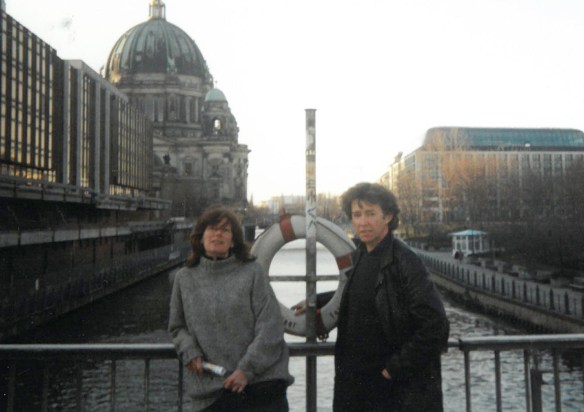

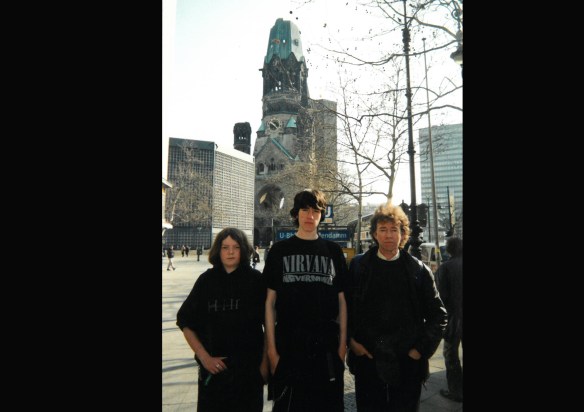
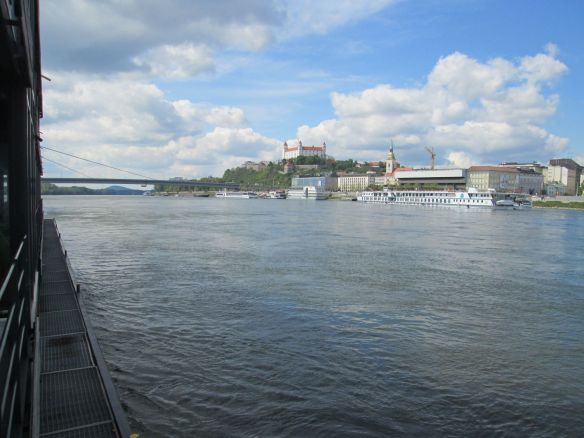

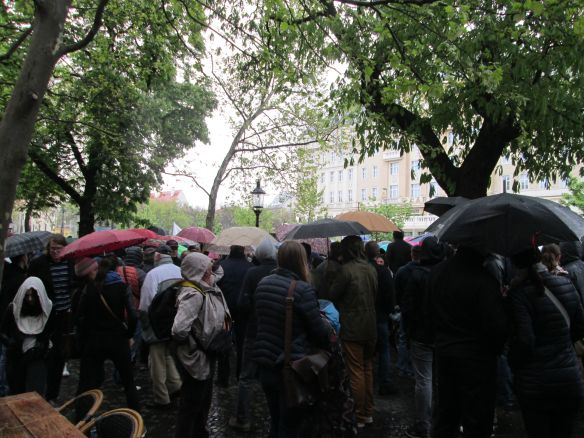
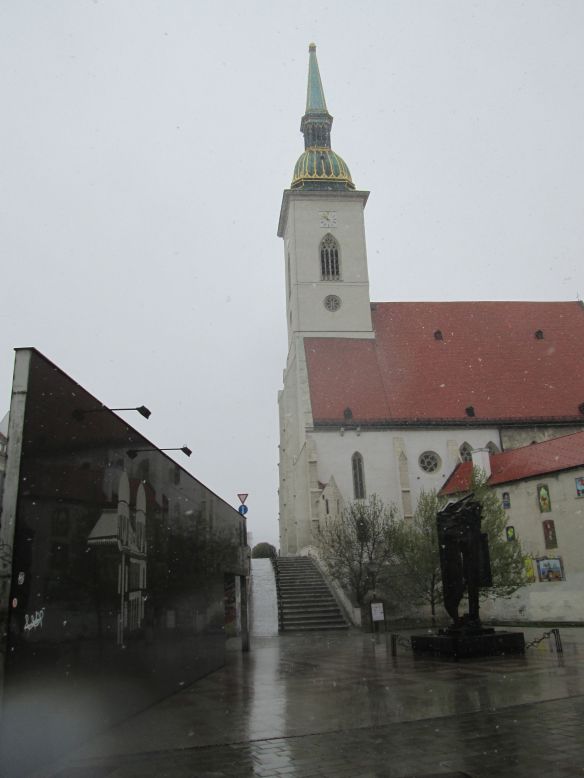
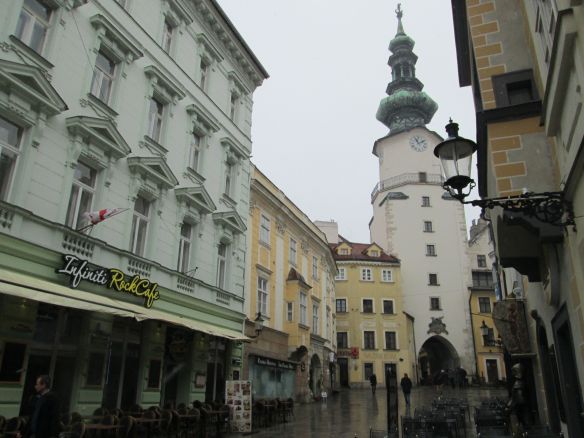
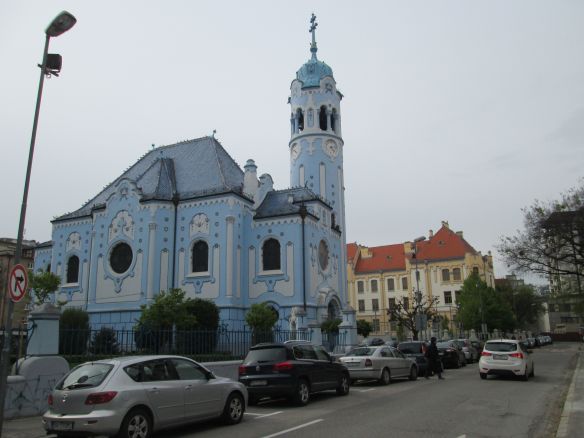
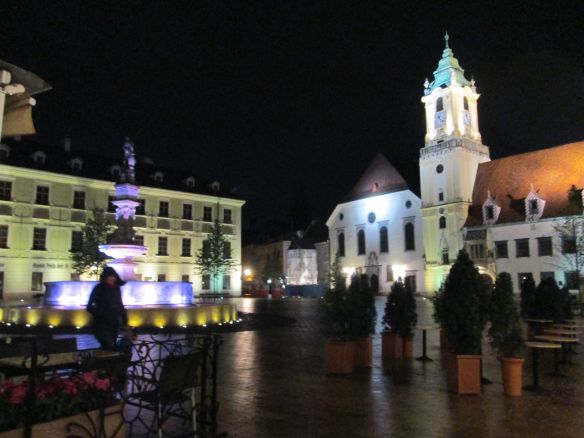
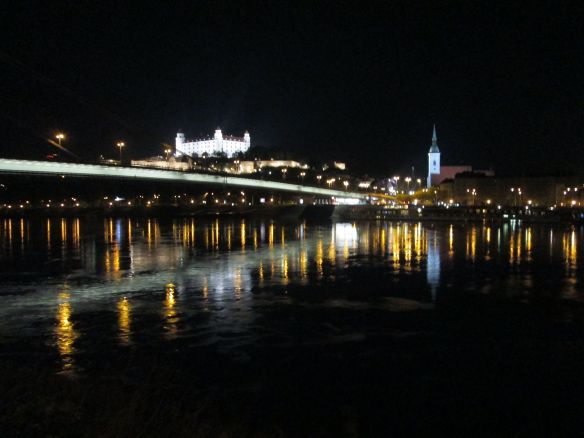
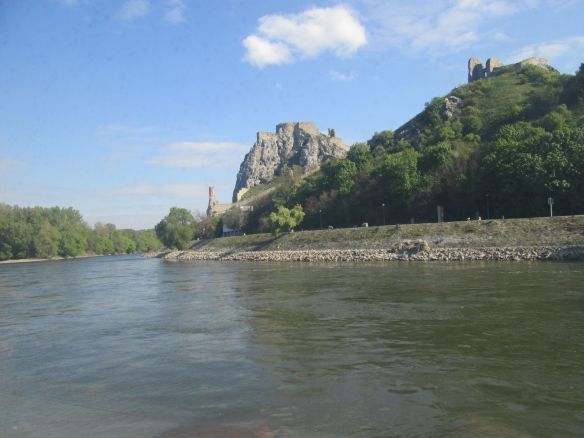
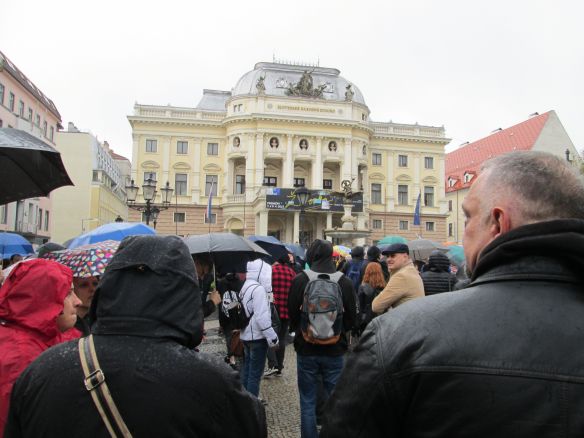 The Danube is the defining river of Western civilisation. The border of empire, dividing Roman from Celt and Goth. Bulwark against the Barbarian, until they crossed in their tens of thousands and ushered in a new age. Highway of Central Europe, carrying art and armies, heroes and villains, east and west. Bratislava was once the focus of Empire, the capital of Hungary from 1536 to 1783. Otherwise, something of a provincial outpost, sandwiched between Budapest, mighty capital of the Magyars, and the Hapsburg megacity Vienna. With a population of half a million, it’s sizeable enough, flowering further in Summer with a tourist influx, the Old Town Square thronged with al fresco diners, or loungers by the fountain. But mid-April is unseasonably cold.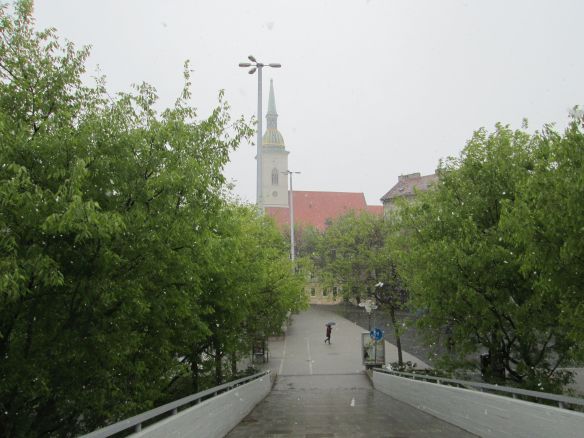
 Further on, a Scottish Bar: The Loch Ness. A rather nebulous concept, I’d have thought. Service and style are more rudimentary, but it’s cosy and quiet. Mind you, the pint costs nearly three euro. Exactly three euro, since I didn’t receive my ten cent back. Half Scottish myself, I blend.
 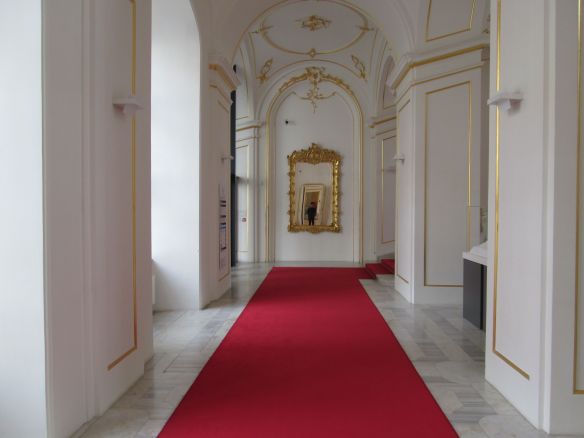 Cold, clear weather on Thursday presents the opportunity to explore Bratislava Castle. High above the city, it dates to the eleventh century, becoming a baroque palace in the reign of Maria Theresa. Extensively renovated in the fifties. Impressive, stark and forbidding, it dares entry.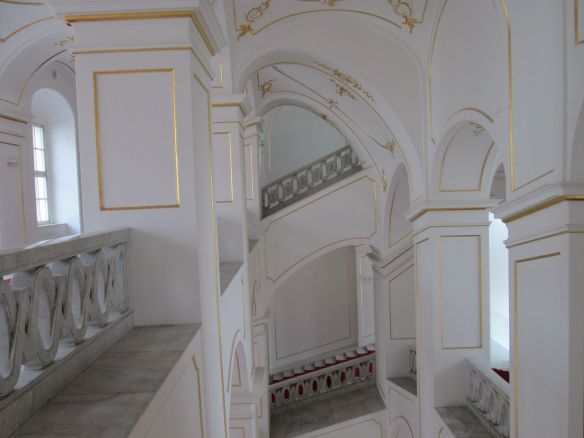


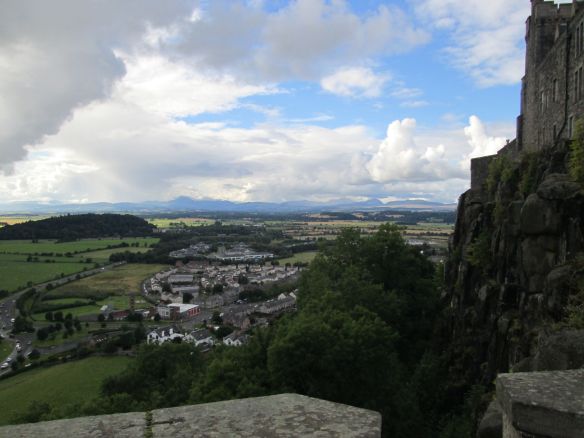

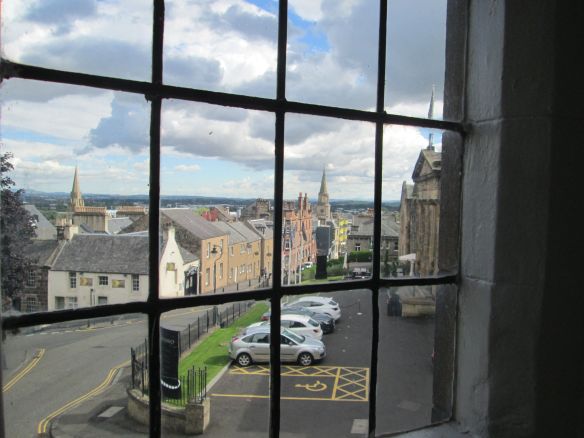
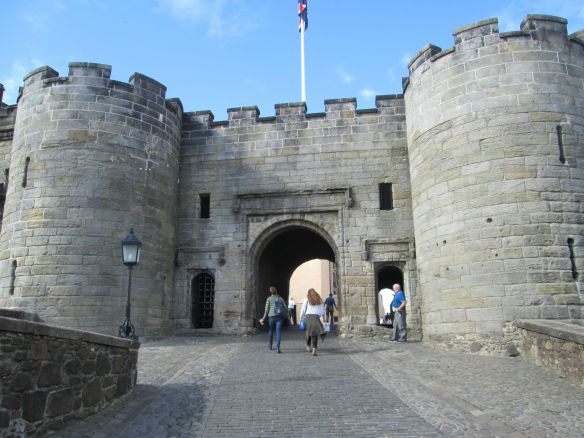
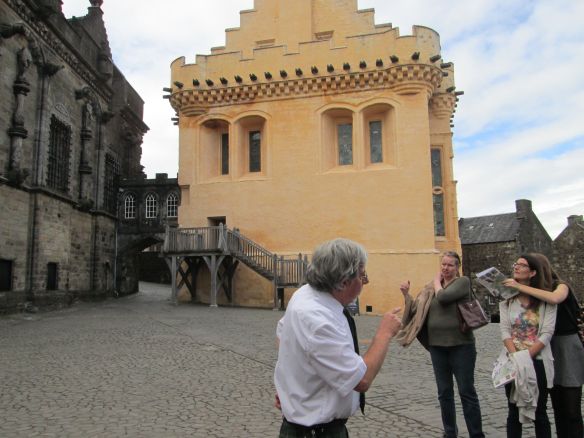
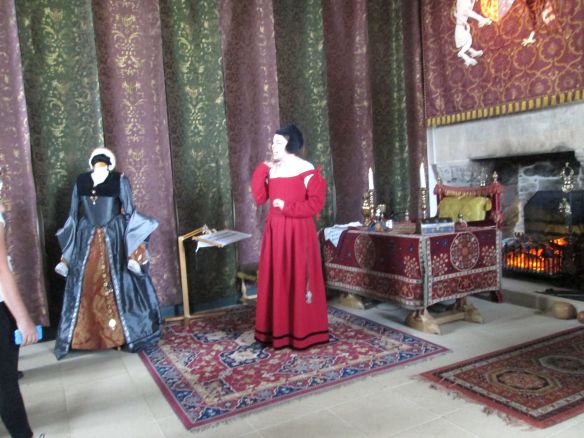
 Time to close our evening in more mundane pursuits. Stirling is lively at night, without much by way of airs and graces, but plenty of good places to eat and drink. All you can eat at Chung’s Chinese is enough by way of temptation – the one thing I can’t resist. Return to the Hotel for a quiet beer in the bar. High windows here as in room. Schoolhouse rules apply. The ambience is pleasant and in solitude we can savour all we’ve experienced on this Scottish tour. It seems like and age, and a wee spark of time. The last day dawns damp and grey. We finish as we started on our first in Glasgow, in Wetherspoons for the best Scottish breakfast in, well, in Scotland.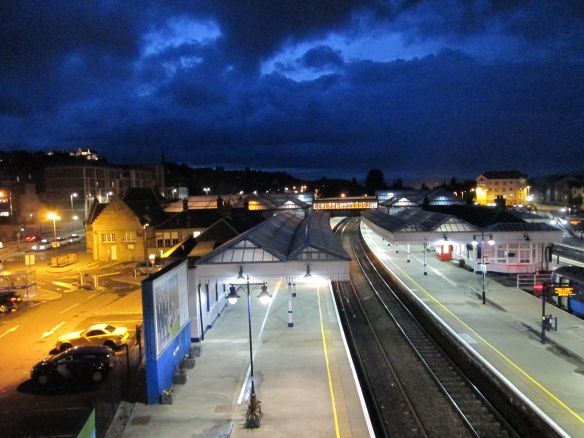
 xxharrison