If you are flying into London Heathrow, the most convenient connection to the city centre is to take the Piccadilly Line on the London Underground, aka The Tube. It’s just over half an hour to reach the central zone while the line continues on out to the suburb of Cockfosters. From Earl’s Court in the west, the line passes through ten Tube stations in the city centre before reaching King’s Cross St Pancras in the north east, all convenient for most top London sights, accommodation and your wining and dining pleasure. If the Piccadilly line doesn’t go by your front door, there are numerous connections with London’s spaghetti bowl of underground lines, eleven in all.
While the Tube is a boon, fast and comprehensive, it’s a good idea to use the above ground bus service too. London’s red double deckers are a famous attraction in themselves, and they are cheaper than the Tube. A favourite route is the 14 which starts in Putney on the River Thames, the starting point for the annual University Boat Race between Oxord and Cambridge. The 14 passes through Fulham before following much the same route as the Picadilly Line, terminating at Russell Square not far from Kings Cross.
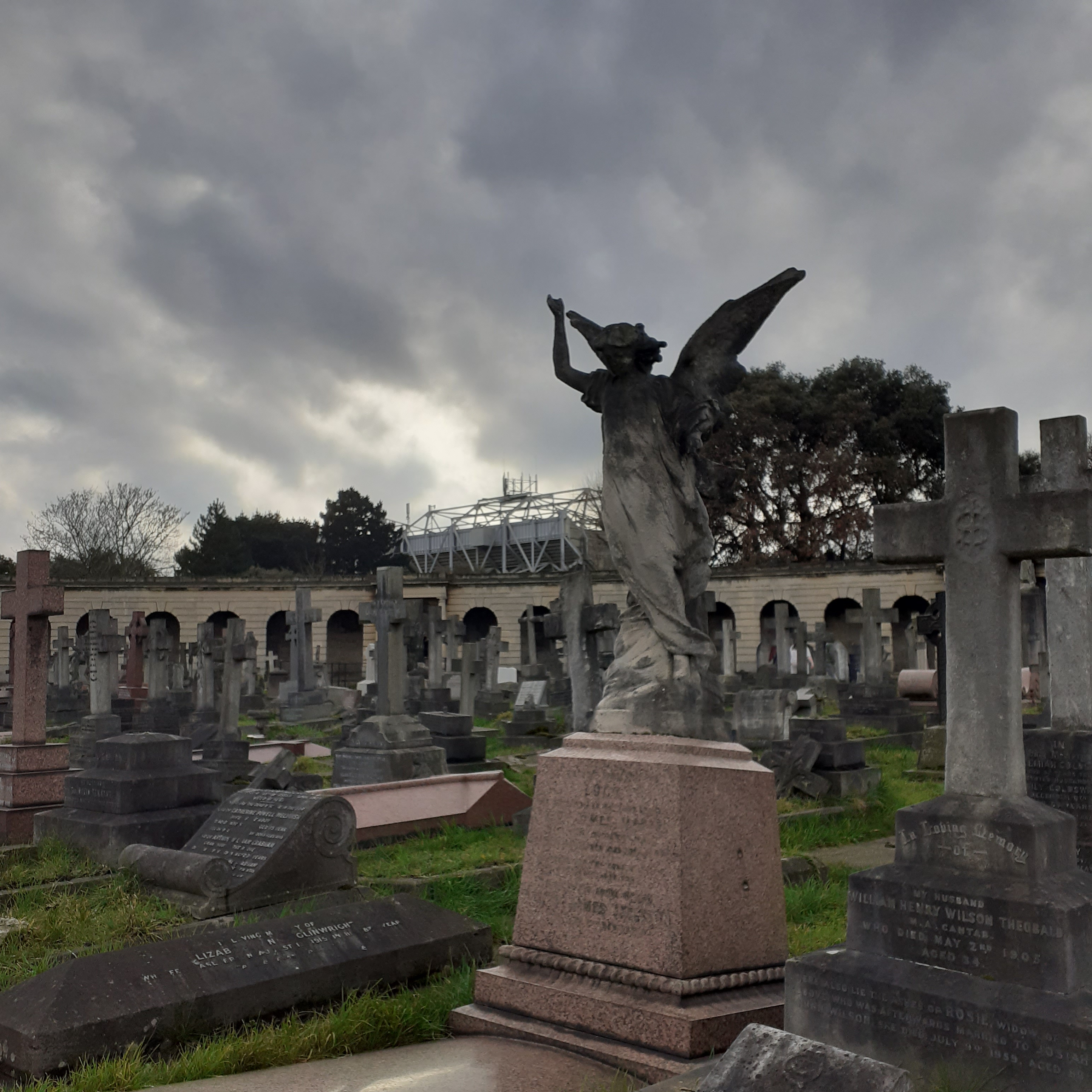
Here’s just some of the fun you can have along these routes. On our recent trip we took the Tube from Heathrow to Earl’s Court and could have taken the District Line to Fulham Broadway, but walked instead through Brompton Cemetary. Opened in 1840 this is the resting place for two hundred thousand departed. Amongst these are Luisa Casati flamboyant Italian fashion and art icon, whose Venetian residence is now the Guggenheim, Henry Cole, inventor of the Christmas Card and moving force behind the Great Exhibition of 1851 in Hyde Park’s Crystal Palace, Emmeline Pankhurst, radical Suffragette leader and Kit Lambert manager of The Who. Beatrix Potter, who lived nearby, browsed the tombstones in naming her characters, including a certain Peter Rabbett. An impressive feature at the southern end centres on a domed chapel flanked by symmetrical collonades, the development modelled on St Peter’s Square in Rome.
We were staying at the Stamford Bridge Hotel at Chelsea FC on the Fulham Road. The 14 goes past the door, heading along the Fulham Road before turning into South Kensington. It is a lively spot at the nexus of several major thoroughfares. The tube station lies below a shopping arcade facing onto Onslow Square. The natty boulavardier cast in bronze is Bela Bartok, the Hungarian composer who lived hereabouts between the wars. He stands on stainless steel leaves serenaded by a songbird.
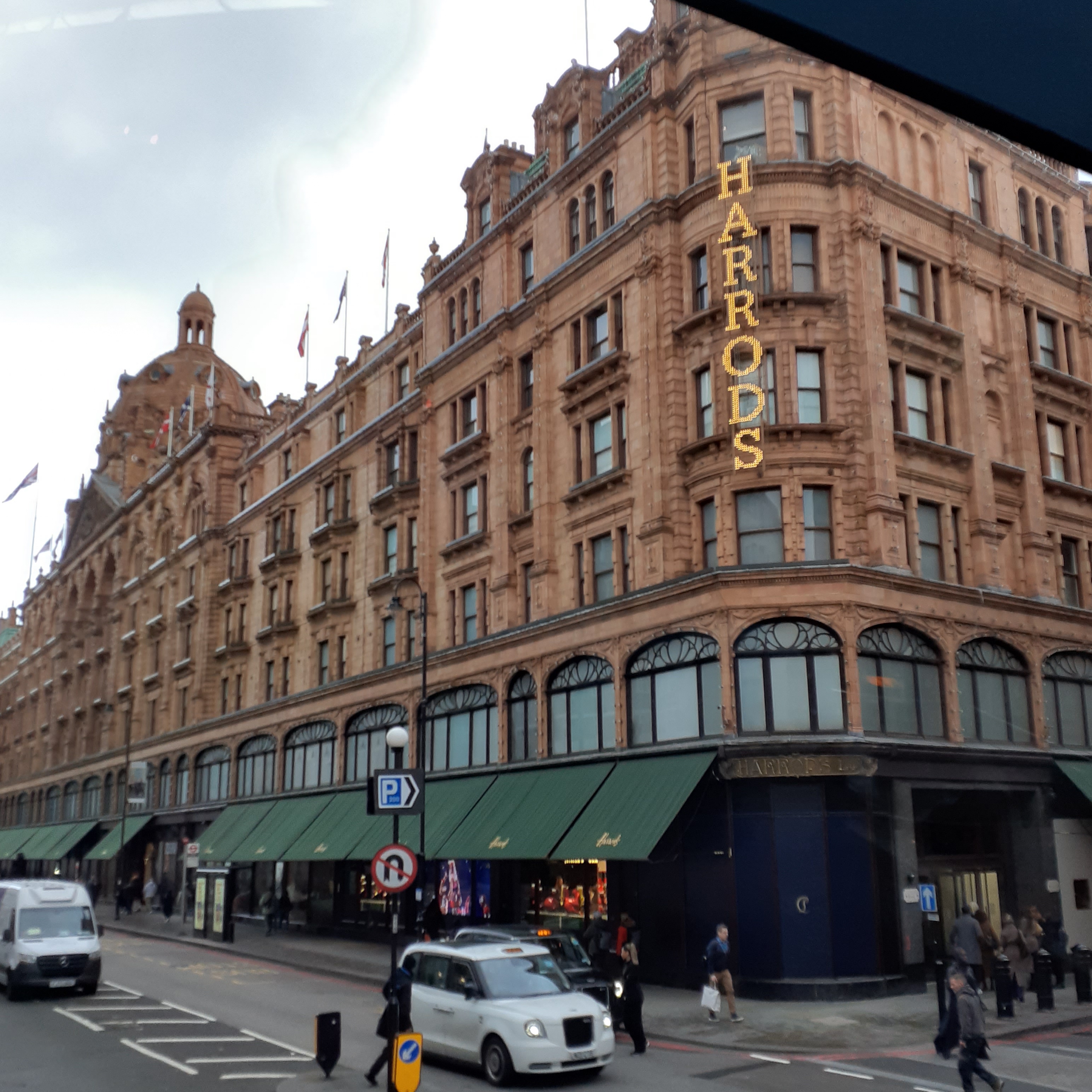
Turning onto Cromwell Road, the street is dotted with elegant landmarks of the Victorian Age. The Natural History Museums is an ornate gothic cathedral guarded by dinosaurs The Victoria and Albert Museum is next door. Founded in 1852 by the V and A mentioned it is another majestic landmark and the largest museum of applied art and design in the world, Joining Brompton Road we head into Knightsbridge ,London’s shopping mecca. Flagship of fashionable retail is Harrods Luxury Department Store opened in 1905. Its vast redbrick facade fronts the largest department store in Europe.
Hyde Park Corner marks the southeastern edge of the park at its junction with Green Park. The entrance pays much homage to Dubliner Arthur Wellesley, the Duke of Wellington. He had defeated Napoleon at Waterloo, though on which platform we can’t say (as Myles na gCopaleen might have said). Speakers Corner, by the way, is at the northeastern end, the place where you can spif publicly on any topic, a hobby more often endured in public bars.
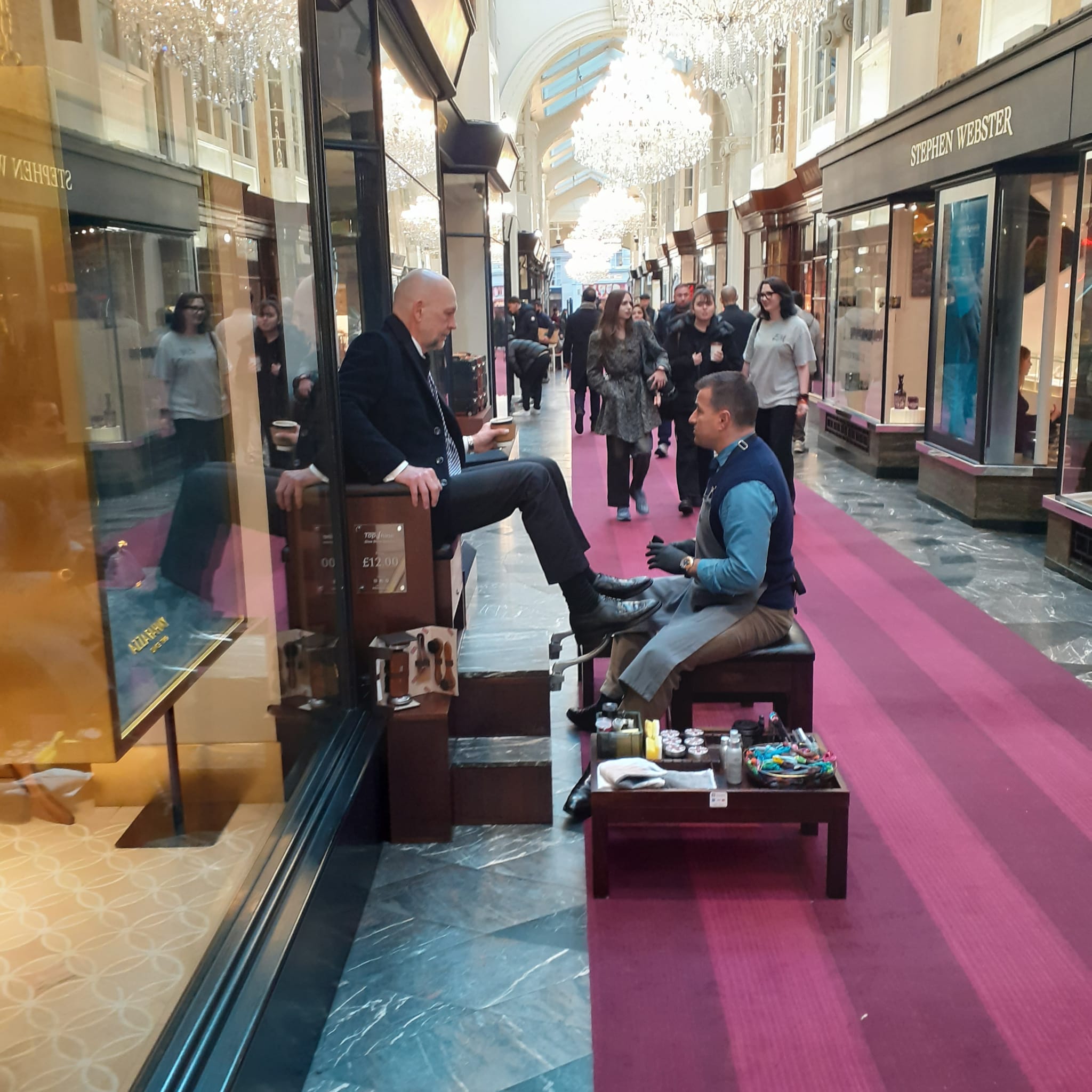
The thoroughfare of Piccadilly is wide and straight, leading into the heart of central London. The name comes from piccadill, the white lace collars popular in Shakespearean times, and made and sold here in the early 1600s. Getting off before Piccadilly Circus, we turn into the Burlington Arcade. Lit by giant chandeliers it is the oldest and swankiest of London’s covered shopping arcades. Built in 1819, there are forty high end shops, many famed jewellers and watchmakers, pampering cafes or even a shoeshiner where you can relax to take it all in. The Burlington is patrolled by Beadles kitted out in traditional attire.
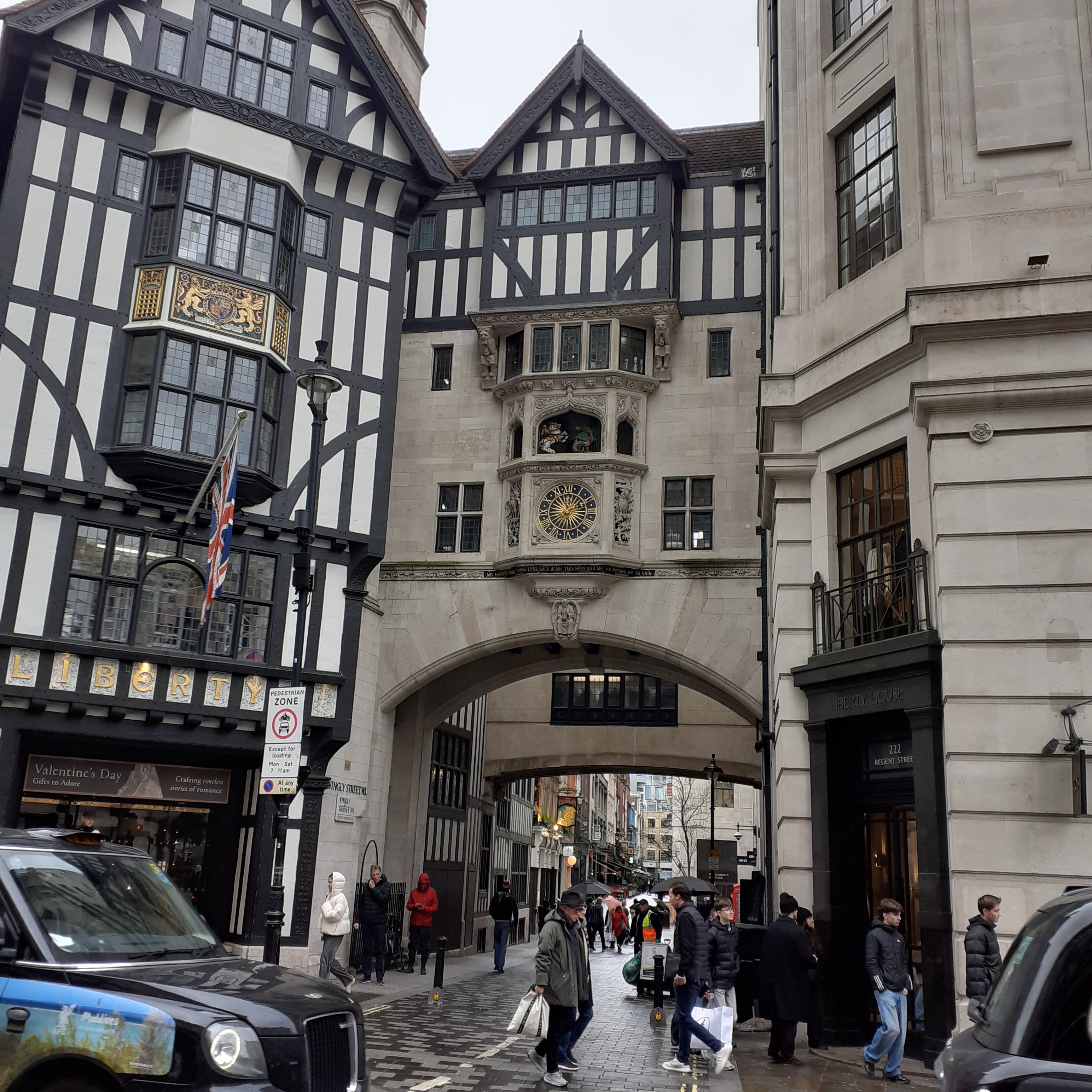
At the end of the arcade we turn right towards Regent Street and strike for Liberty’s, a Tudor Revival building from 1920. Like its architecture, it is an intriguing blend of traditional and cutting edge, offering fashion, beauty, homeware and textiles over five floors around a central atrium. The building picturesquely spans the entrance to Carnaby Street. The famed indigenous fashion shops of sixties London are now mostly swamped by international brands. The vibe of Soho persists and there are plenty of quirky shops and no shortage of choices for refreshment. We get a coffee in Cafe Concerto, a large Italian cafe on the corner of Shaftesbury Avenue, with huge picture windows, sidewalk seating and tempting cakes and snacks. Leicester Square is around the corner, the centre for theatre tickets and cinema.
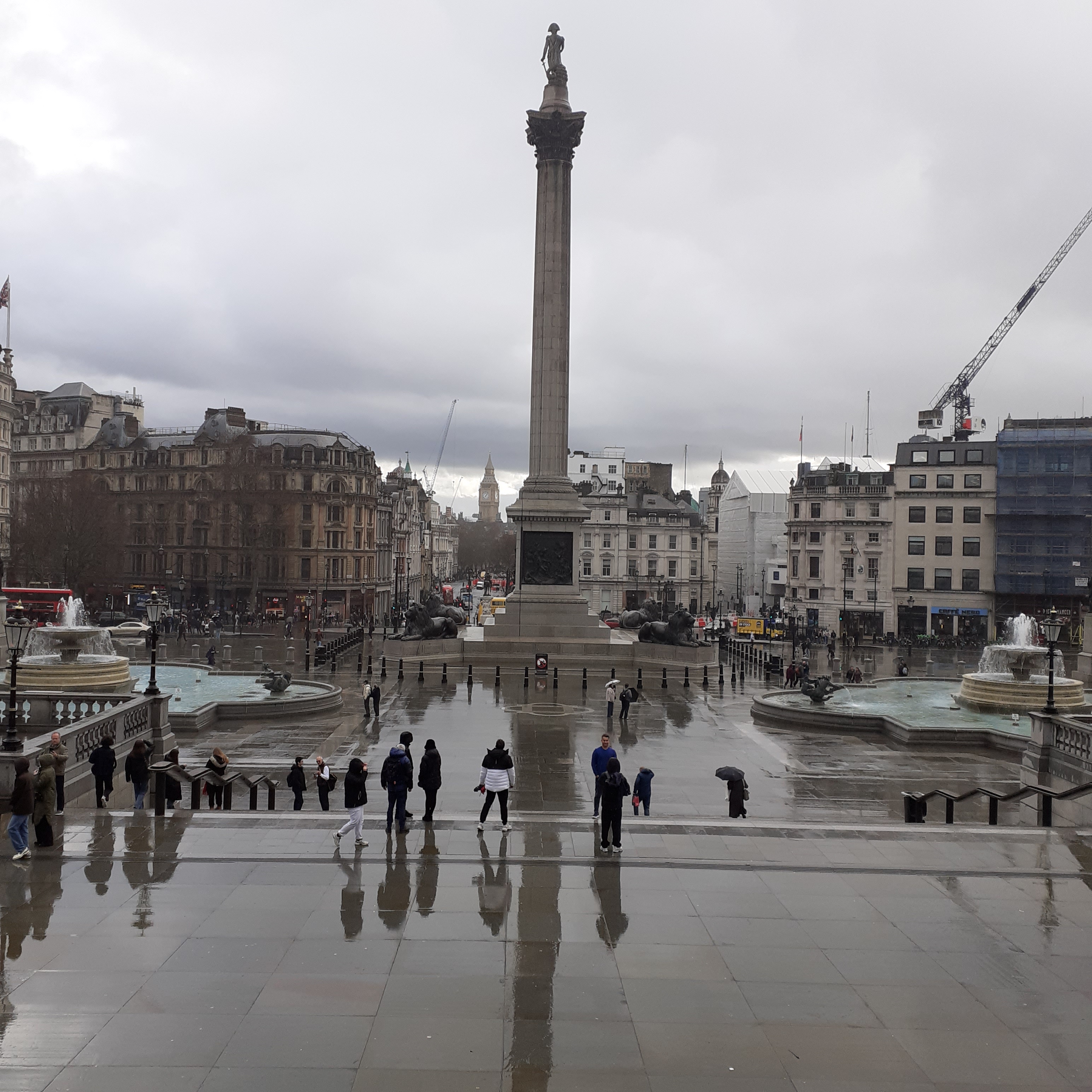
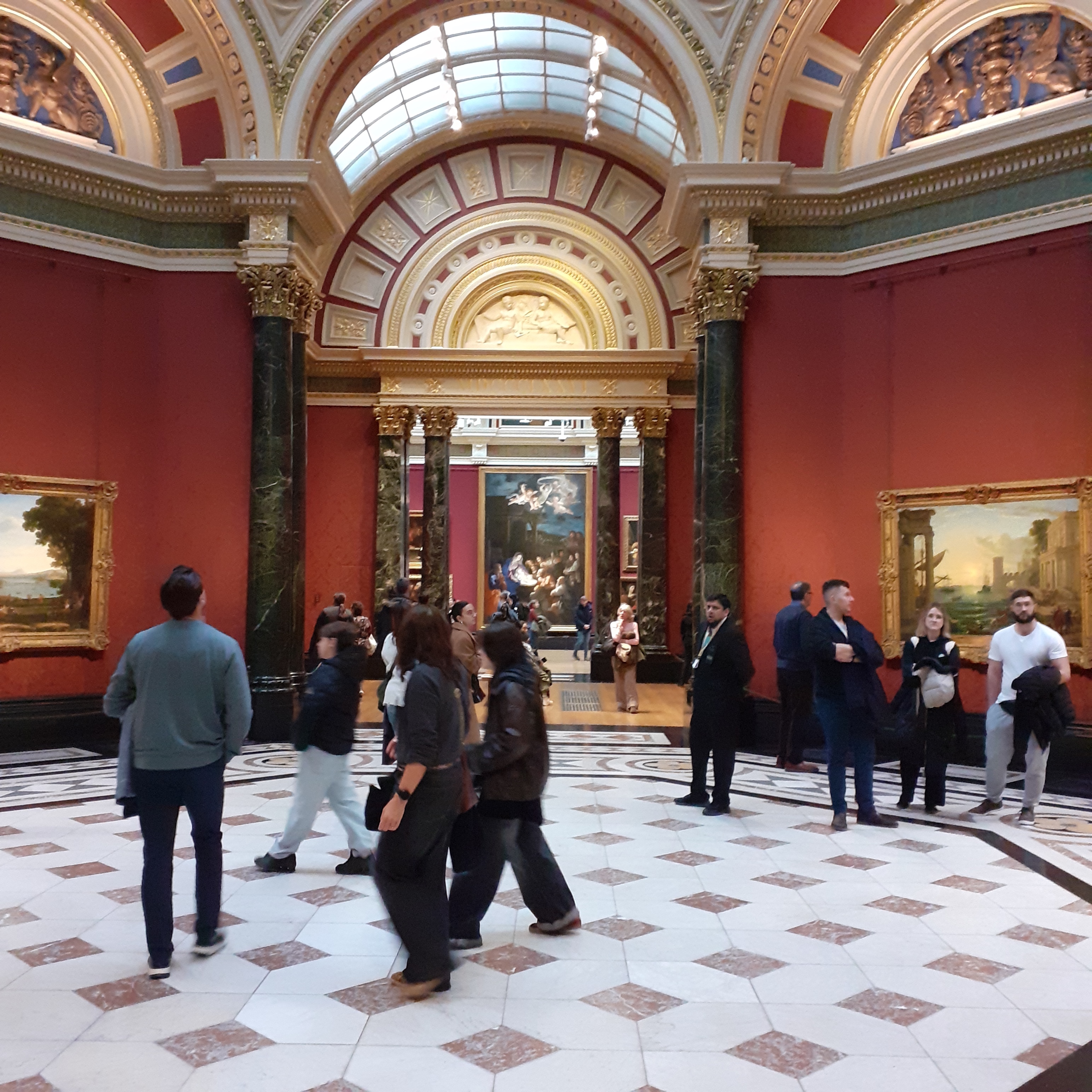
The visual arts are also world class around here. A visit to the National Gallery of Art on Trafalgar Square is a must. Or the Portrait Gallery nearby, both if you can. Turner’s part in the collection is a central feature. Most recently we concentrated on late eighteenth and nineteenth century art. The viewer is led from Constable and Turner on to Monet’s reflective pools and Seurat’s giant bathers. But there’s much more than that. It’s free in, so make a few visits. Don’t eat it all at once.
A stroll up the Strand takes us through the heart of old London. The street divides in two at the churches of Mary le Strand, and St Clement Danes. These churches were once traffic islands, but pedestrianisation has returned to them a more antique and relaxed vibe. Volunteers and vicars are happy to greet, and impart interesting information. St Mary’s, smaller of the two, was associated with the Wrens during WW2, Clement Danes with the RAF. Here, I am told, it was designed by a Scottish Catholic, an unusual combination you would think but to which I can attest, being the son of one.
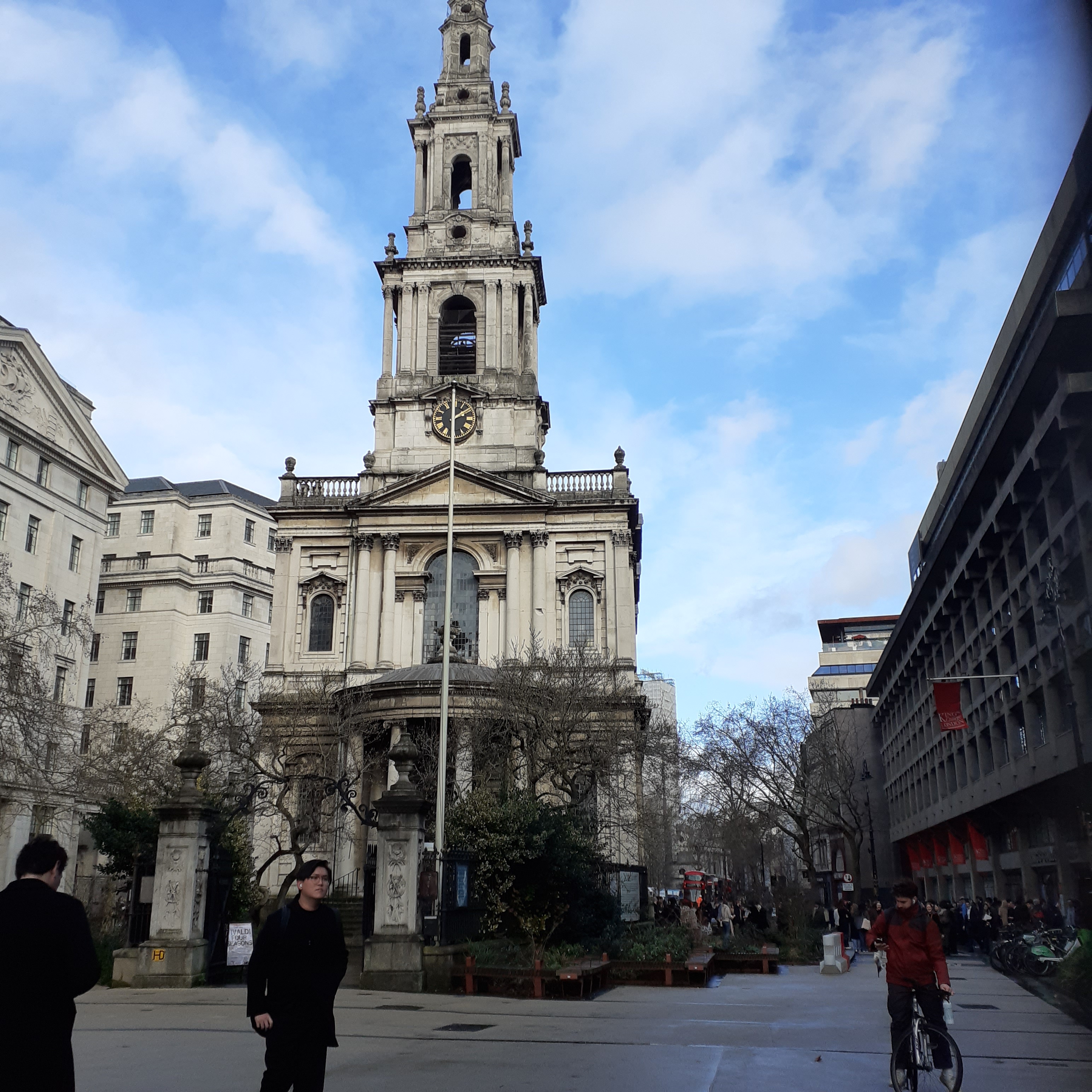
Safely on the kerbside, the Law Courts is a sprawling masterpiece of Gothic Revival, familiar to watchers of the BBC News. It was designed by George Street and opened by Queen Victoria in 1882. Opposite the Law Courts is Temple Bar, once an ancient gate on the western edge of the City. Ducking into a laneway we head down towards the river. A detour through the Temple is worth it, entering the quiet and traditional world of England’s ancient court procedures. The Inns of Court, professional associations for barristers, have their own dining halls, administrastion offices and the various Chambers for practicing lawyers include appartments for senor barrisers and judges. Temple Church is nestled here. It was built by the Knights Templar in the late twelfth century. Extensively damaged during the Blitz, renovation work was not completed until 1958. The church is famed for its appearance in the Da Vinci Code by Dan Brown.
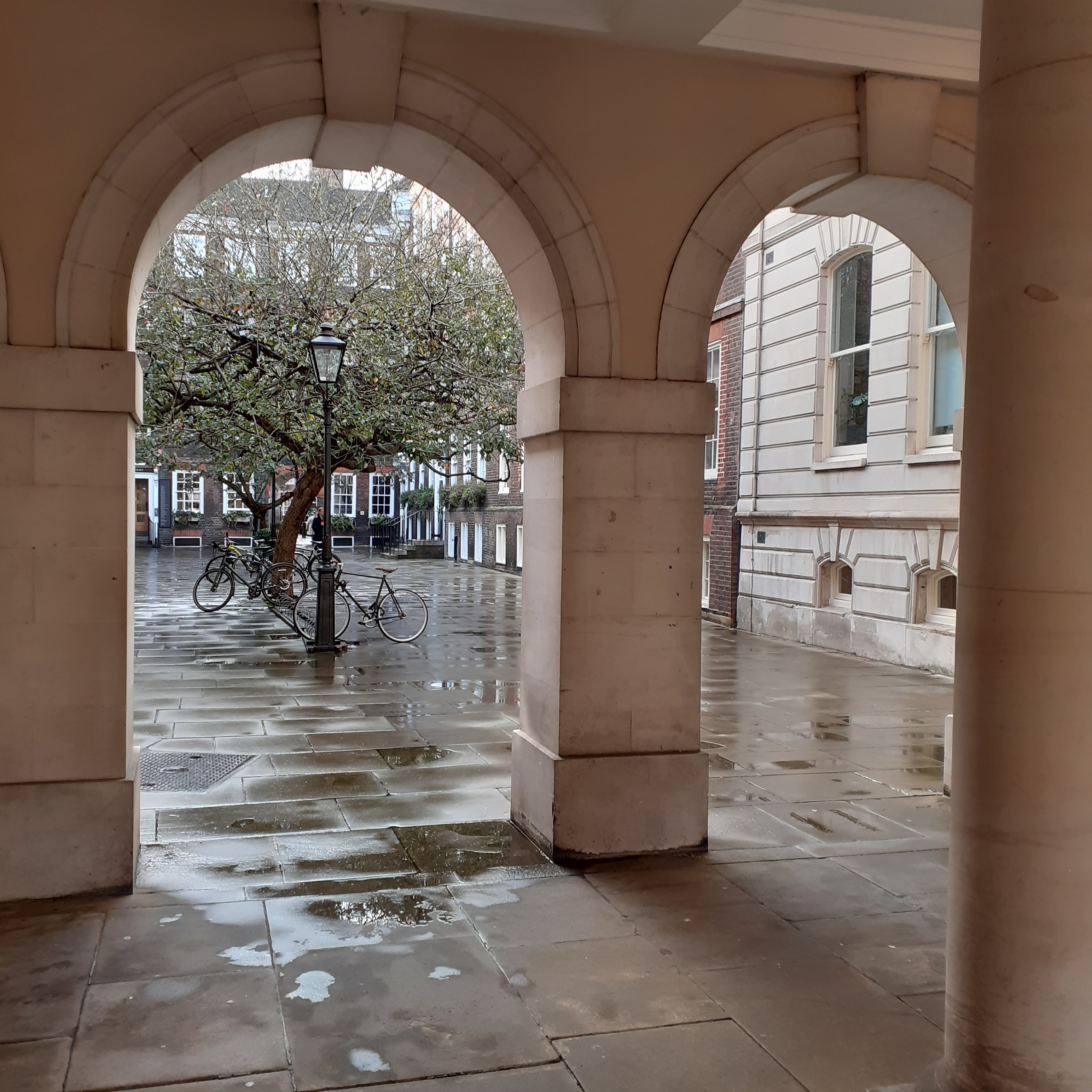
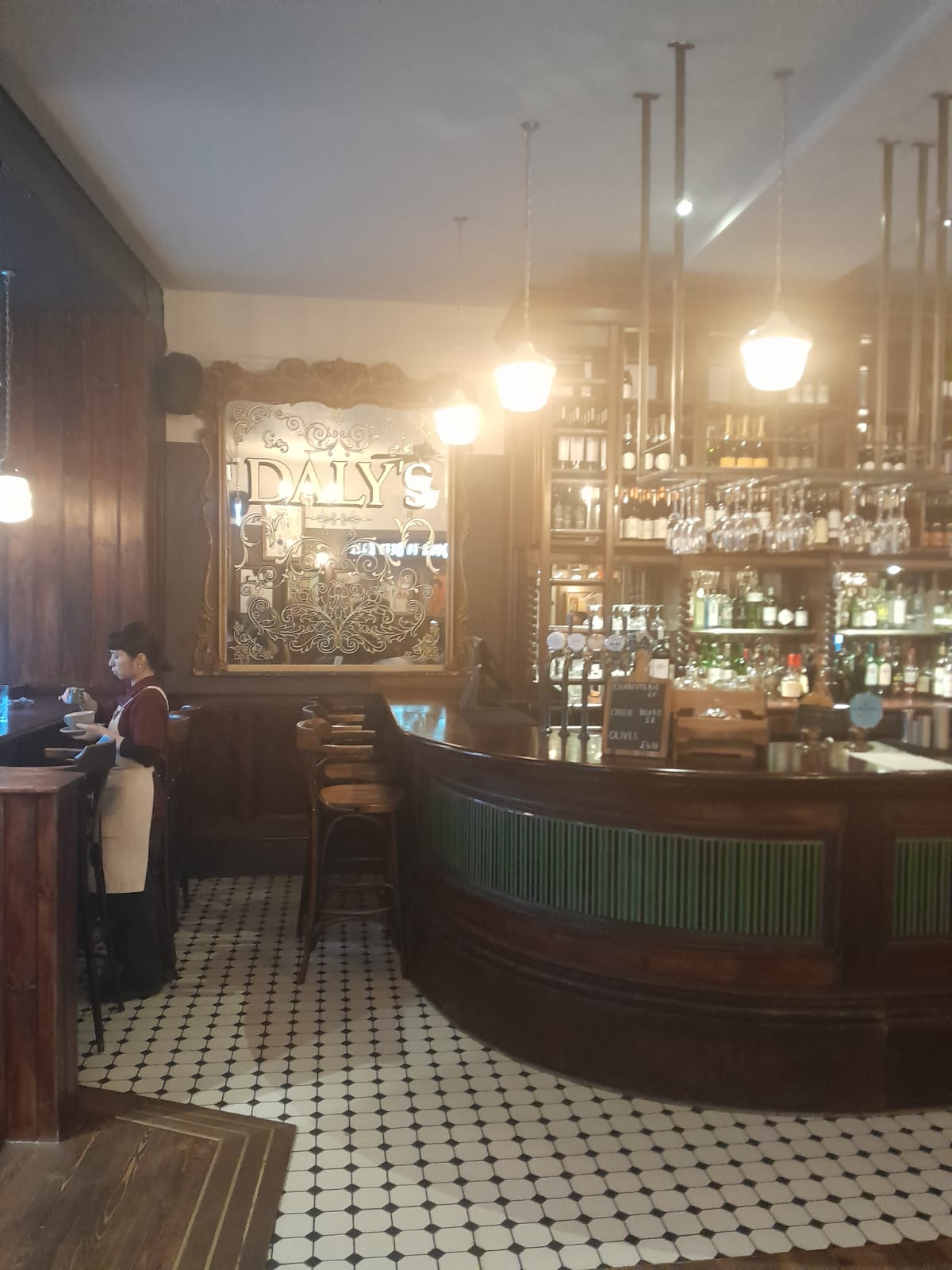
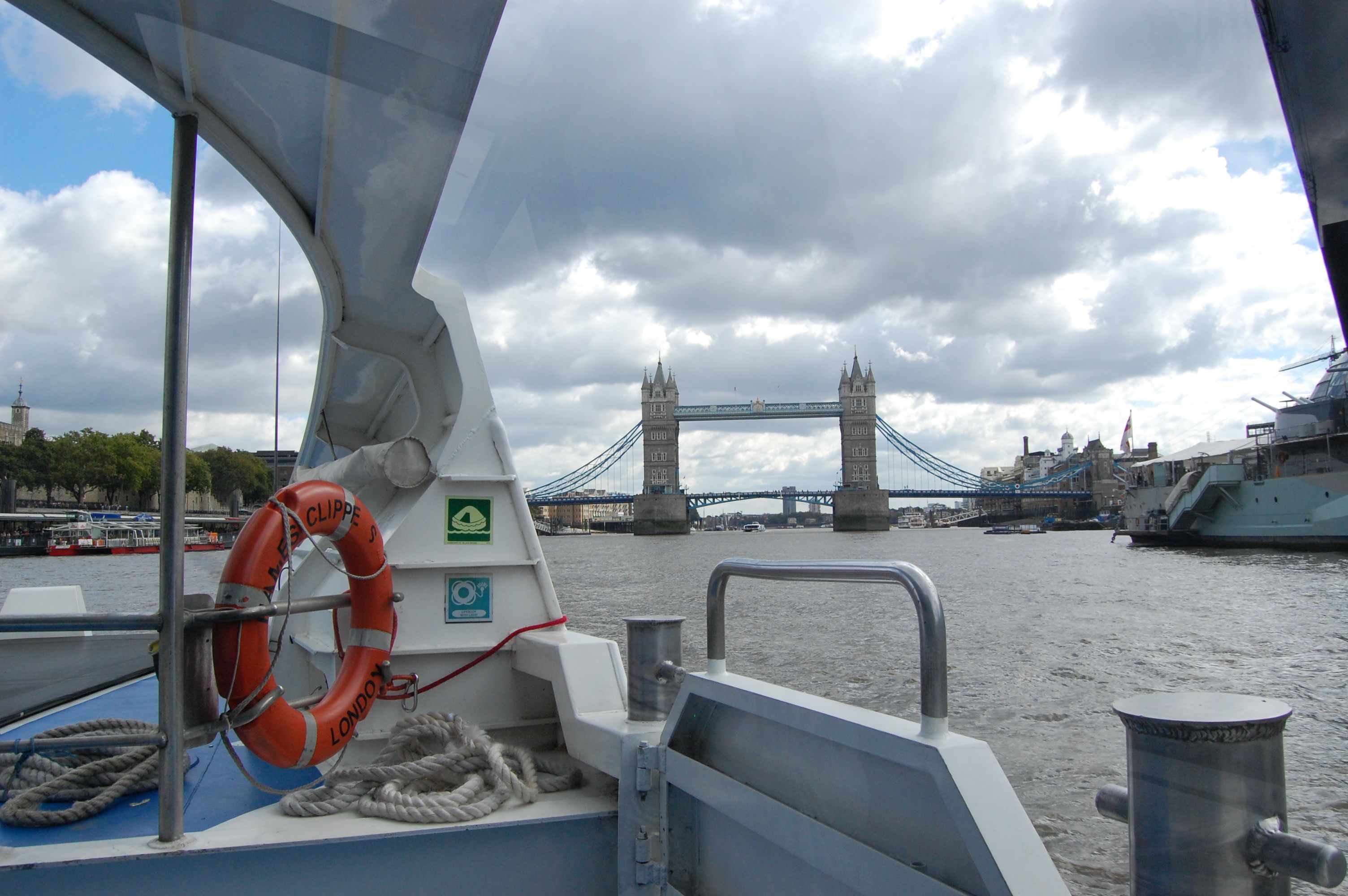
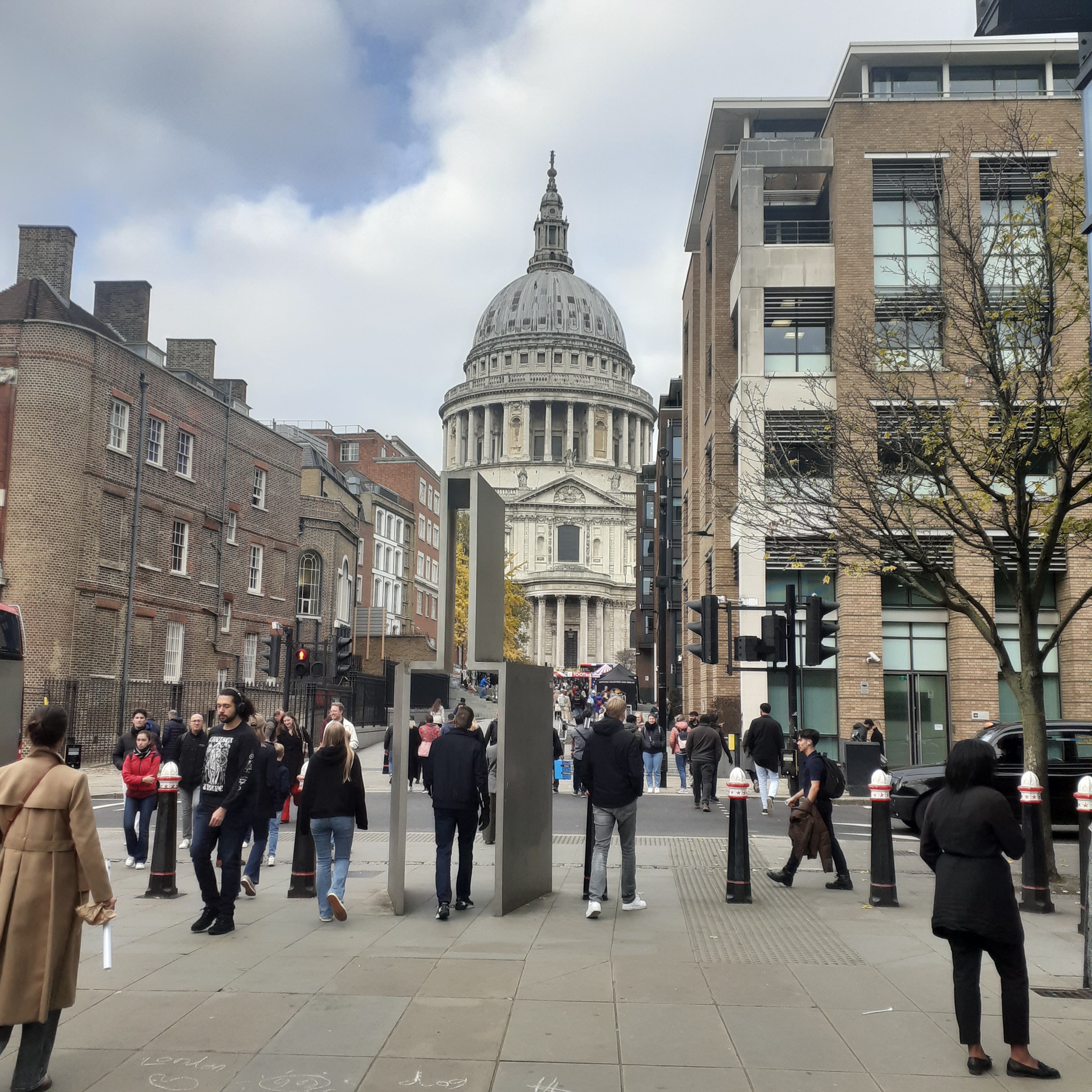
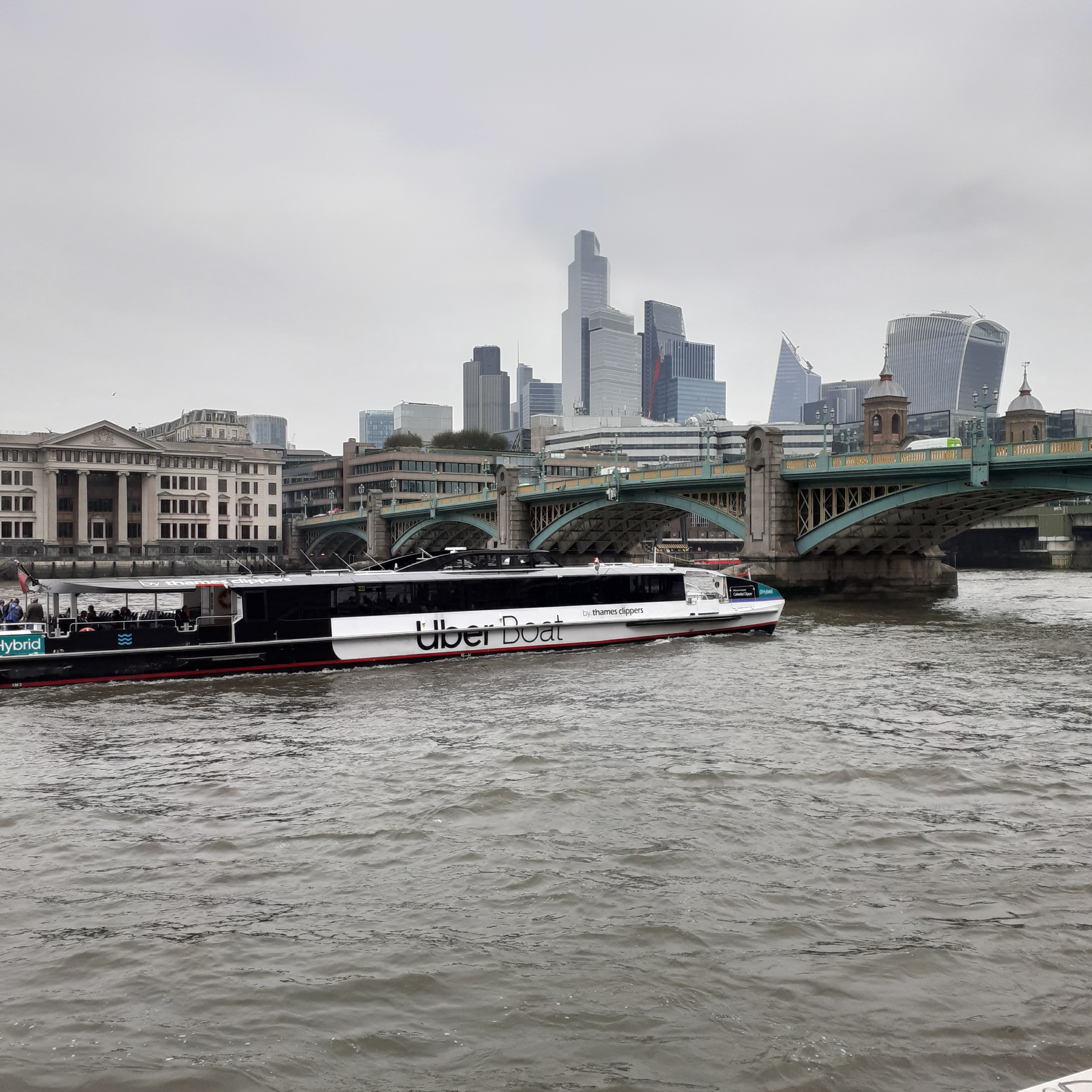
St Paul’s sits at the top of the hill. The entrance fee is prohibitive, but prayer is free. There’s a calm square to the side of the cathedral where we rest and watch stormclouds brewing. A steep pathway leads us down to the river where the Millennium Bridge leads over to the South Bank. You can see downriver to Tower Bridge while the Globe Theatre and the Tate Modern bracket four centuries of creativity on the quayside. This time we walked the north bank upriver, cut in through Temple Bar, and had a few nice pints of Guinness at Daly’s back on the Strand.
The monumental postwar buildings of Aldwych curve back towards the West End. Covent Garden is a little farther on. An oasis from its merry mayhem is found in the grounds of another St Paul’s. The church was built the 1630s and designed by Inigo Jones an early trailblazer of Neo-classicism in England. Entrance is from the graveyard garden.The portico facing the public square is technically to the rear. This has been noted for the first recorded performance of a Punch and Judy Show and remains a regular haunt for street performers. The portico also featured in George Bernard Shaw’s Pygmalion and the later film My Fair Lady. The area around became a noted theatre district soon after St Paul’s completion. Known as the Actors Church, inside there are plaques dedicated to many notable figures of stage and screen, including Charlie Chaplin, Noel Coward and Vivien Leigh. Across the square Covent Garden’s nineteenth century market building is busy and pleasant, with musicians playing on the lower level. The old market area also hosts the Royal Opera House and the London Transport Museum.
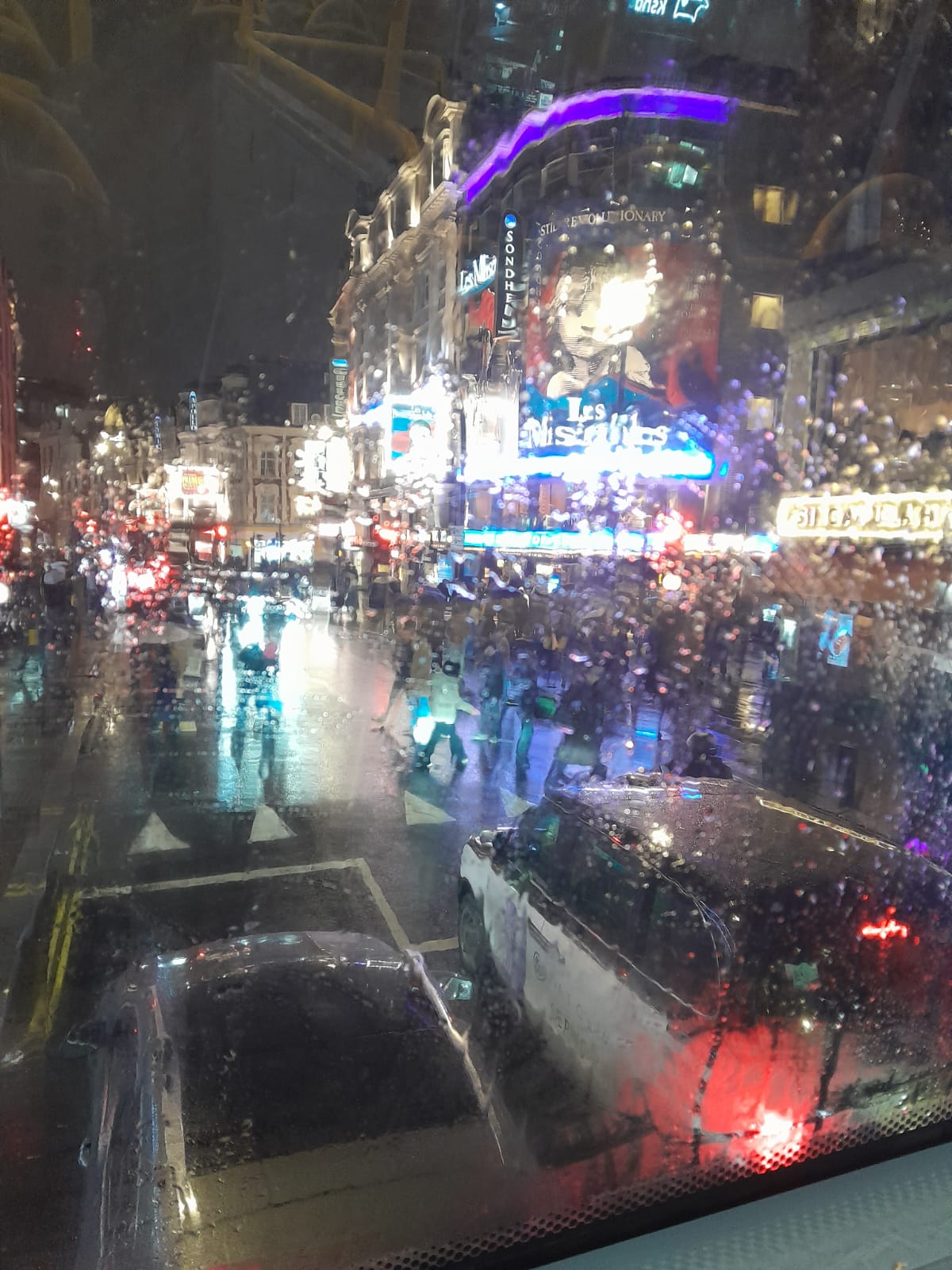
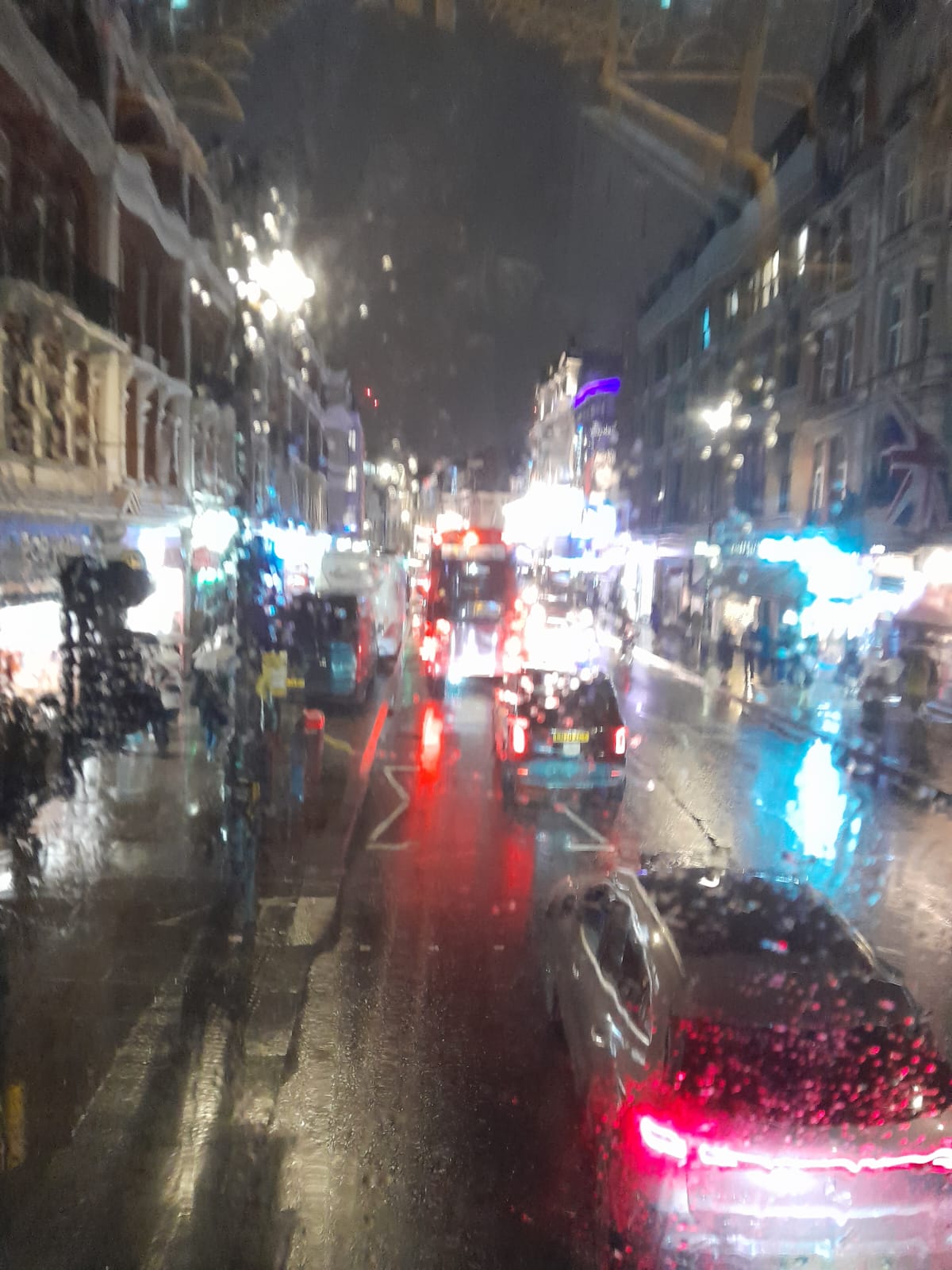
We are on a contemporary London transport project however. A short walk to Holborn by way of Lincoln’s Inn Fields, we stop at an Indian restaurant before heading on to Russell Square to catch our bus. Although London’s alleged rainforest climate is often touted in film, on my sixteen or so visits in the last fifty years I can’t actually recall being rained on. Now the rain pours down as we reach the 14 terminus at Russell Square. First we pass the British Museum, then through the full length of Shaftesbury Avenue. The theatre district glimmers in its floodlights and neon, the madding crowds unfazed by the downpour. A sign proclaims Les Miserables. Not us.
I saw you walking down Shaftesbury Avenue
Excuse me for talking I wanna marry you
This is seventh heaven street to me
Don’t you seem so proud
You’re just another angel
In the crowd and I’m…
Walking in the wild west end
Walking with your wild best friend
Wild West End is a song from Dire Straits’ eponymous debut album in 1978.
 xxharrison