
We take the train from Seville to Cadiz. There’s a train every hour or so and the hundred kilometre journey takes an hour and a half. Santa Justa Station is an ugly carbuncle on unkempt wasteland on the edge of the city. But once inside it is clean and functional and there are plenty of seats on the main concourse with cafes and eateries. We travel along the eastern Guadalquivir valley heading south through Sherry country. The fortified wine takes its name from Jerez de la Frontera, close to our destination. Further on, we enter the swamplands on the Bay of Cadiz and standing proud in the sea, the city of that name.
There’s a Spanish Train that runs between
Guadalquivir and old Seville
at dead of night the whistle blows
and people fear she’s running still
Spanish Train and Other Stories, Chris De Burgh’s 2nd album from 1975.
Cadiz occupies a small peninsula jutting into the Bay. Initially it consisted of two islands but over the years they have joined and connect to the mainland via bridges and an isthmus. The spectacular La Pepa Bridge looms over the port. It is the longest cable stayed bridge in Spain at five kilometres. It was named as the Constitution of 1812 Bridge, planned for completion on the bicentenary of the launch of Spain’s first constitution in Cadiz. This briefly established a democracy which was crushed by the monarchy two years later. As for the bridge, the economic crisis added another three years before completion in 2015.
Cadiz is often touted as Europe’s oldest city. As with Seville, Hercules is claimed as the mythical founder, his name also used for the Pillars of Hercules guarding the entrance to the Mediterranean farther East. More historically, three thousand years ago the Phoenicians set up shop here. They came from Tyre, in modern Lebanon, and named the settlement Agadir, derived from their word for wall, signifying a stronghold. Agadir is also the name of a Moroccan city, although the Spanish port’s name has mutated to Cadiz over the years.
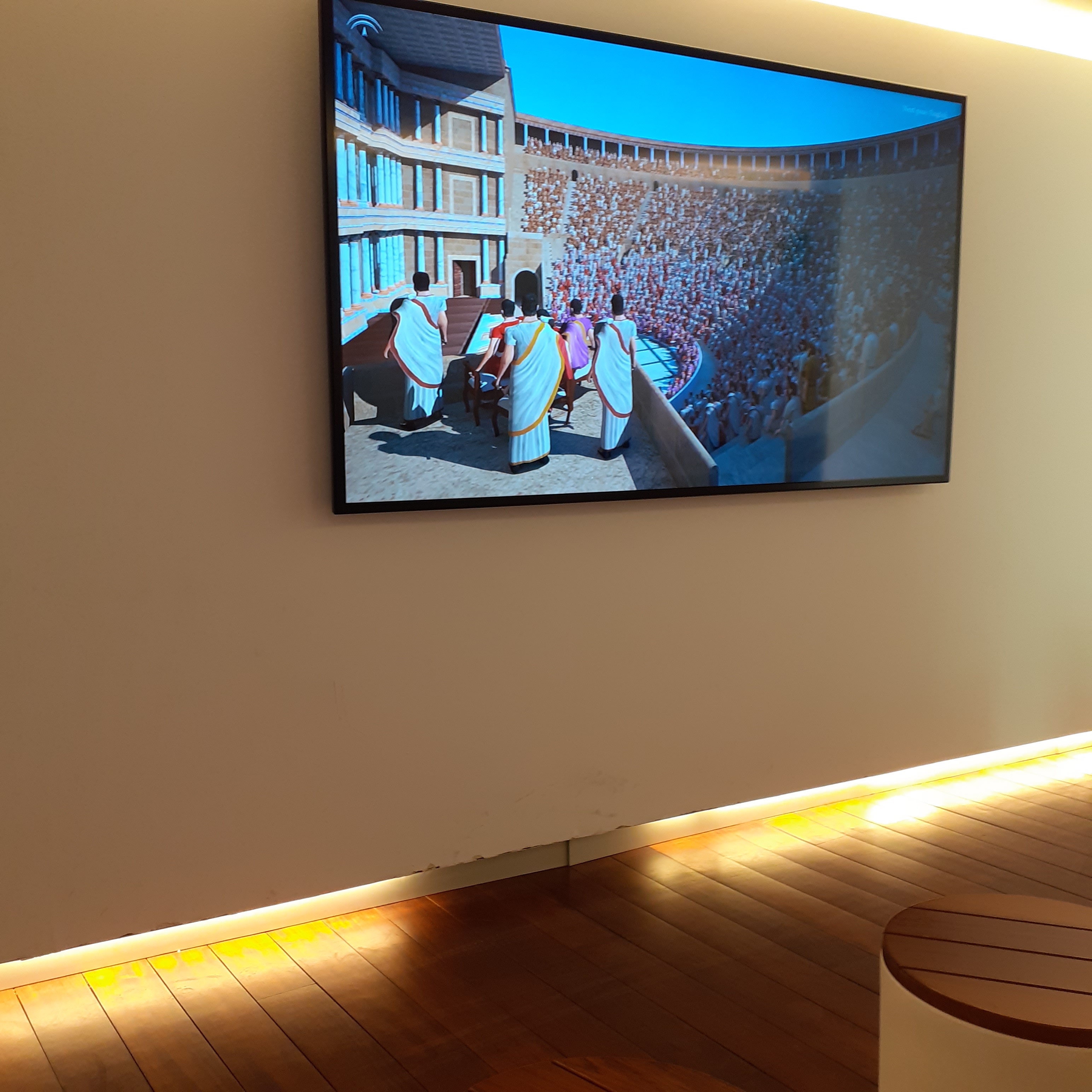
Carthaginians and Romans followed. The Roman city of Gades was established on the southern island. Remnants of its ancient theatre survive and there is an excellent visitor centre showing a visual reconstruction, with ancient artefacts and a fascinating historical narrative. The Theatre was founded by Lucius Cornelius Balbus in the first century BC and only rediscovered in 1990. It is the largest known outside Pompeii and housed up to ten thousand spectators. Entrance is free for EU residents. It is close to the Plaza de la Catedral, via the Arco de la Rosa, one of the ancient gates of the city.
Cadiz fell under Muslim control between 711 and 1262 when the Reconquista confined the Moors to the Nasrid Kingdom of Granada. The fall of Granada in 1492 coincided with Columbus’s adenture in America, and the Conquistadors who followed established a lucrative transatlantic trade for the Spanish crown. Cadiz thrived during the eighteenth century as Spain’s designated transatlantic port.
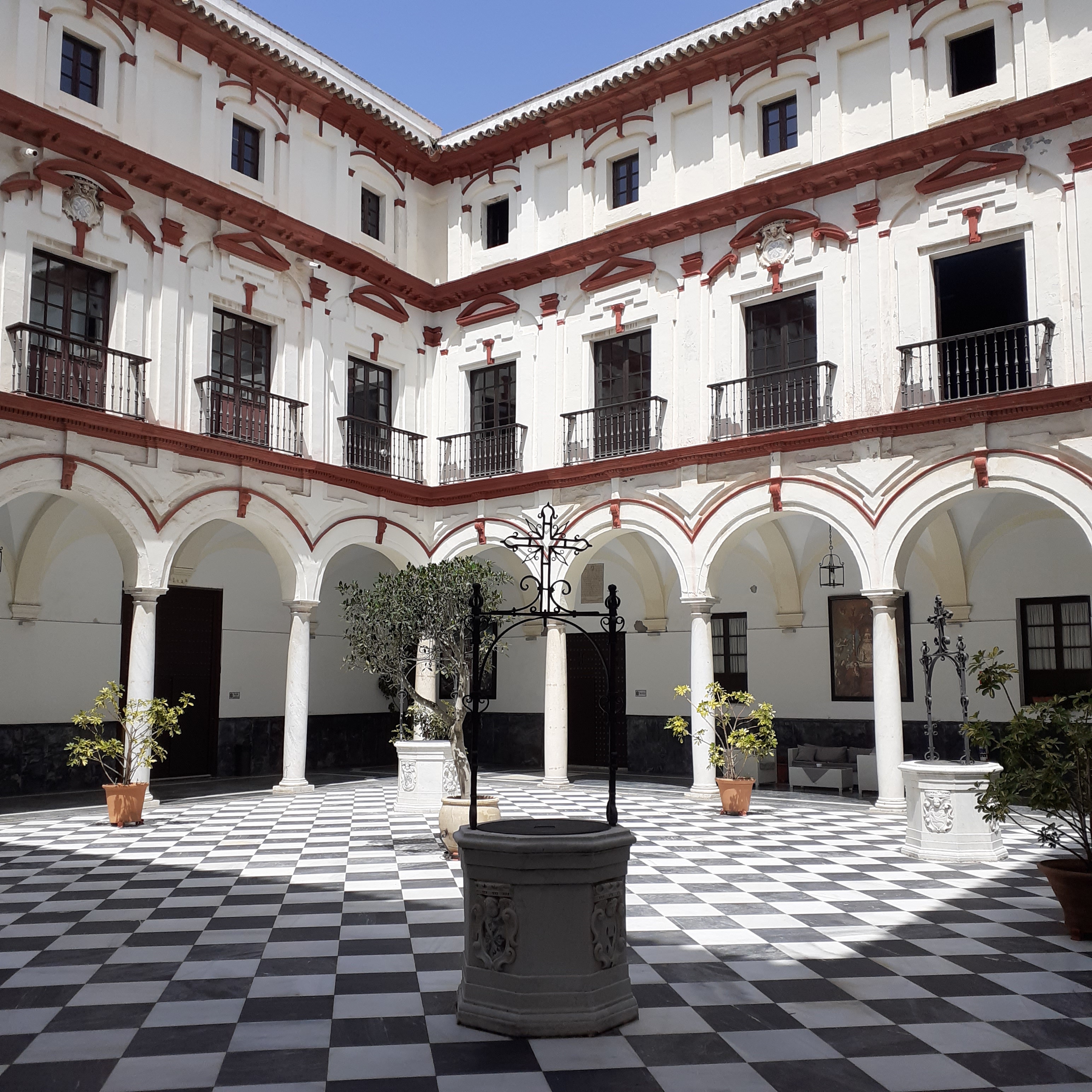
The train terminates at the port, adjacent to the city centre. Our hotel, Convento Santo Domingo, is only a hundred yards or so from the station entrance. Convento Domingo is a seventeenth century Dominican convent. It is a sight worth seeing itself, a priveledge for hotel guests. Inside, cloisters surround a tiled plaza, with an eerie soundtrack of Gregorian chanting monks adding to the atmosphere.
Then the door was open and the wind appeared
The candles blew and then disappeared
The curtains flew and then he appeared
Saying don’t be afraid
The singing monks, and some wine, suggest the song of the Blue Oyster Cult: Don’t Fear the Reaper. Written by Donald Roeser, it’s on their 1976 album Agents of Fortune.
Music persists outside the convent where we encounter a statue to La Perla de Cadiz. Antonia Gilabert Vargas was a Gitana flamenco singer. Born in Cadiz in 1924 she became famous throughout Spain for her voice of power and softness. She died in 1975. A club on the nearby seafront trades under her name
A few hundred yards further on through the Barrio we find Puertas de Tierra, a monument built in the eighteenth century along a remnant of the sea defenses which repulsed Napoleon in the Peninsular War of the early nineteenth century. Today it marks the border between the Old Town and Puerta Tierra, the modern city resort sprawling along the isthmus.
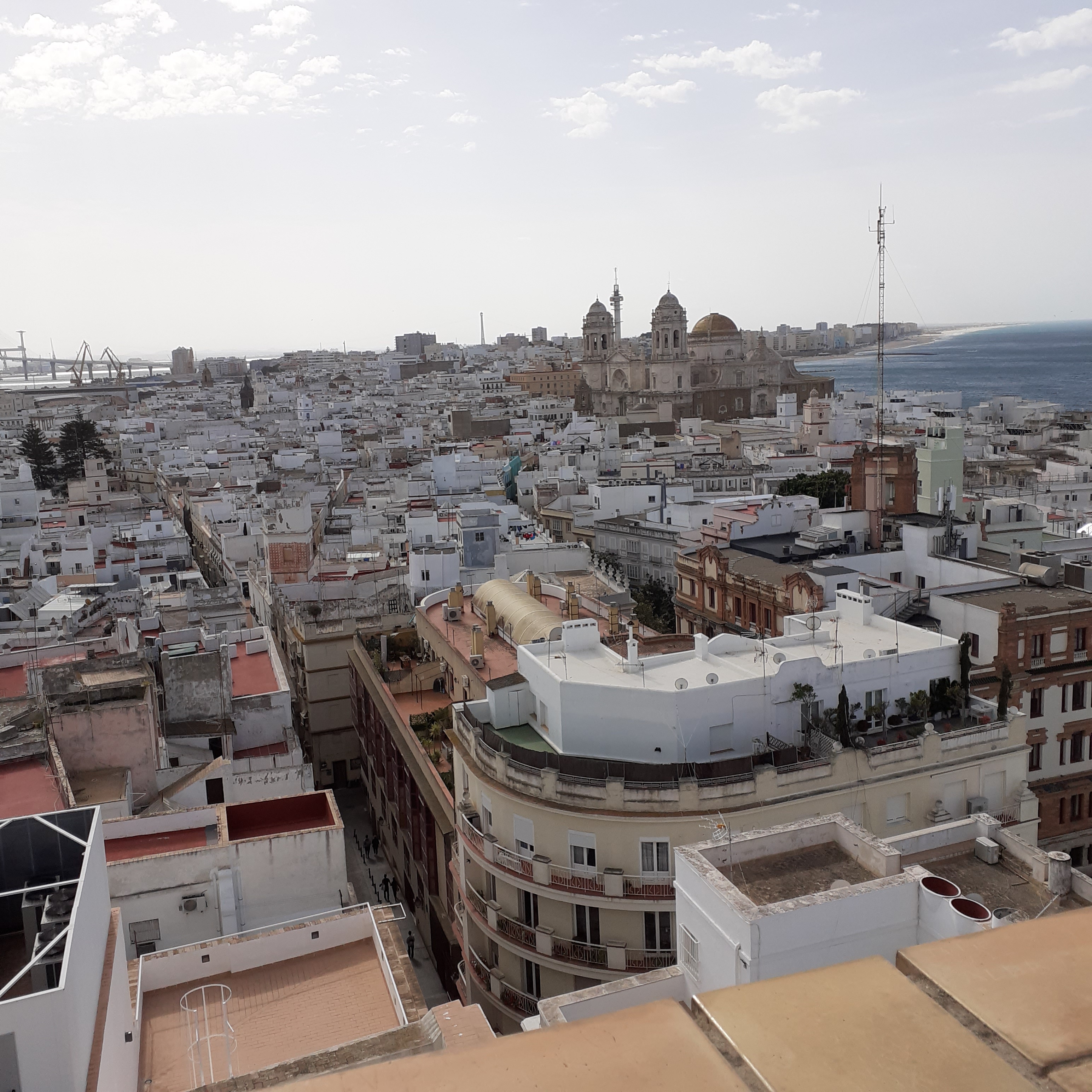
The weather is sunny but with a bracing sea breeze making it cooler than Seville. A couple of narrow, straight streets run lengthwise, Calle San Francisco and Sacramento being the main ones, with winding medieval lanes connecting. Many junctions broaden into small plazas, allowing people to congregate in comfort within the dense maze of streets. A roadway circles the Old Town, and broad footpaths and several sizeable green parks make for an easy escape from urban claustrophobia.
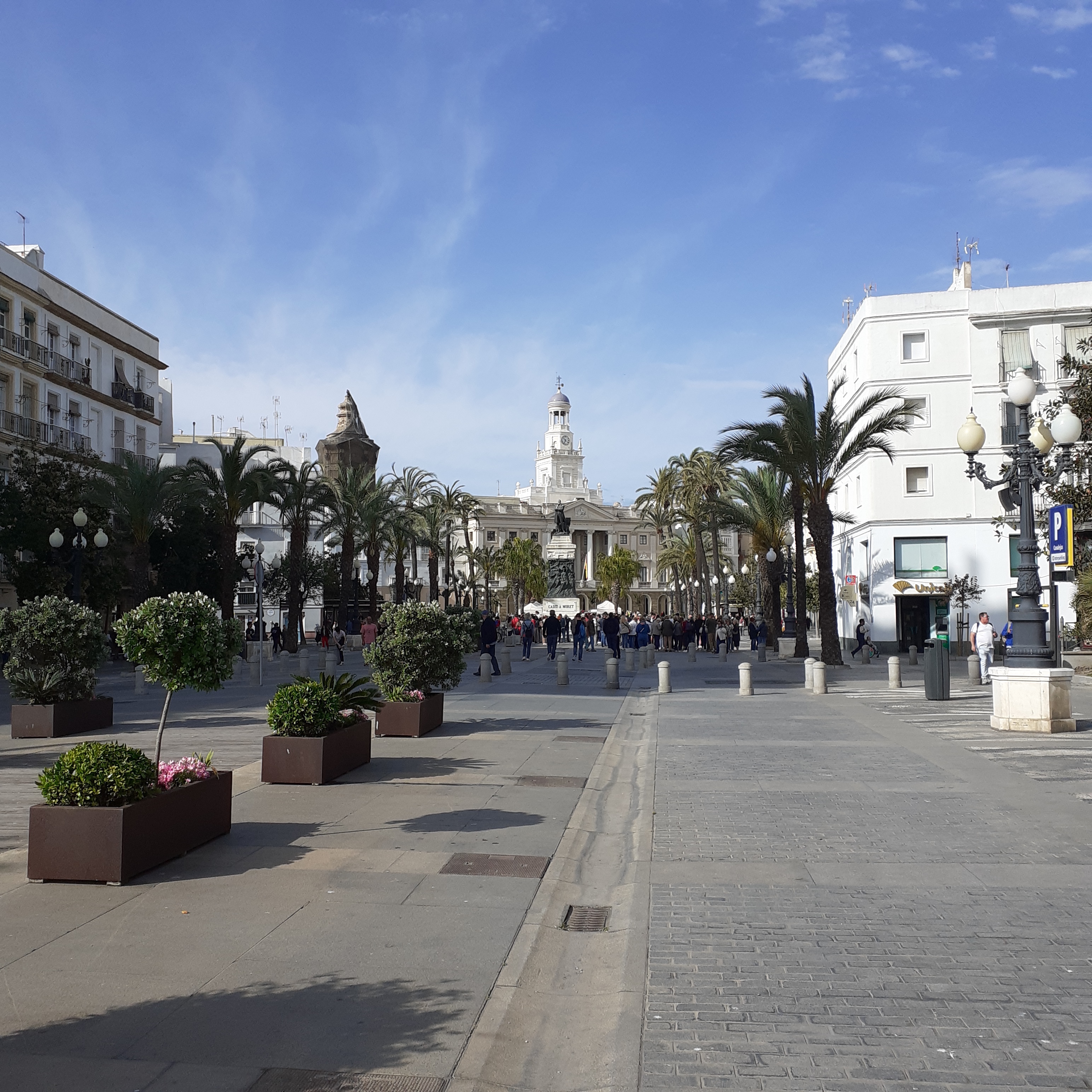
A short esplanade divides the port from the main square. Plaza San Juan de Dios is fringed with palm trees, bars and restaurants and focussed on the Old Town Hall, a fine Neo-Classical building from 1799. Taking Calle San Francisco we browse the shops all the way up to the Plaza San Francisco. We enjoy ice cream cones from a perch beside the hatch, where we can watch the world go by and youngsters playing ball against the walls of the church.
The next square up is the Plaza de Mina with the Museum of Cadiz. This includes an art gallery with works by Rubens and Murillo. Unfortunately the gallery was closed, something too frequently the case these days. Recent visits to Porto, Budapest and Edinburgh suffered from such partial or total closures. The Museum itself has a good display showing Cadiz’s history, with Roman statues and other archeological exhibits back to the Phoenicians.
A woman on the train advised us to seek out the Taverna Casa Manteca for lunch. We arrived in the evening when it is closed but chose instead a nearby taverna. The woman serving gave us a tour of the dishes on display so we could choose by a combination of pointing and miming. A bit like a game of charades, but without a definite resolution. I wondered what Pulpo was. Our host translated by flailing her arms while saying pulpo repeatedly. We decided against, but were given it anyway. It is Octopus, by the way, although sufficiently buried in its preparation and sauces as to give no hint of waving tentacles. It’s fine, shellfish are out for me but I can eat fish or squid. We liked it, and the generous mixed salad to accompany it.

We returned the following day to Casa Manteca, which means the House of Butter. It opened in 1953 and is dense with atmosphere, history and the aroma of good food. For Siesta it is thronged with people enjoying tapas and drinks. We try hake, and tortilla, which promptly arrives. The staff, though very busy, are good. Something of an old style pub atmosphere pervades. Wood pannelling throughout, the walls covered with flamenco and bullfighting photos and mementos.
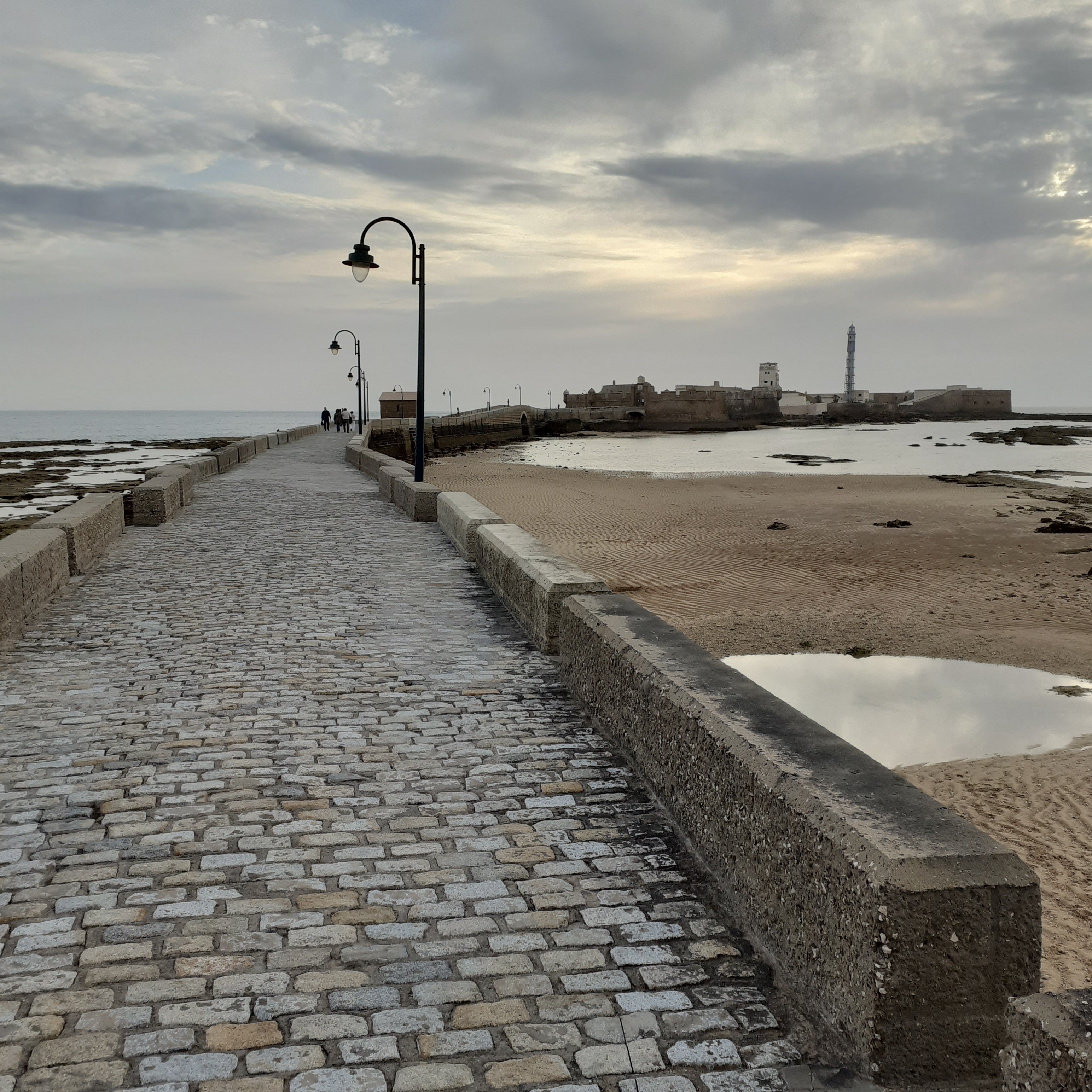
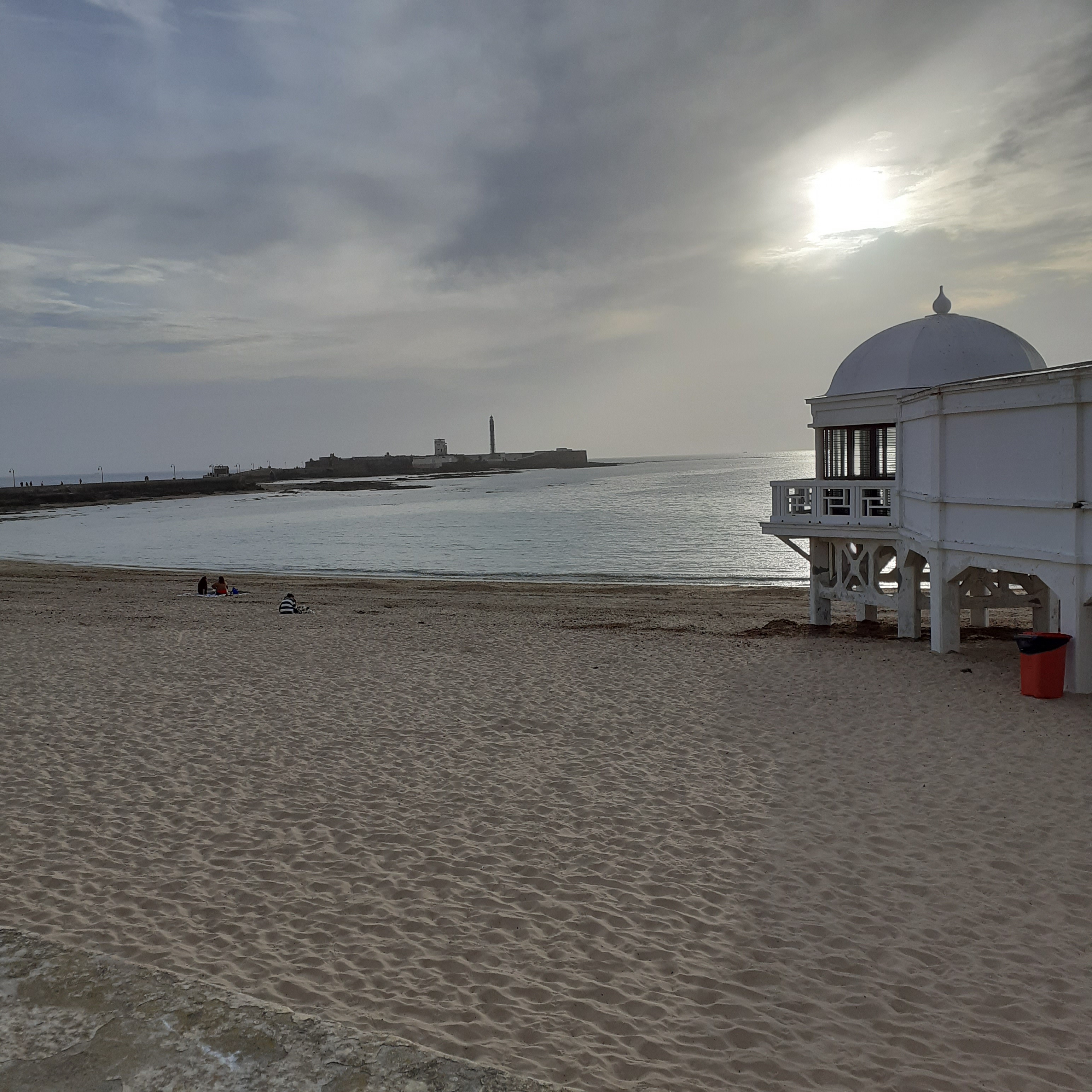
Nearby, the Playa de la Caleta, the city’s famous beach forms an arc between two fortified promintories. The longest terminates in Castillo San Sebastian, where the Phoenicians established their base three thousand years ago. The modern castle was built in 1700. Still a small island, it connected to the mainland by a stone causeway in 1860. A metal lighthouse was built in 1906, and soars to over forty metres. Unfortunately, the Castle and compound is closed to the public for renovations. The causeway is a recommended spot to view the sunset. It was cloudy when we arrived, but none the less scenic for that.
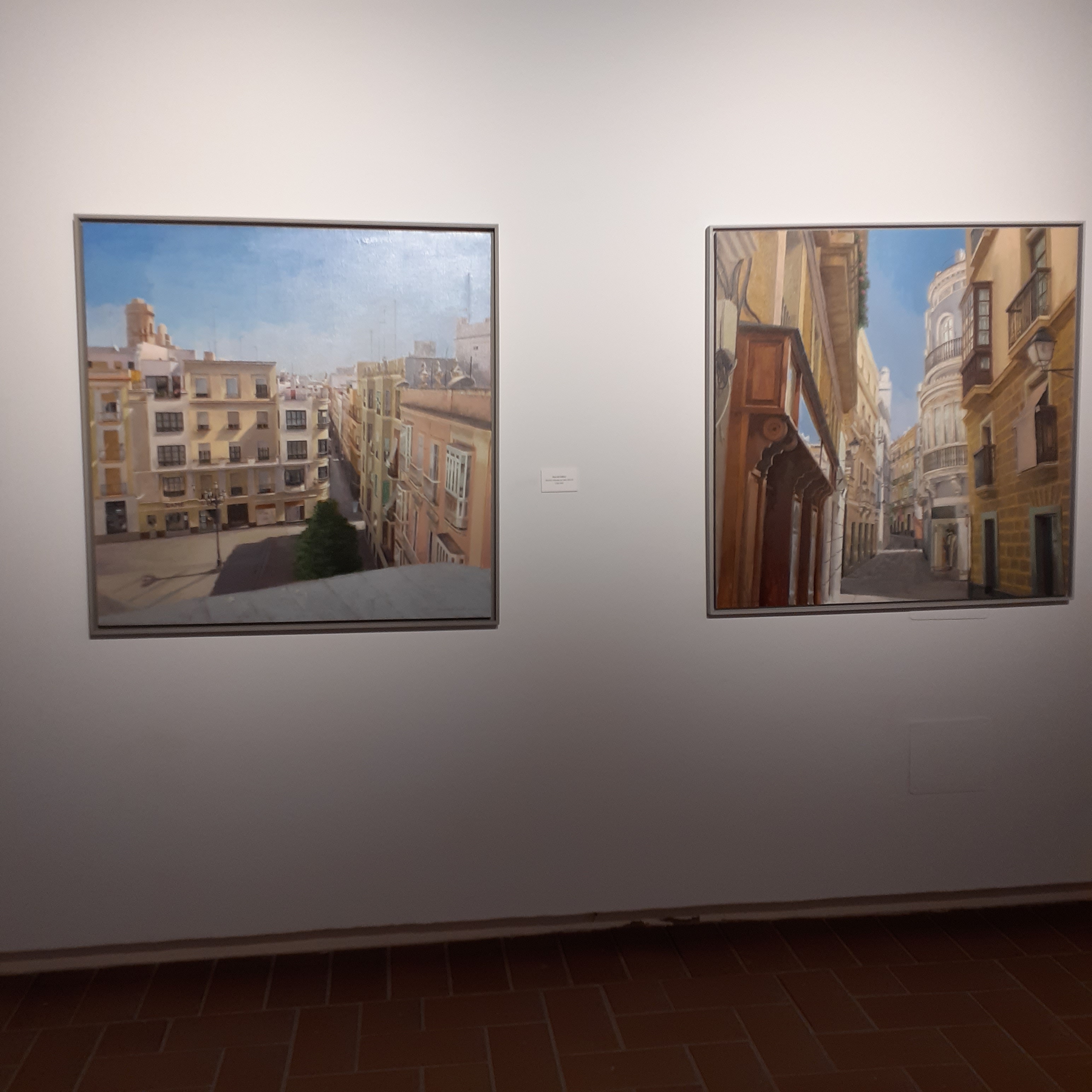
Castillo de Santa Catalina is Cadiz’z oldest fortress, built at the end of the sixteenth century. The small chapel came a century later. Inside the walls we step into another world. The past, for sure, but I also felt the thrill of being in a Salvador Dali townscape: Outskirts of the Paranoiac-Critical Town. Meanwhile, I half expected to see Clint Eastwood step out from a doorway and spark up a cheroot. The Castle was repurposed as a military prison for over two centuries until donated to the City in 1991. Now the buildings house art and cultural exhibitions. We were fortunate that our visit coincided with an exhibition by Fernando Devesa, La Verdad Sea Pintada, comprising stunning views of Cadiz and more intimate interiors. Fernando Devesa Molina is a local painter in his forties.His realist paintings are masterful, not just an exercise in rendering but full of warmth and vision; the truth is clear to see.

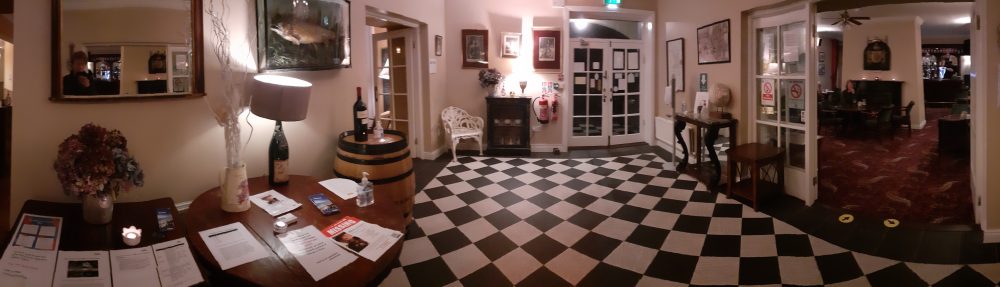
The beach centers on the nineteenth century baths. La Palma Spa gives an aura of Fin de Siecle opulence, though they are now a Nautical college. We walk all along the City coast, lined by parks and remnants of the ancient sea walls. Genoves Park is the largest, though we had to climb in over the railings. Nearby, the Murallas de San Carlos is one of the most scenic stretches of the sea fortifications. Alameda Park, known for its vast dragon trees, is a cool oasis of chequerboard tiles and shade. Stepping down from the walls, the Plaza de Espana is dominated by a monument to the 1812 Cadiz Constitution, erected a century later. We are back to the port and just a short walk from Plaza San Juan de Dios.
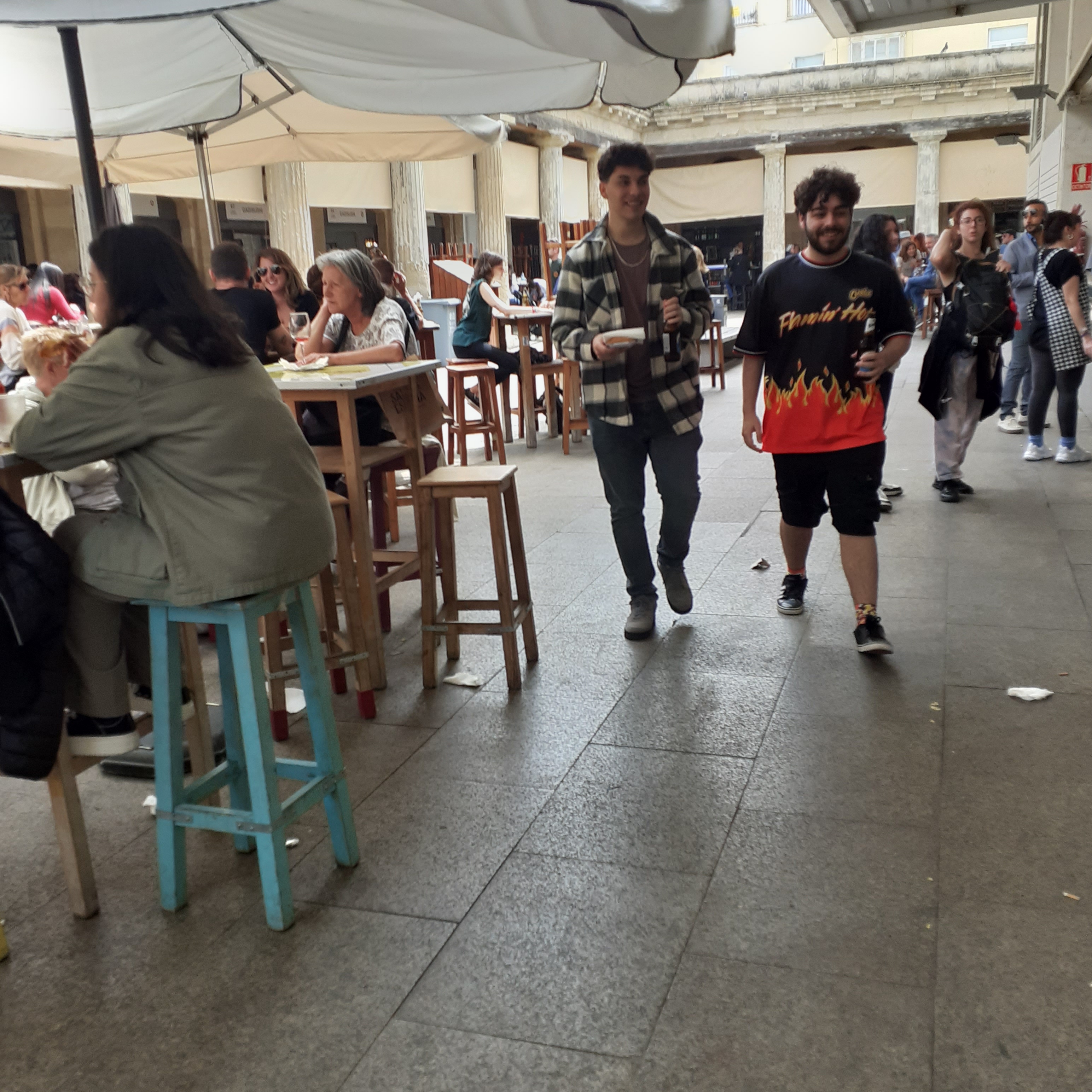
Calle Sacramento, another long shopping street that cuts through the centre of the Old Town can be reached via Catedral Square and Plaza de las Flores. The Central Market there is thronged with locals enjoying drinks and snacks from its many stalls. Nearby is the Tavira Tower. Built in the mid eighteenth century in a Baroque style, there are maybe a hundred such lookout towers dotting the skyline. Only this one is open to the public and is the highest vantage point in the Old Town at 150 feet. There’s a wonderful panorama from the roof. It was very windy when we visited, which only added to the spectacle. I could have done with guy ropes as I crept across the roof taking photos which I hoped would not be shaky. The Camera Obscura, just below, was far more calm, and the excellent guide gave a good account of the camera. She performed amusing tricks with the people passing through the busy market below and we wondered would we feature in one of her shows later on.
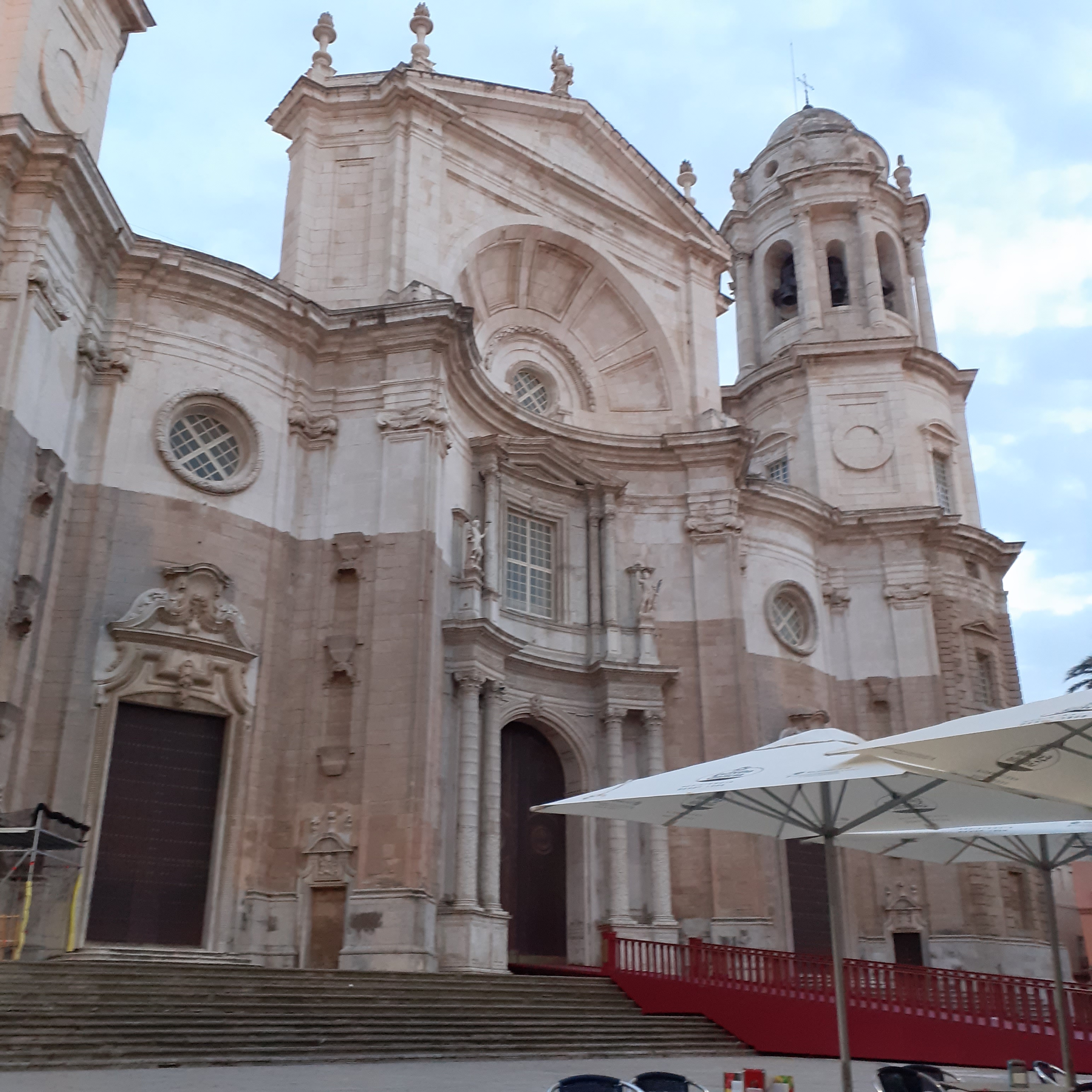
The Cathedral is Cadiz’s most iconic building, an impressive collage of different styles. It is known as the New Cathedral. The original Old Cathedral, near the Roman Theatre, was burnt down in the Anglo Dutch attack of 1598 and replaced in situ. Prosperity and population growth caused the city to propose a bigger cathedral and work began in the early 1700s. It took over a century to build, with several different architects, so the style shifts from Baroque to Rococo to Neo Classical. Its dome is clad in yellow tiles giving an impression of gold under the bright Andalusian sun.
Catedral Square on its inland side has a variety of bars and eateries. On the corner 100 Montaditos is useful for the budget conscious, with tapas and drink served at the counter. All are well thronged with diners, drinkers, passing tourists and locals, enjoying the wonderful vista, and each other. Cadiz seems to have achieved a reasonable balance between visitors and residents. The city feels lived in, enchanting and relaxed. Very friendly too, we found.
 xxharrison
I enjoyed Cadiz, we took the train there for a day from Seville. Great post, Shane.
Thanks Marion. It’s a handy train trip for sure. I would return to Cadiz anytime. Such a great atmosphere and steeped in history.
Your travelogue about Cadiz is captivating! It’s inspiring to read about your train journey and the vibrant sights and sounds you encountered along the way. Your vivid descriptions make me feel like I’m right there with you exploring the city.
Thanks Samantha for your kind words. I’m delighted when someone feels a part of the experience as you do. Cadiz is certainly something to be experienced. Looking forward to reading more from the Chronicles soon.
Hello! I am happy that you enjoyed visiting this little corner of the world. One thing, though. Presently, there are two cathedrals in Cadiz, the “new” one, which is the one you describe (Santa Cruz Sobre las Aguas), and the old one, Santa Cruz Church, which is very near the ancient Roman theatre and resembles a military fortification. The “new” cathedral was not built to replace an old cathedral that was destroyed during the Anglo-Dutch attack, the “old” one was. Just FYI, anyway. It is easy to get both cathedrals confused, especially when both temples bear the same name…
Thanks very much for your comment. I will make a correction soon. Cadiz certainly packs so much beauty and interest into its small space that one would need to visit more than once.