Leitrim – Lakes and Literature

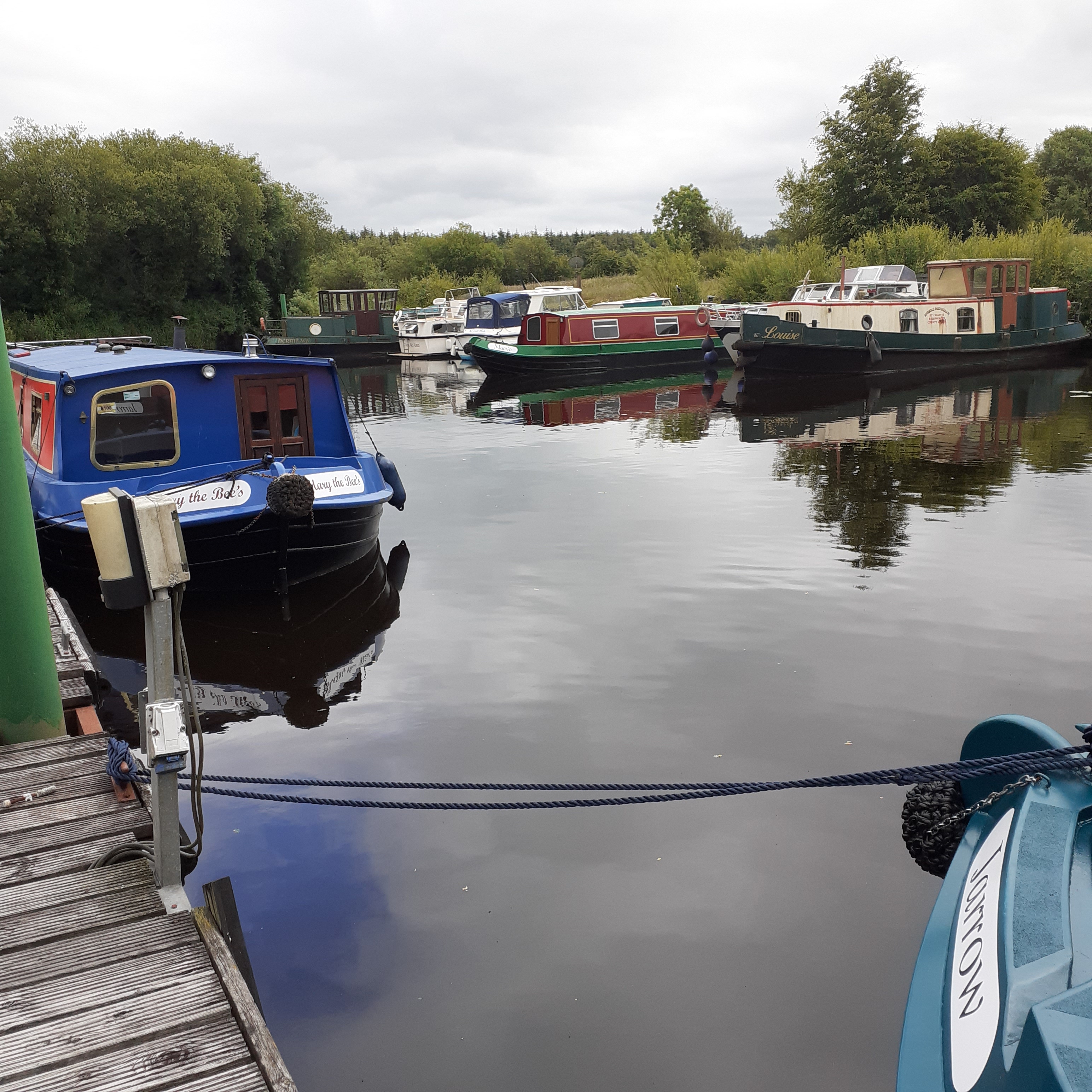
Myself and M took a couple of days in Leitrim in the middle of June. We booked into the Riversdale B&B just outside Ballinamore. It’s a lovely old house along the Shannon Erne Waterway with moorings for watercraft where there’s a boatyard for barge building and repairs. The property is on a farm with horses gambolling in the nearby fields.There’s a heated swimming pool, a gym, table tennis and a grand piano offering us a diverse range of pursuits. The drive took us about two and a half hours from Bray, with coffee and a snack in Edgeworthstown. We followed the main road as far as Dromod, turning off for Mohill and Fenagh, which is more direct than the backroad route proposed by Google.

In terms of population, Leitrim is Ireland’s smallest county with a population of thirty five thousand people. In pre famine times there were a hundred and fifty thousand people and a thriving mining industry. Ore mining continued from the sixteenth to the eighteenth century, with coal mining to the fore in the nineteenth century. The Arigna Mines across Lough Ree in County Roscommon are now a visitor centre. The last mine there closed in 1990. The population had dwindled to a mere twenty five thousand in the 1990s. So things are picking up.

A main attraction for us was the Ballinamore Walkway and Cycling trail, a four and a half kilometre walk to the town, taking about an hour. It’s mostly flat, being along a canal, and is an extremely pleasant route through woodland and farm. Near Ballinamore there’s a weir and lock with an attractive expanse of placid water in the shade of the trees. We come into the town through a small parkland circling the mooring spot for river craft, framed by its multi-arched stone bridge and quayside.
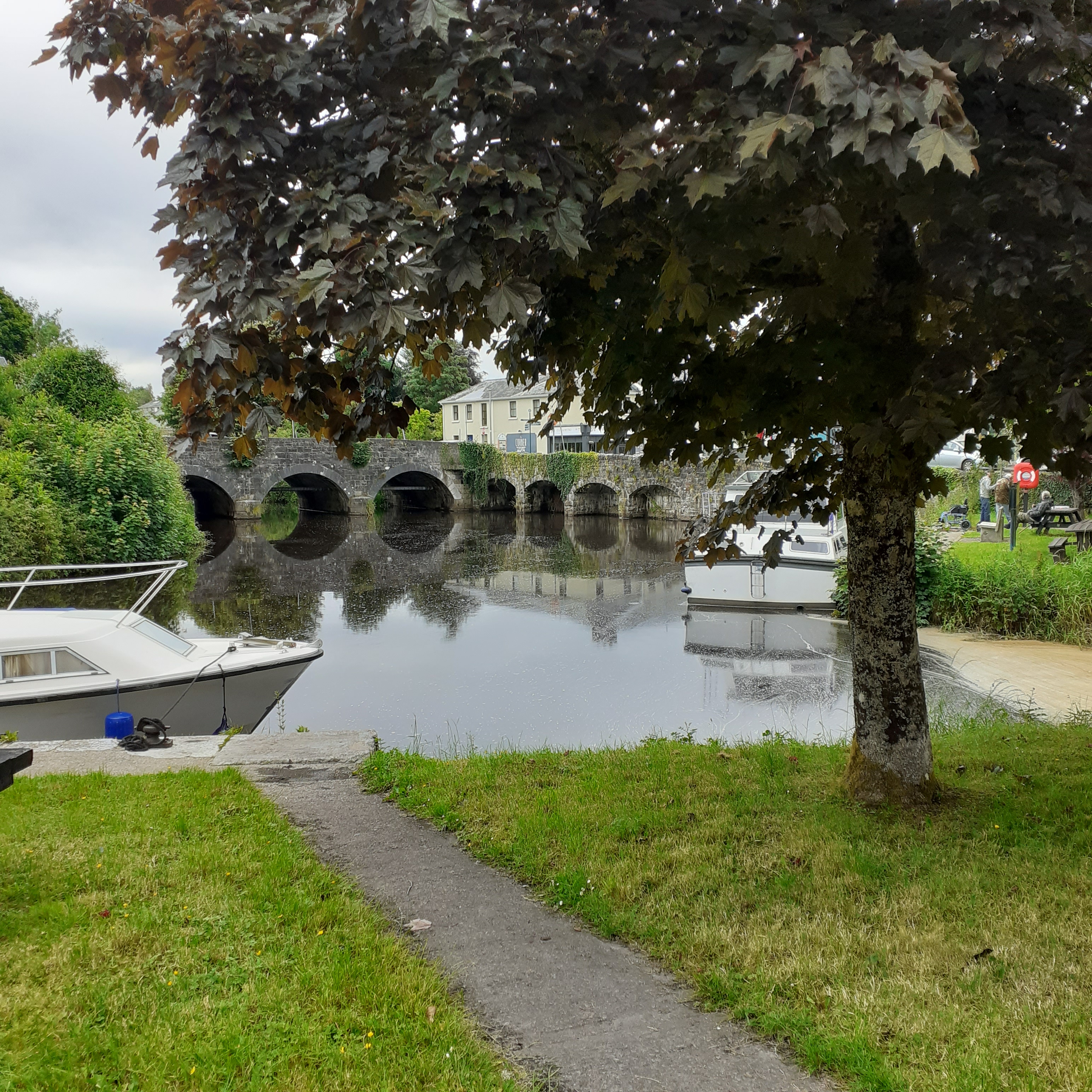
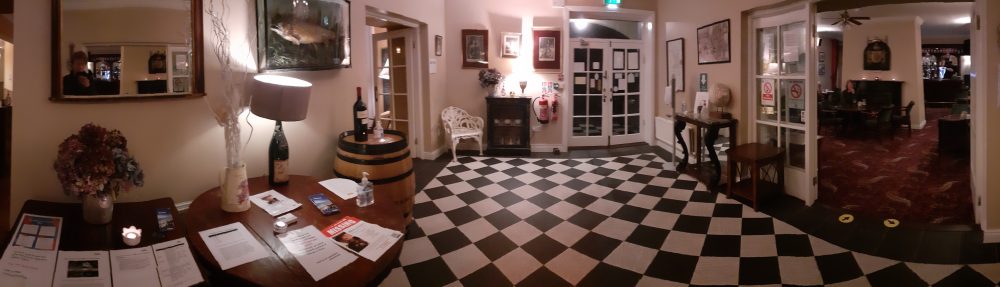
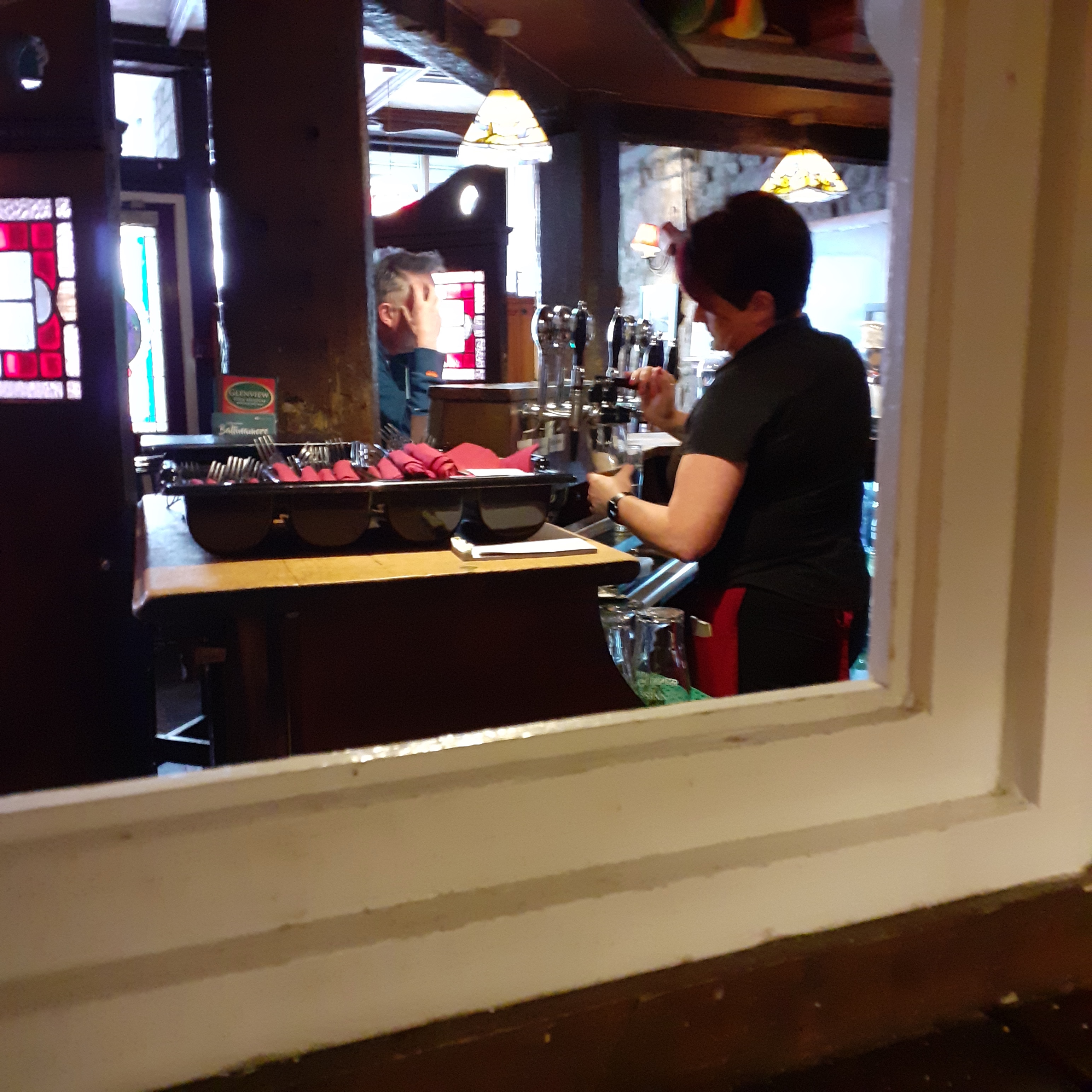
Ballinamore lies on the Yellow River, its main street rising up from the bridge. On the other side there’s a fine modern theatre, The Island, which as the name says occupies an island on the Shannon Erne waterway. The theatre hosts dramatic and musical events. Along Main Street, Smyth’s Pub, Siopa Ol as Gaeilge, is a traditional old pub serving good food and drink; and a lot of it. With friendly service and a relaxed atmosphere, it made for the perfect oasis at the midpoint of our walks along the waterway. 
The Shannon Erne waterway connects the Irish and Northern Irish canal and river network. The Shannon thereby becomes part of a navigable network through the midlands and connecting Dublin with Lough Erne and Enniskillen in Northern Ireland. It was built in 1840 but fell into disuse after the coming of the railway and the automobile. The railway once ran through here connecting the Dublin Sligo line to Ulster. It operated from the 1880s to 1959, when much of Ireland’s secondary rail network was decommissioned. The canal, however, came back and the restored waterway reopened in 1994.
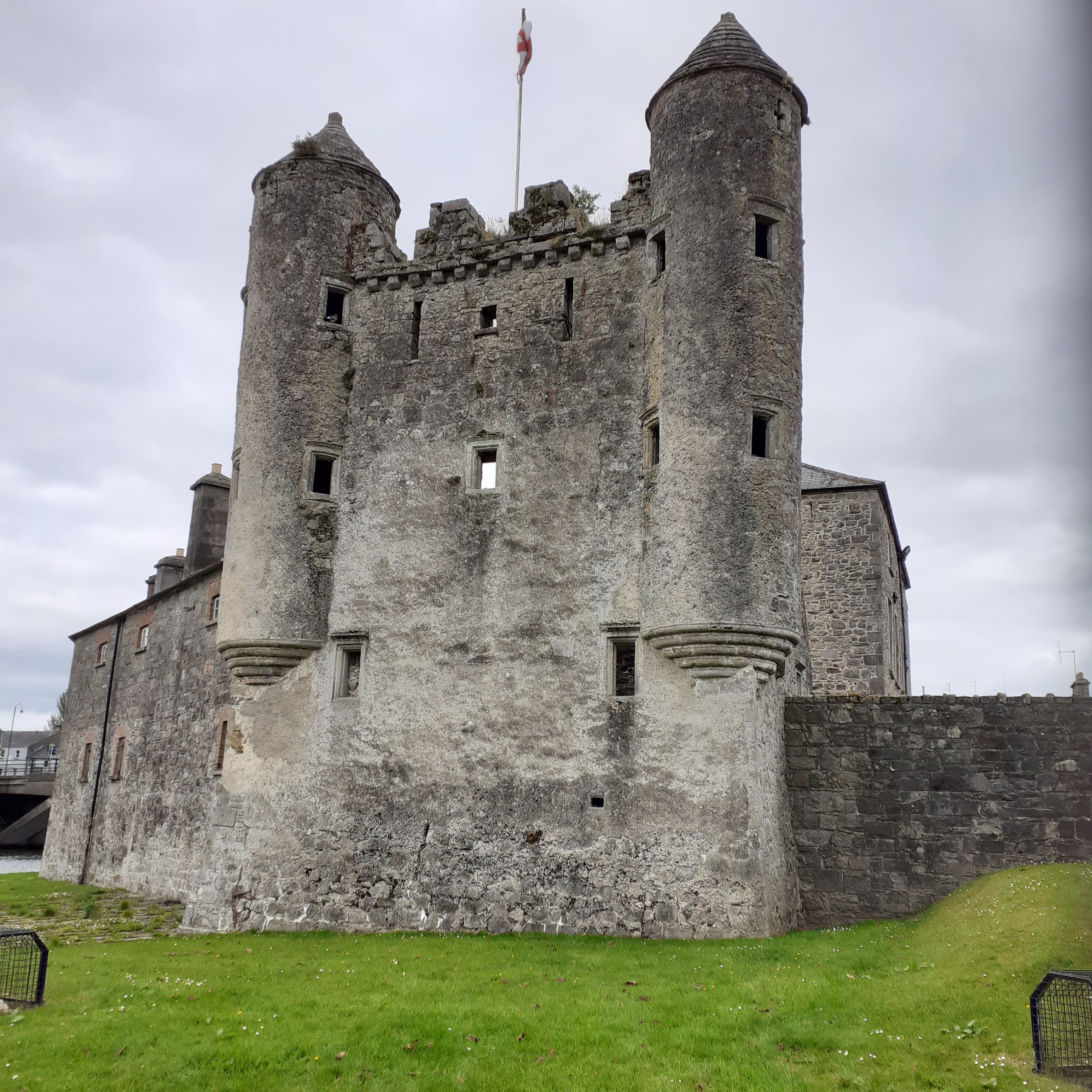
It’s a short drive from here to Enniskillen in Northern Ireland. Enniskillen is situated between Lough Enrne Upper and Lower and is located on an island. Enniskillen Castle stands on the Lough shore. It was built in the early fifteenth century by the local chieftains, the Maguires, but fell into English hands at the start of the seventeenth century with the occupation and plantation of Ulster. There is substantial free parking on the edge of town and it’s a short walk up to the main street marked by the spires of the main denomination churches. 
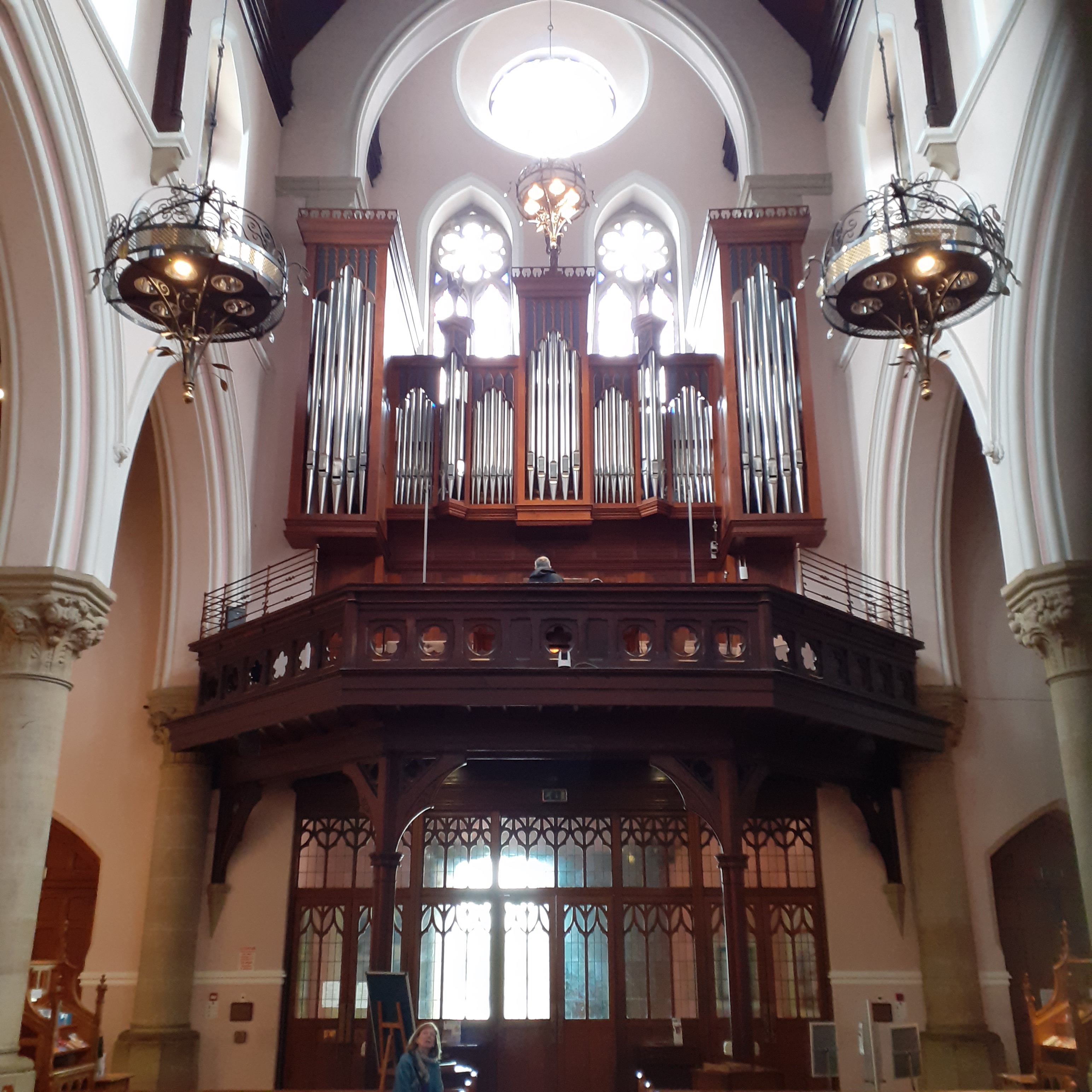
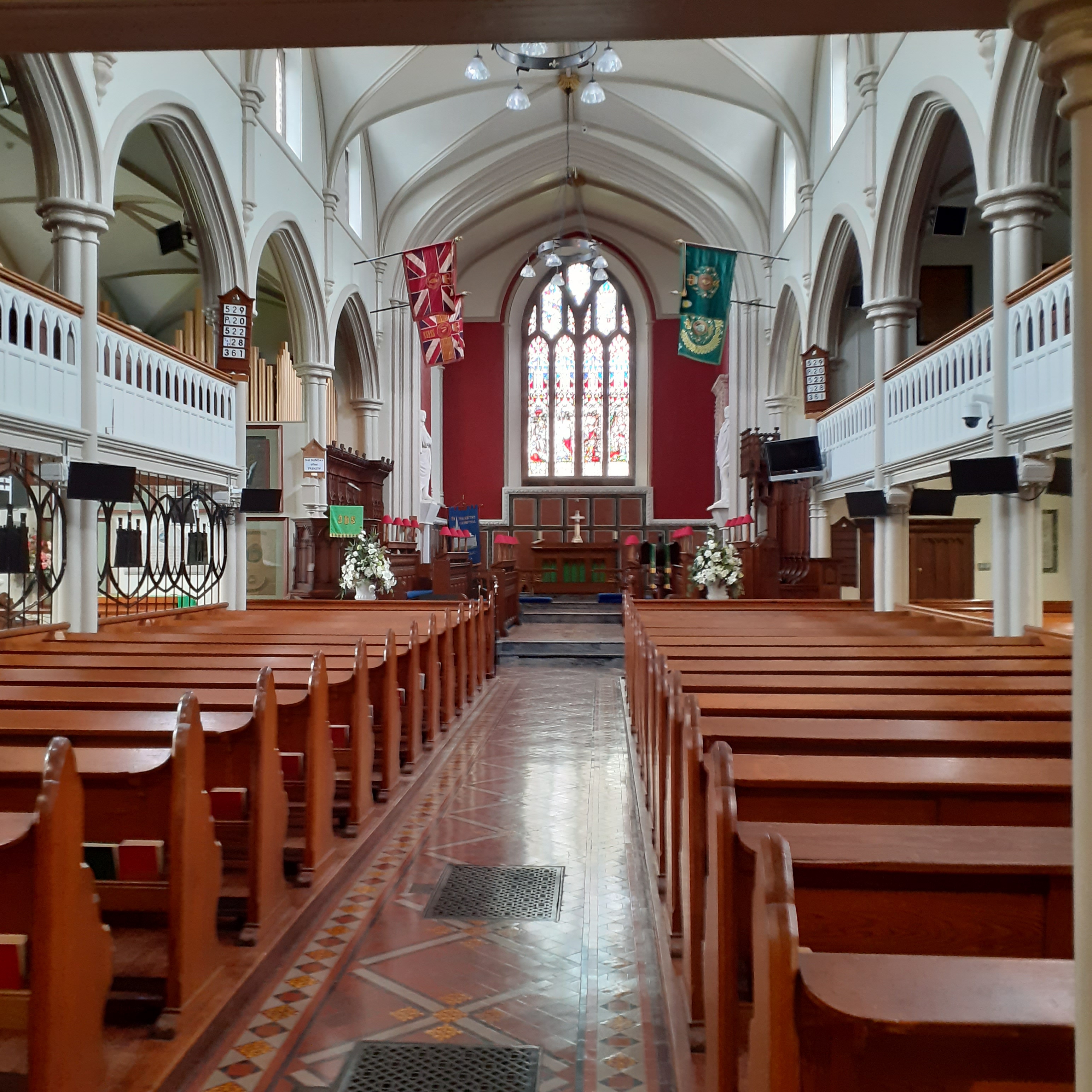
The Catholic St Michael’s dates from the 1870s and is built in the Gothic Revival style. It is preparing for mass, and the huge organ blasts into life as we enter, which is very exhilarating. Right across the street, the Protestant (CofI) church is smaller and looks older. St Macartin’s Cathedral is on the site of the first Protestant church built here in 1627. The current building dates from 1842. The main street follows the line of Chruch Street, High Street and Town Hall Street.the Town Hall crowns the island’s highest point. It was built in the 1880s replacing its dilapidated predecessor. The six storey copper domed tower forms a distinct landmark. The Clinton building marks the end of town, built overlooking the site of the Remembrance Day bombing by the IRA which killed twelve people in November 1987. The bombing further alienated the IRA and is often seen as a watershed of the Troules with democratic processes coming to the fore.
There are plenty of bars, cafes and eateries on or off the main street including William Blakes, Crowe’s Nest and Granny Annie’s. We eat at the Firehouse, which is as warm as the name implies and friendly. They serve us from the lunch menu too, although we were late.
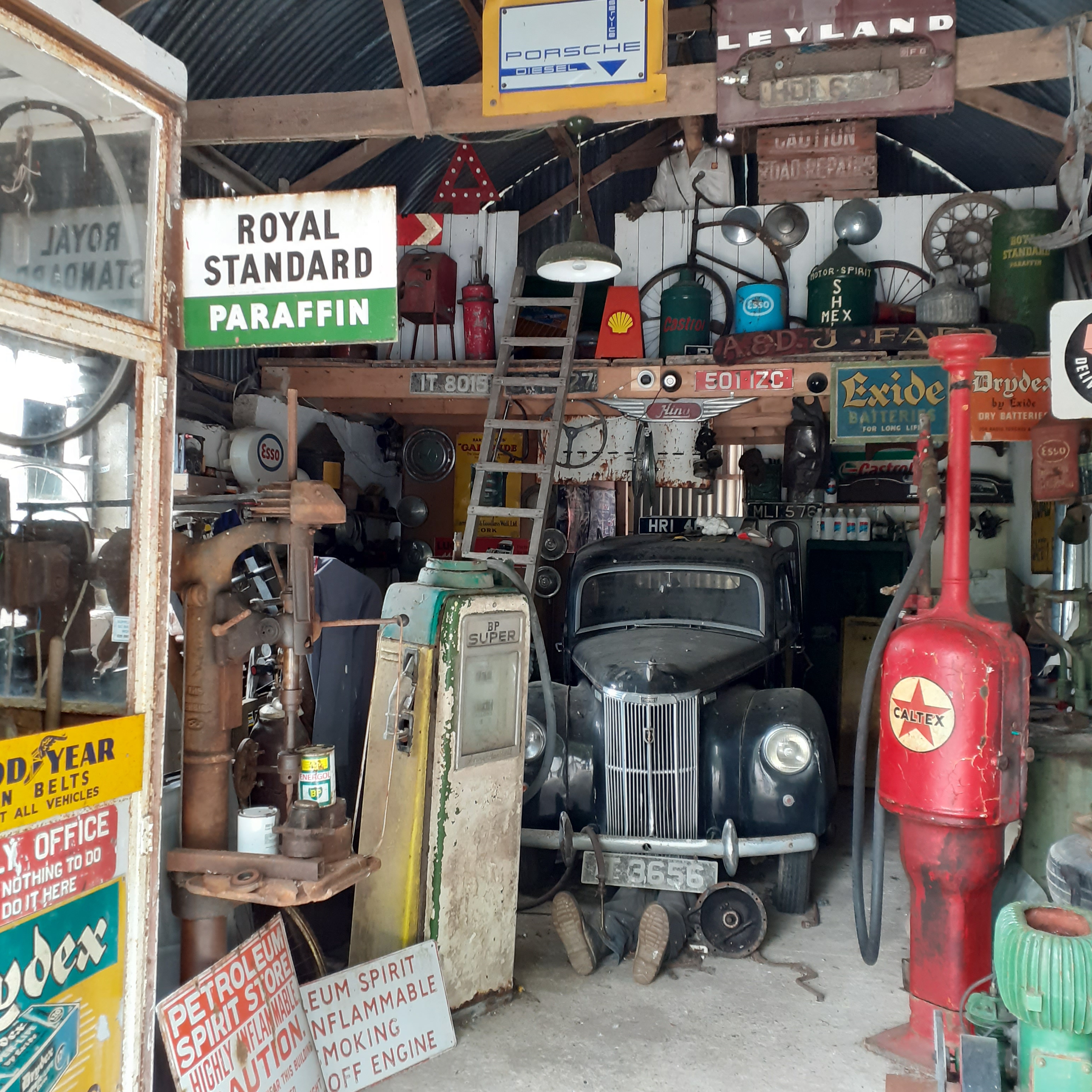
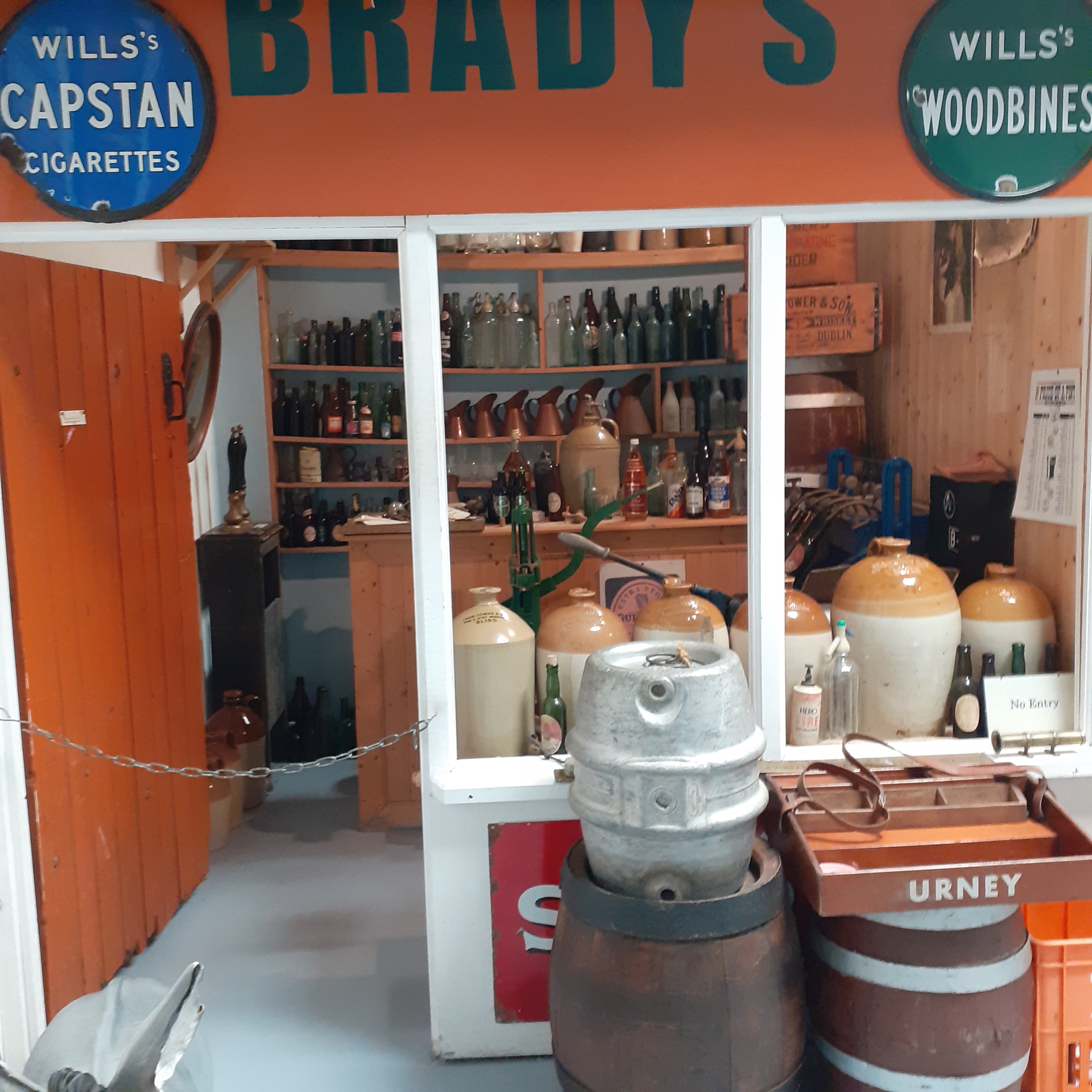
Next door to Riversdale, is the Glenview Folk Museum. This was founded at the start of the century and is run by the Kennedy family. It houses a wonderful collection of social and cultural paraphernalia. We popped over in the morning and ran into Brian Kennedy who gave us a personal tour with a few other couples. The collection is grouped around such community focal points as the pub, the general store, transport and farming life. I can actually remember some of these ancient displays, forgotten brands quaint production methods emerging from my X files. For younger viewers it must be mind bogglingly weird. Brian is an affable host, rich in anecdote and with all the enthusiasm you would expect from someone who has so loveingly and skillully prepared these displays. 
A section is devoted to writer John McGahern. Born near Ballinamore in 1934, by the end of the century he was seen as one of Ireland’s greatest living authors. But, as Brian points out, it had not always been so. McGahern became a primary school teacher, teaching at Clontarf in Dublin. When his second novel The Dark was banned, he was fired from his post by Archbishop McQuaid. For writers, being banned was something of a badge of honour, Brian O’Nolan complainerd that his career suffered due to the ignominy of never being banned. For Mcahern though, censorship of his book meant that he lost his job. He actually was cancelled. He returned to Leitrim, buying a farm near Fenagh. His last two books Amongst Women and That They May Face the Rising Sun(2002) secured his reputation at home and abroad. He died in 2006.

Brian Kennedy dwells on his marginalisation as a literary figure. A poster on display includes the usual suspects Joyce, Beckett, Yeats and Behan, though not McGahern. As with much artistic pursuits such perspectives change with time, and I imagine most literary fans would include McGahern on their own Rock Dreams poster.
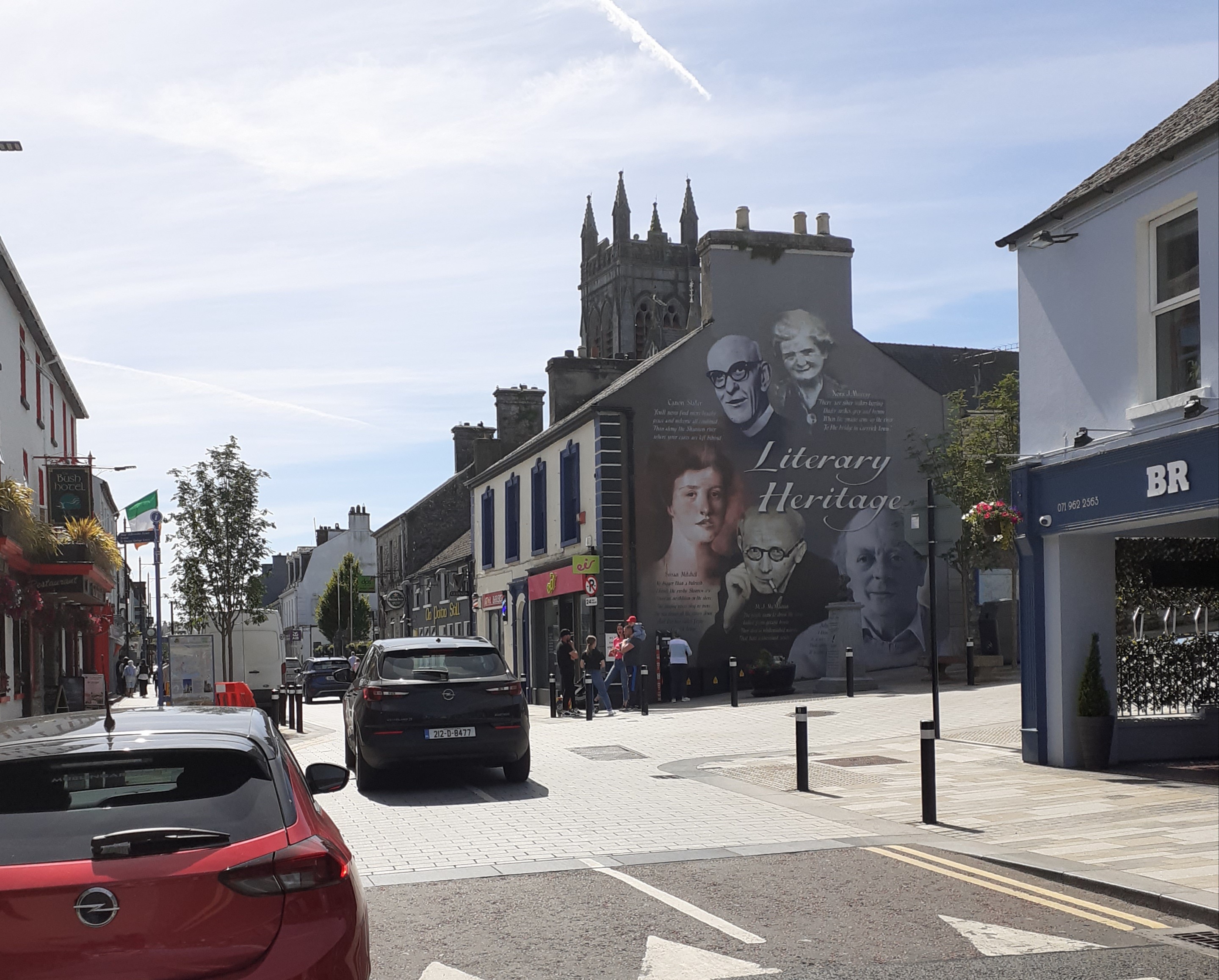
We pass through Carrick on Shannon on our drive home. Carrick is Leitrim’s county town, with a population of 4,700 people. It is one of the fastest growing towns in the country, developng a thriving tourist industry based on the amenity of the River Shannon. There is a palpable buzz about the town during the summer. We stop for a coffee at a colourful pavement cafe, VDA. Down the street we notice a fine gable end mural of the county’s literary heritage. Painted by artist Nik Purdy in 2020 it includes such writers as Susan Mitchel, Canon Slator, Nora Murray, M.J.McManus and, of course, John McGahern.

Andalusia – 10. Cadiz to Marbella by Bus

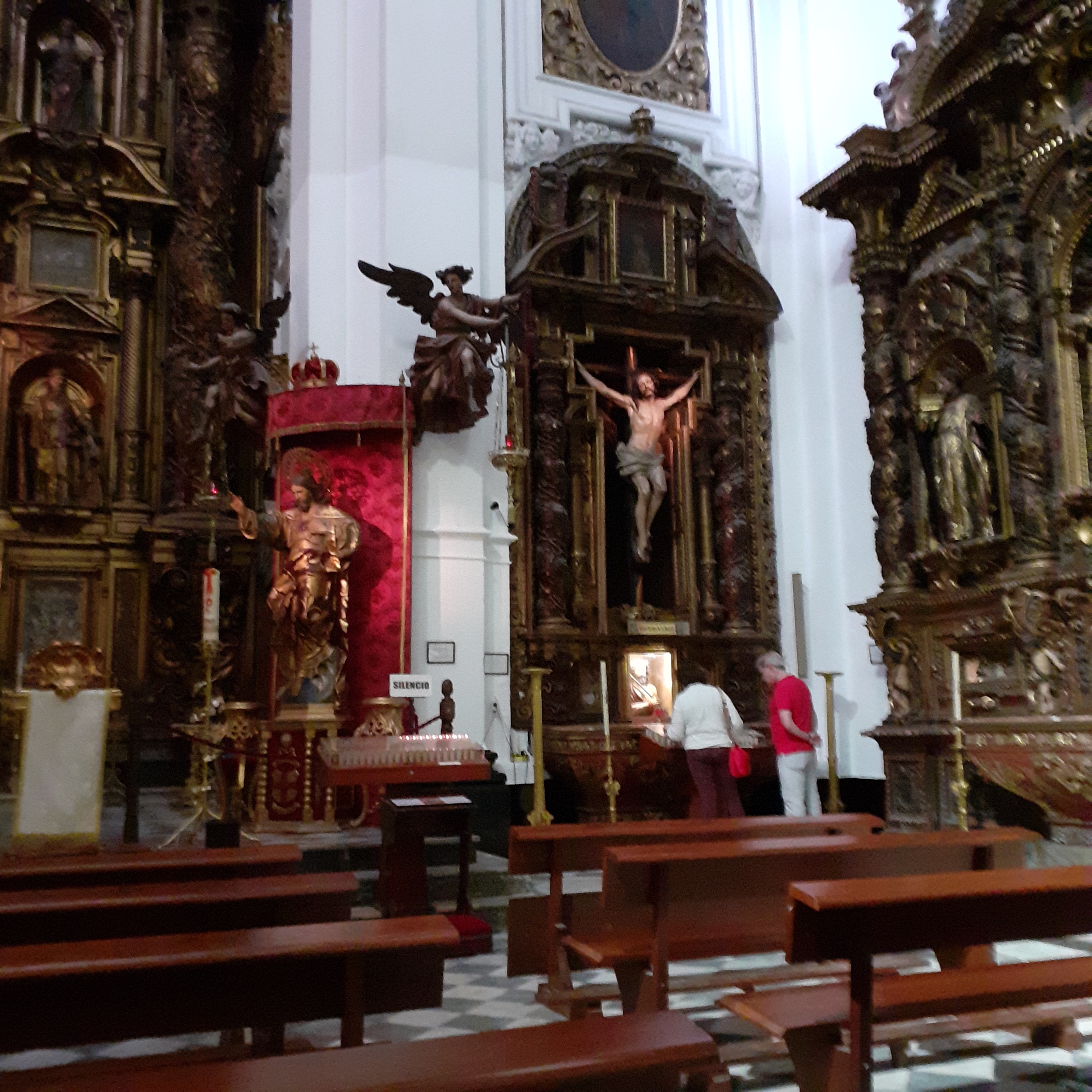
Our recent tour of western Andalusia took us from Seville to Cadiz by train, and we then got a bus from Cadiz to Marbella. This was a three and a half hour journey with a number of stops on the way. There are usually two or three busses per day and it cost €56 for the two of us. We booked for the two o’clock departure giving us a relaxed final morning in Cadiz. We had breakfast in Cathedral Square and strolled around a bit, visiting the Church of Santiago across from the Cathedral. This was a Jesuit church built in 1563 but destroyed by English and Dutch invaders at the end of that century. Rebuilt in the Baroque style it eatures exuberant interior decoration with ornate baroque altarpeices from the seventeenth century populated by lifelike clothed statuary. We dallied on the main square before picking up our bags and one last cup of coffee for the road, near the statue of the Pearl of Cadiz. 

Your sister sees the future like your mama and yourself

You’ve never learned to read or write, there’s no books upon your shelf

And your pleasure knows no limits, your voice is like a meadow lark

But your heart is like an ocean, mysterious and dark

One more cup of coffee for the road

One more cup of coffee ‘fore I go

To the valley below

One More Cup of Coffee is from Dylan’s 1976 album Desire, also featuring Emmylou Harris on vocals. There is a strong Gypsy inluence in the narrative, and Dylan’s vocal style borrows from traditional Jewish singing. Meanwhile the Valley Below is common to all travellers who find themselves moving on.

The bus station is beside the rail station so it was a short walk. The weather is wet and cool, a bit like home. The bus heads on through the modern extension to the city of Cadiz, then along the connecting isthmus to the mainland. This part of the city is built up with medium rise hotels lining a long sequence of beaches such as Playa de la Santa Maria and Playa de la Victoria. Farther on is a grubby industrial area. The urbanisation extends to Chiclana de la Frontera famous for La Barrossa beach. It has a population of 80,000 and is also on the railway line connecting to Cadiz, Jerez, Sevilla and Madrid. After that there’s Conil de la Frontera a traditional white town of about twenty thousand people. This too is famous for its beaches and is a popular destination for Spanish holidaymakers.

Then we head towards Tarifa on the Costa de la Luz. Spain’s southernmost point is a magnet for windsurfers. It is very windy owing to the Venturi effect which funnels the wind passing through the Strait of Gibraltar separating Spain from Africa. Algeciras is next. With a population of 120,000 it is one of the largest ports in Europe. It is also a ferry port for Tangier and other North Arican ports, and the Canaries too.

Leaving Algeciras we pass Gibraltar, the high Rock suspended in the clouds. Gibraltar was captured by an Anglo Dutch fleet during the War of the Spannish Succession, it was granted to Britain in 1713 at the Treaty of Utrecht. Besides the British, Gibraltar is occupied by monkees. These are Barbary macaques, numbering about three hundred and the only European wild monkees, not counting ourselves. The scenic coastal mountains rear out of the gloom, scratching some welcome blue swathes in the sky. Estepona is the last stop before Marbella.

The way it is long but the end is near

Already the fiesta has begun

The face of God will appear

With his serpent eyes of obsidian

Marbella bus station is outside the city centre. We had originally booked a hotel, but cancelled and opted to head straight for the villa. The taxi from the station cost €20 and deposited us in Elviria central. The sun made a welcome appearance and after shopping we had pizzas and pints outdoor on the square. We did make a trip into Marbella the next day taking the local bus and spending a leisurely few hours walking up the coast towards Puerto Banus, where the rich folk go. We returned to eat at Canuto in Marbella with good local tapas. We walked the six miles home along the beach in hot sunshine and high waves. At last we reached our favourite stop in Elviria. The Lido Bar along the beach has become our sunset bar, the perfect place to relax over a few drinks, or a bight to eat. We fade into the spectacular coastal scenery looking out over the Mediterranean, Africa beckoning just beyond the lip of the horizon.

No llores, mi querida

Dios nos vigila

Soon the horse will take us to Durango

Agarrame, mi vida

Soon the desert will be gone

Soon you will be dancing the fandango

Romance in Durango is also on Dylan’s album Desire.

Andalusia – 9. Cadiz by Train

We take the train from Seville to Cadiz. There’s a train every hour or so and the hundred kilometre journey takes an hour and a half. Santa Justa Station is an ugly carbuncle on unkempt wasteland on the edge of the city. But once inside it is clean and functional and there are plenty of seats on the main concourse with cafes and eateries. We travel along the eastern Guadalquivir valley heading south through Sherry country. The fortified wine takes its name from Jerez de la Frontera, close to our destination. Further on, we enter the swamplands on the Bay of Cadiz and standing proud in the sea, the city of that name. 

There’s a Spanish Train that runs between

Guadalquivir and old Seville

at dead of night the whistle blows

and people fear she’s running still

Spanish Train and Other Stories, Chris De Burgh’s 2nd album from 1975.

Cadiz occupies a small peninsula jutting into the Bay. Initially it consisted of two islands but over the years they have joined and connect to the mainland via bridges and an isthmus. The spectacular La Pepa Bridge looms over the port. It is the longest cable stayed bridge in Spain at five kilometres. It was named as the Constitution of 1812 Bridge, planned for completion on the bicentenary of the launch of Spain’s first constitution in Cadiz. This briefly established a democracy which was crushed by the monarchy two years later. As for the bridge, the economic crisis added another three years before completion in 2015.

Cadiz is often touted as Europe’s oldest city. As with Seville, Hercules is claimed as the mythical founder, his name also used for the Pillars of Hercules guarding the entrance to the Mediterranean  farther East. More historically, three thousand years ago the Phoenicians set up shop here. They came from Tyre, in modern Lebanon, and named the settlement Agadir, derived from their word for wall, signifying a stronghold. Agadir is also the name of a Moroccan city, although the Spanish port’s name has mutated to Cadiz over the years.

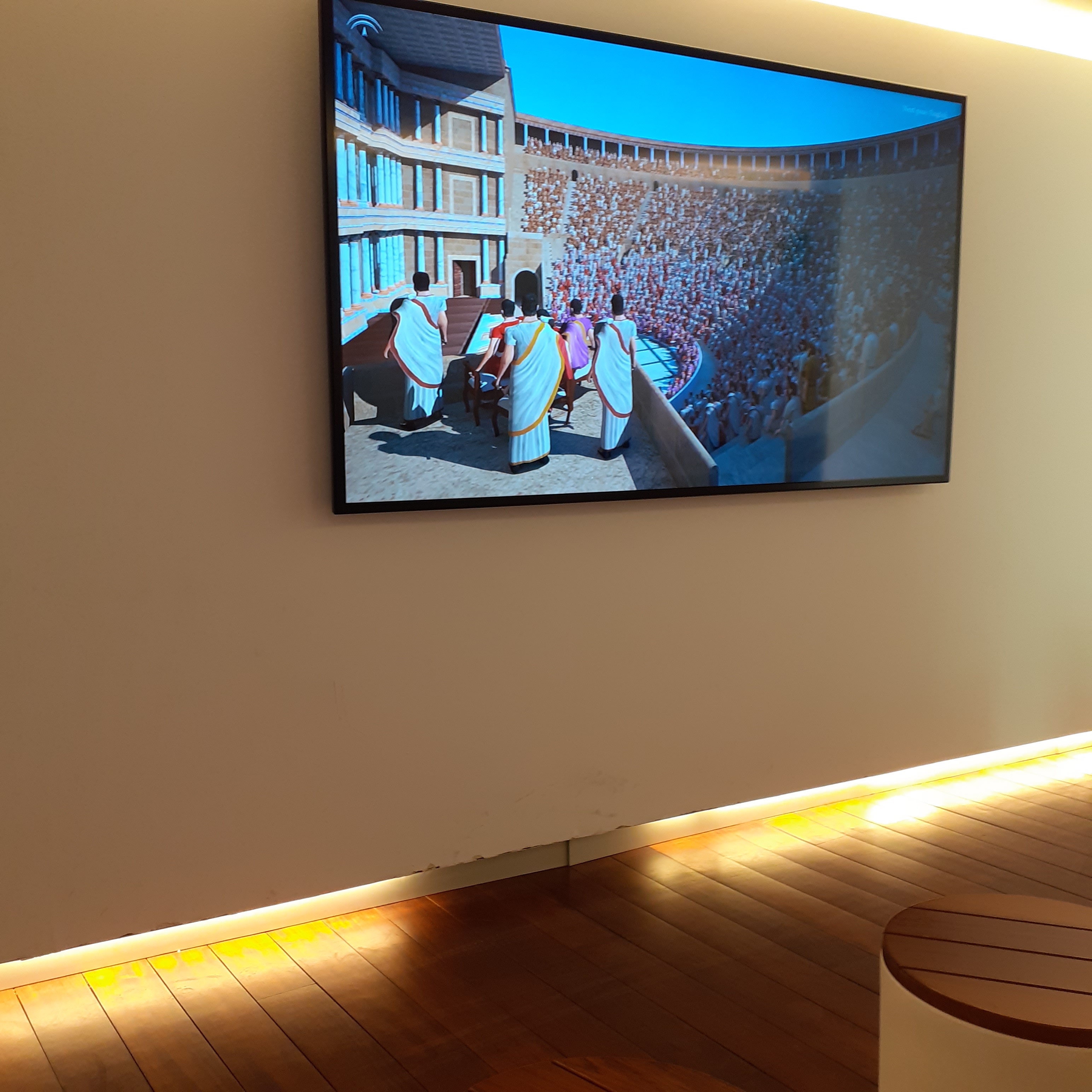
Carthaginians and Romans followed. The Roman city of Gades was established on the southern island. Remnants of its ancient theatre survive and there is an excellent visitor centre showing a visual reconstruction, with ancient artefacts and a fascinating historical narrative. The Theatre was founded by Lucius Cornelius Balbus in the first century BC and only rediscovered in 1990. It is the largest known outside Pompeii and housed up to ten thousand spectators. Entrance is free for EU residents. It is close to the Plaza de la Catedral, via the Arco de la Rosa, one of the ancient gates of the city.

Cadiz fell under Muslim control between 711 and 1262 when the Reconquista confined the Moors to the Nasrid Kingdom of Granada. The fall of Granada in 1492 coincided with Columbus’s adenture in America, and the Conquistadors who followed established a lucrative transatlantic trade for the Spanish crown. Cadiz thrived during the eighteenth century as Spain’s designated transatlantic port.

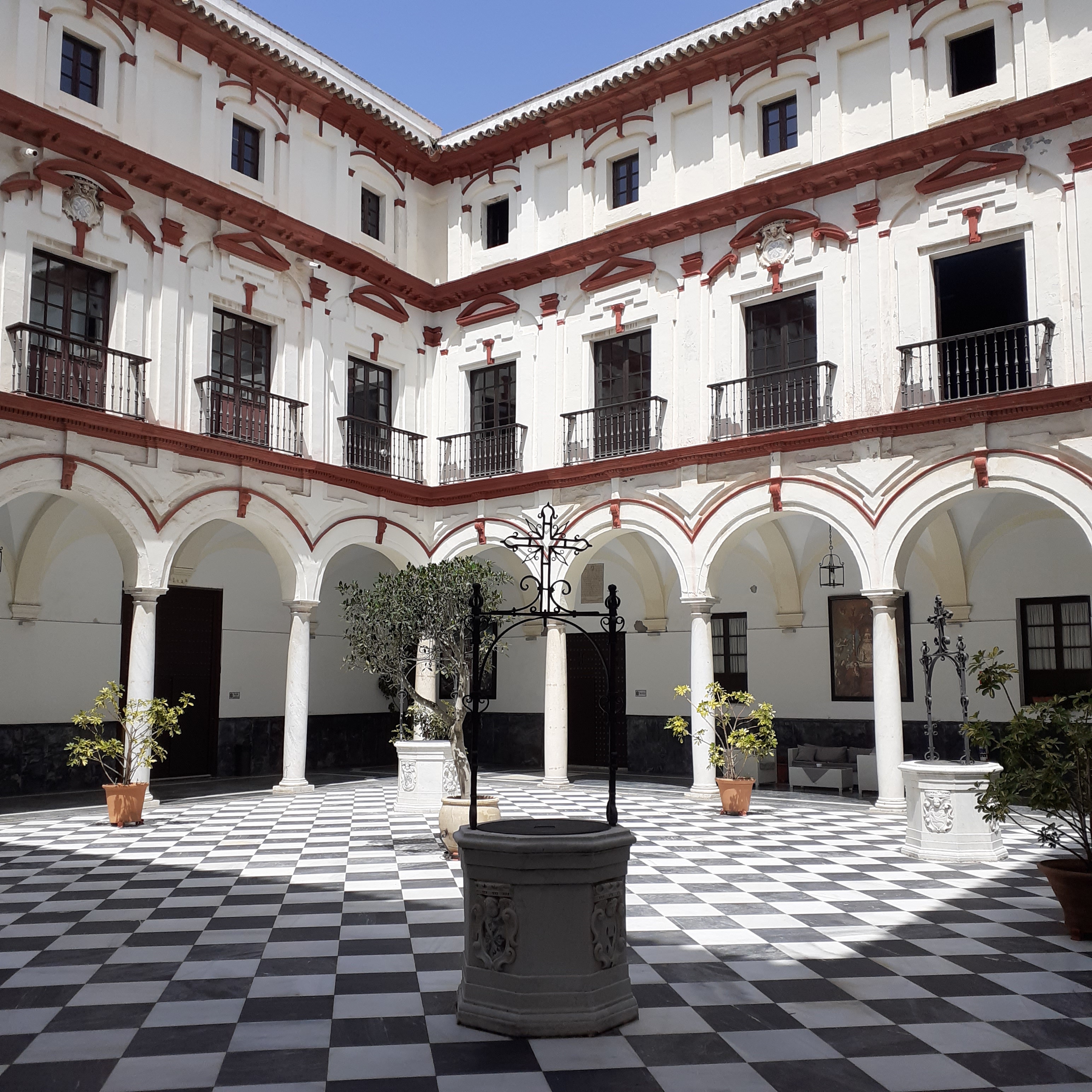
The train terminates at the port, adjacent to the city centre. Our hotel, Convento Santo Domingo, is only a hundred yards or so from the station entrance. Convento Domingo is a seventeenth century Dominican convent. It is a sight worth seeing itself, a priveledge for hotel guests. Inside, cloisters surround a tiled plaza, with an eerie soundtrack of Gregorian chanting monks adding to the atmosphere.

Then the door was open and the wind appeared

The candles blew and then disappeared

The curtains flew and then he appeared

Saying don’t be afraid

The singing monks, and some wine, suggest the song of the Blue Oyster Cult: Don’t Fear the Reaper. Written by Donald Roeser, it’s on their 1976 album Agents of Fortune.

Music persists outside the convent where we encounter a statue to La Perla de Cadiz. Antonia Gilabert Vargas was a Gitana flamenco singer. Born in Cadiz in 1924 she became famous throughout Spain for her voice of power and softness. She died in 1975. A club on the nearby seafront trades under her name

A few hundred yards further on through the Barrio we find Puertas de Tierra, a monument built in the eighteenth century along a remnant of the sea defenses which repulsed Napoleon in the Peninsular War of the early nineteenth century. Today it marks the border between the Old Town and Puerta Tierra, the modern city resort sprawling along the isthmus.

The weather is sunny but with a bracing sea breeze making it cooler than Seville. A couple of narrow, straight streets run lengthwise, Calle San Francisco and Sacramento being the main ones, with winding medieval lanes connecting. Many junctions broaden into small plazas, allowing people to congregate in comfort within the dense maze of streets. A roadway circles the Old Town, and broad footpaths and several sizeable green parks make for an easy escape from urban claustrophobia.

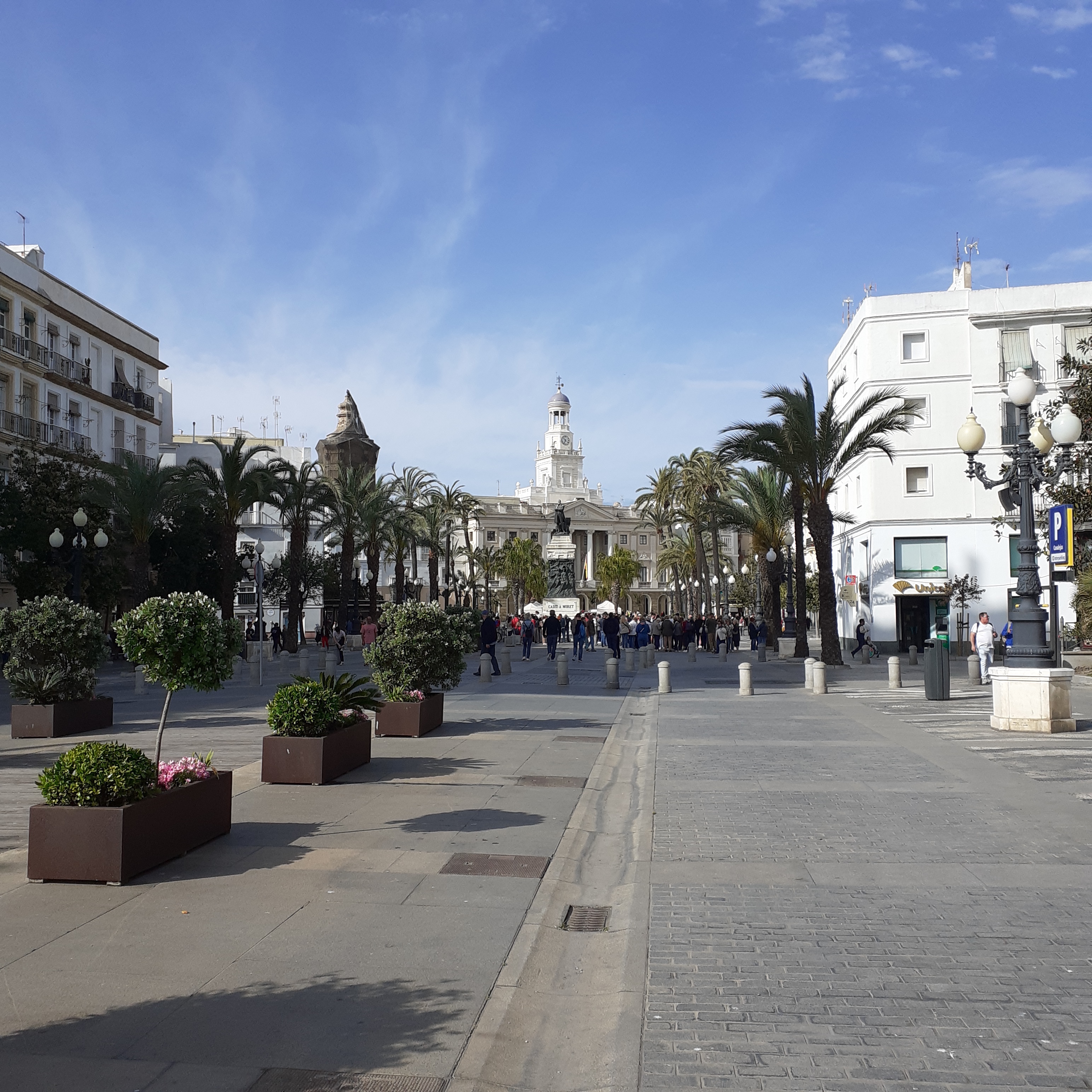
A short esplanade divides the port from the main square. Plaza San Juan de Dios is fringed with palm trees, bars and restaurants and focussed on the Old Town Hall, a fine Neo-Classical building from 1799. Taking Calle San Francisco we browse the shops all the way up to the Plaza San Francisco. We enjoy ice cream cones from a perch beside the hatch, where we can watch the world go by and youngsters playing ball against the walls of the church. 

The next square up is the Plaza de Mina with the Museum of Cadiz. This includes an art gallery with works by Rubens and Murillo. Unfortunately the gallery was closed, something too frequently the case these days. Recent visits to Porto, Budapest and Edinburgh suffered from such partial or total closures. The Museum itself has a good display showing Cadiz’s history, with Roman statues and other archeological exhibits back to the Phoenicians.

A woman on the train advised us to seek out the Taverna Casa Manteca for lunch. We arrived in the evening when it is closed but chose instead a nearby taverna. The woman serving gave us a tour of the dishes on display so we could choose by a combination of pointing and miming. A bit like a game of charades, but without a definite resolution. I wondered what Pulpo was. Our host translated by flailing her arms while saying pulpo repeatedly. We decided against, but were given it anyway. It is Octopus, by the way, although sufficiently buried in its preparation and sauces as to give no hint of waving tentacles. It’s fine, shellfish are out for me but I can eat fish or squid. We liked it, and the generous mixed salad to accompany it. 

We returned the following day to Casa Manteca, which means the House of Butter. It opened in 1953 and is dense with atmosphere, history and the aroma of good food. For Siesta it is thronged with people enjoying tapas and drinks. We try hake, and tortilla, which promptly arrives. The staff, though very busy, are good. Something of an old style pub atmosphere pervades. Wood pannelling throughout, the walls covered with flamenco and bullfighting photos and mementos.

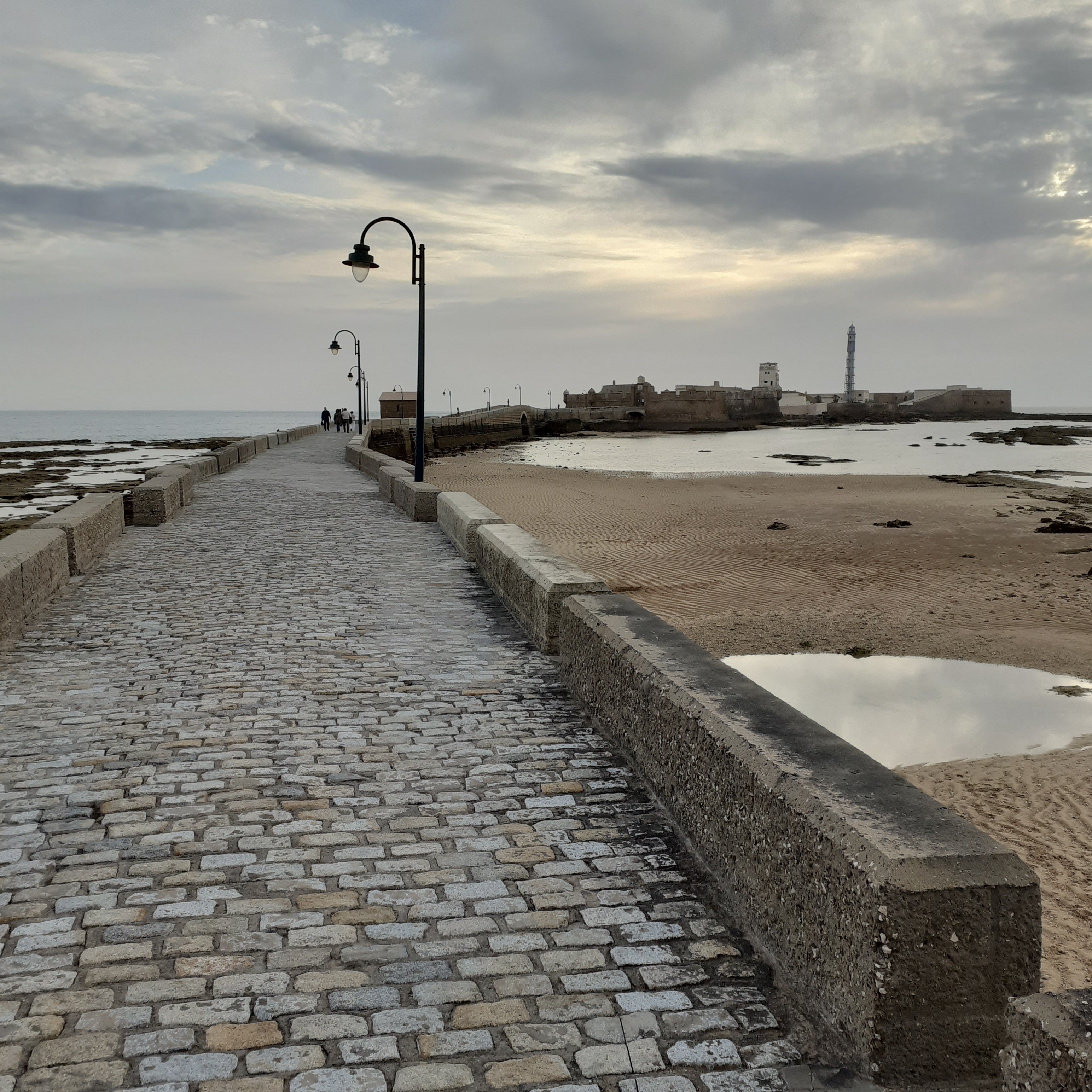
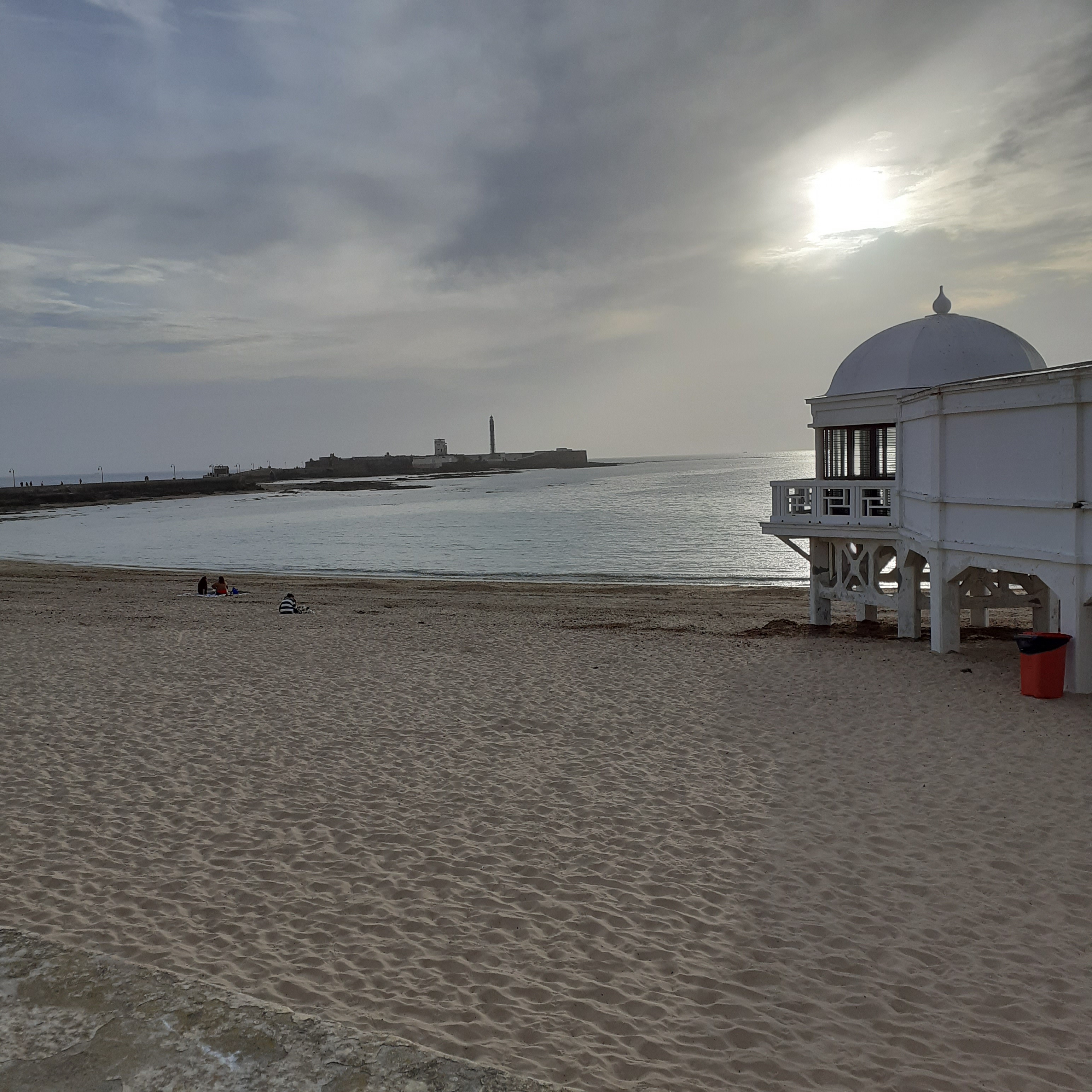
Nearby, the Playa de la Caleta, the city’s famous beach forms an arc between two fortified promintories. The longest terminates in Castillo San Sebastian, where the Phoenicians established their base three thousand years ago. The modern castle was built in 1700. Still a small island, it connected to the mainland by a stone causeway in 1860. A metal lighthouse was built in 1906, and soars to over forty metres. Unfortunately, the Castle and compound is closed to the public for renovations. The causeway is a recommended spot to view the sunset. It was cloudy when we arrived, but none the less scenic for that.

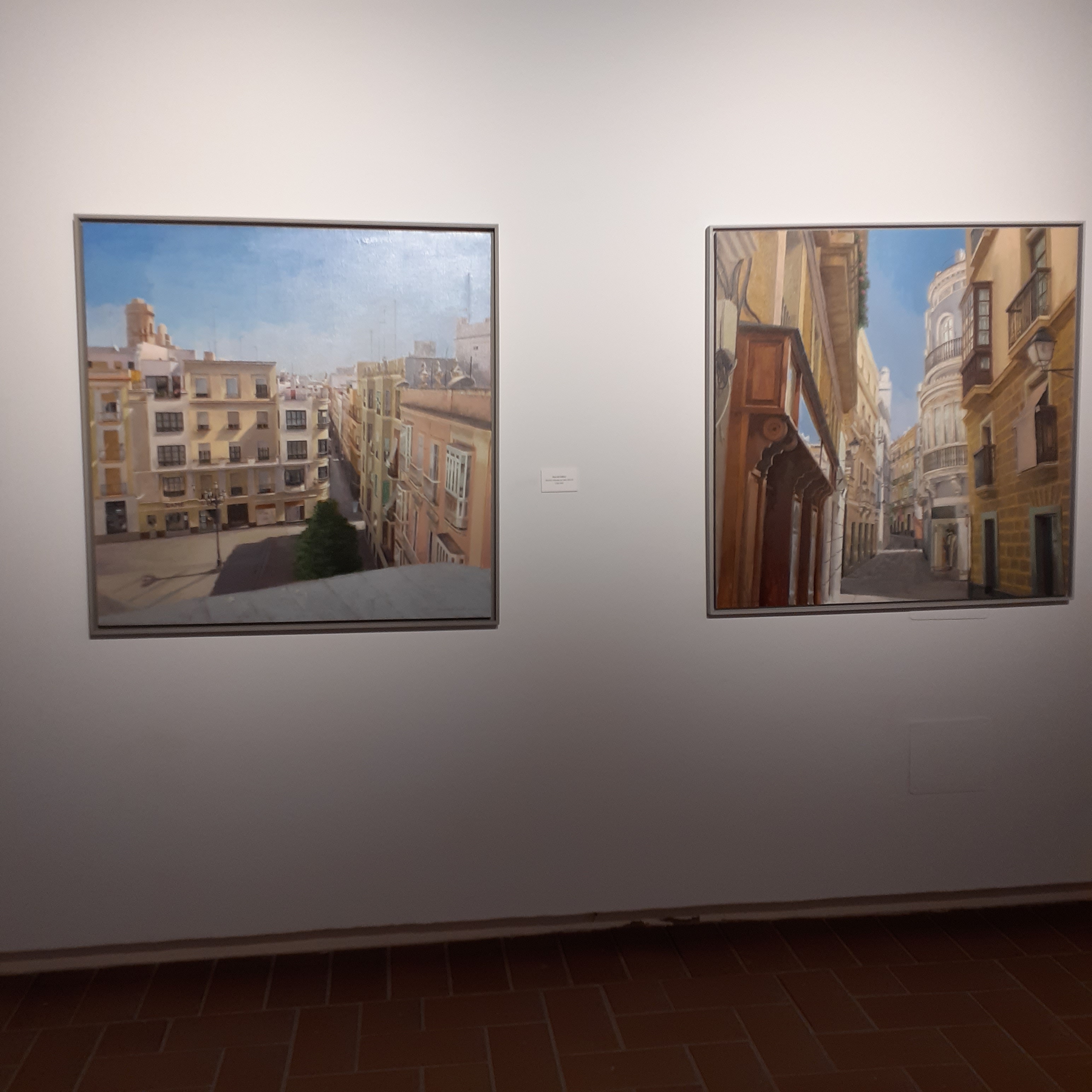
Castillo de Santa Catalina is Cadiz’z oldest fortress, built at the end of the sixteenth century. The small chapel came a century later. Inside the walls we step into another world. The past, for sure, but I also felt the thrill of being in a Salvador Dali townscape: Outskirts of the Paranoiac-Critical Town. Meanwhile, I half expected to see Clint Eastwood step out from a doorway and spark up a cheroot. The Castle was repurposed as a military prison for over two centuries until donated to the City in 1991. Now the buildings house art and cultural exhibitions. We were fortunate that our visit coincided with an exhibition by Fernando Devesa, La Verdad Sea Pintada, comprising stunning views of Cadiz and more intimate interiors. Fernando Devesa Molina is a local painter in his forties.His realist paintings are masterful, not just an exercise in rendering but full of warmth and vision; the truth is clear to see.

The beach centers on the nineteenth century baths. La Palma Spa gives an aura of Fin de Siecle opulence, though they are now a Nautical college. We walk all along the City coast, lined by parks and remnants of the ancient sea walls. Genoves Park is the largest, though we had to climb in over the railings. Nearby, the Murallas de San Carlos is one of the most scenic stretches of the sea fortifications. Alameda Park, known for its vast dragon trees, is a cool oasis of chequerboard tiles and shade. Stepping down from the walls, the Plaza de Espana is dominated by a monument to the 1812 Cadiz Constitution, erected a century later. We are back to the port and just a short walk from Plaza San Juan de Dios.

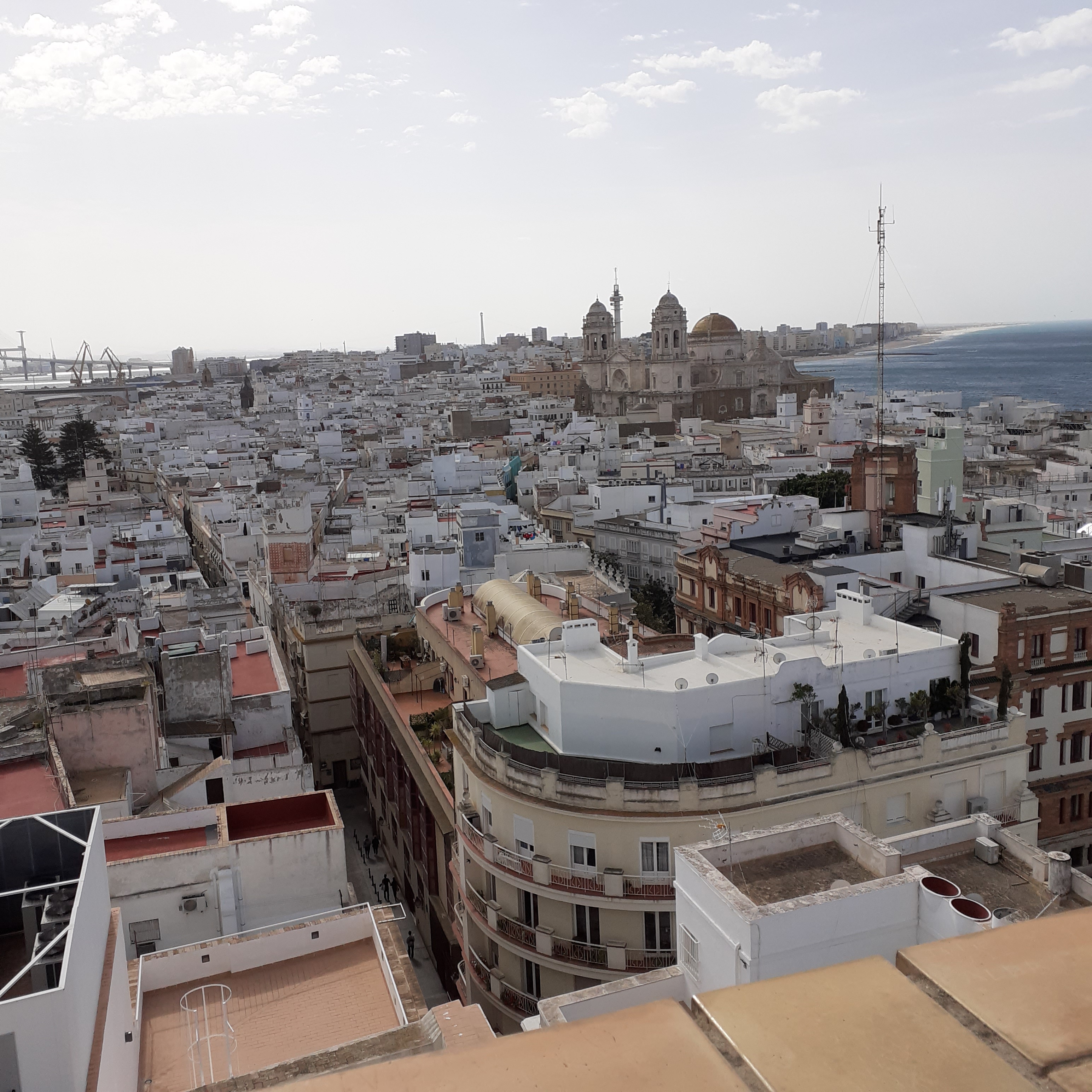
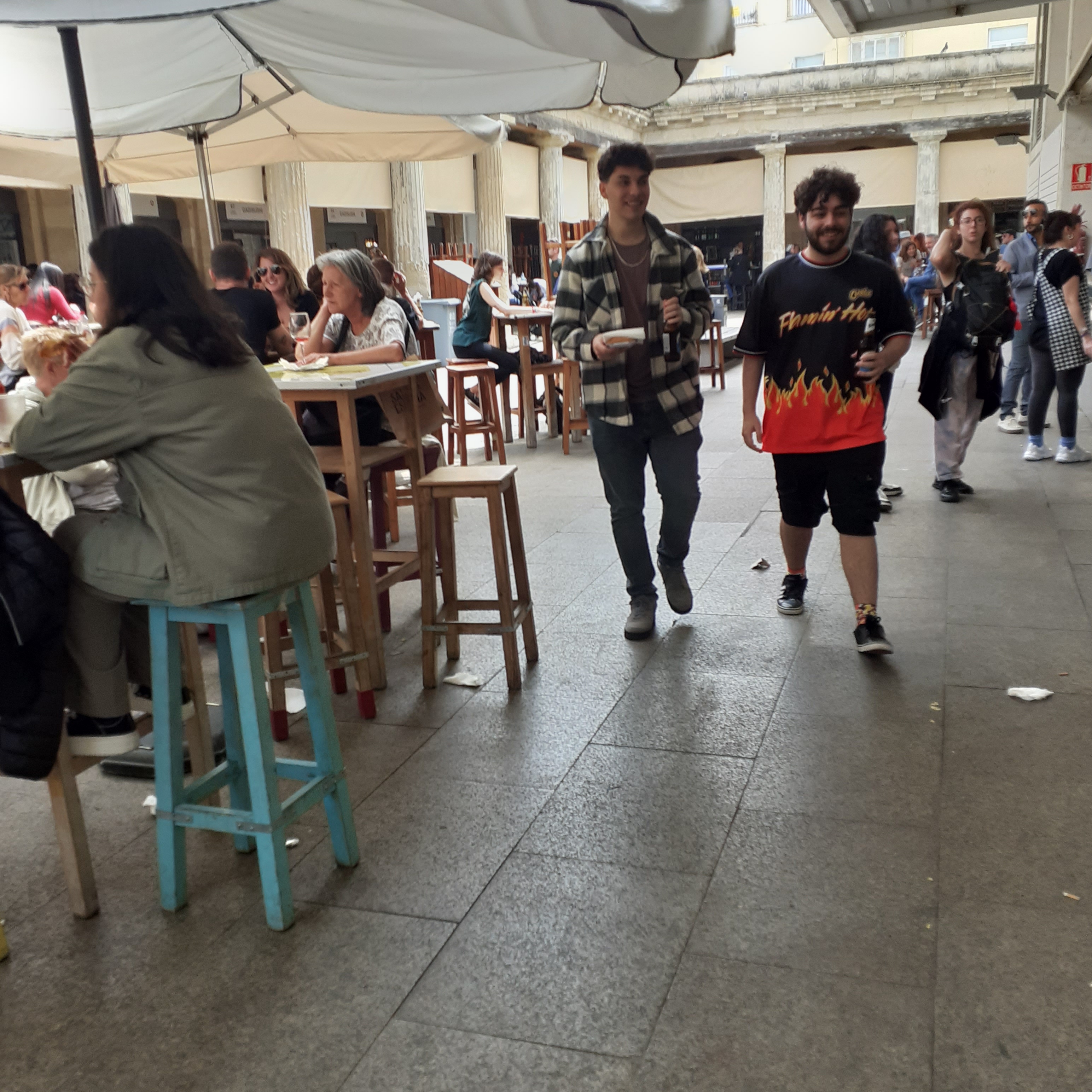
Calle Sacramento, another long shopping street that cuts through the centre of the Old Town can be reached via Catedral Square and Plaza de las Flores. The Central Market there is thronged with locals enjoying drinks and snacks from its many stalls. Nearby is the Tavira Tower. Built in the mid eighteenth century in a Baroque style, there are maybe a hundred such lookout towers dotting the skyline. Only this one is open to the public and is the highest vantage point in the Old Town at 150 feet. There’s a wonderful panorama from the roof. It was very windy when we visited, which only added to the spectacle. I could have done with guy ropes as I crept across the roof taking photos which I hoped would not be shaky. The Camera Obscura, just below, was far more calm, and the excellent guide gave a good account of the camera. She performed amusing tricks with the people passing through the busy market below and we wondered would we feature in one of her shows later on. 

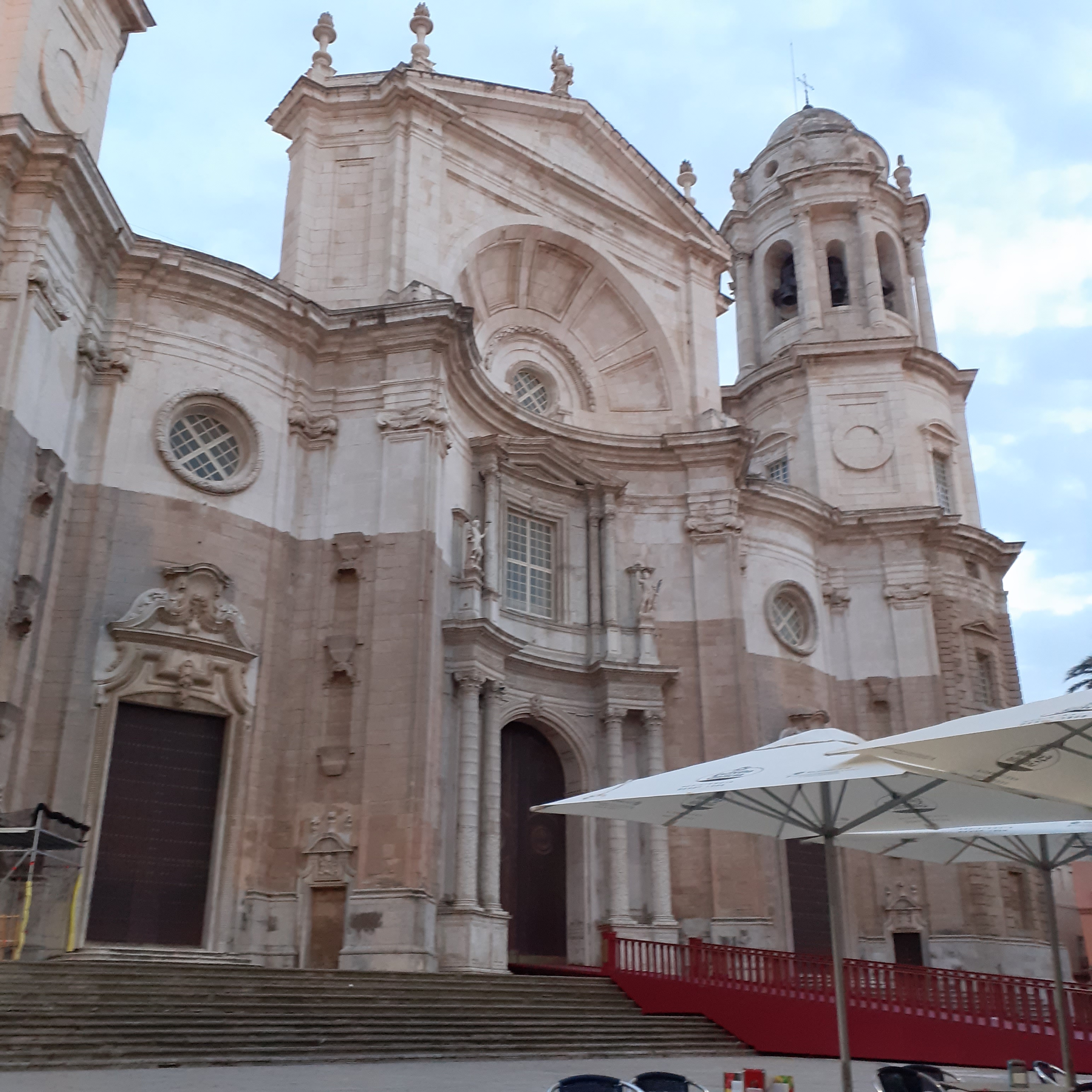
The Cathedral is Cadiz’s most iconic building, an impressive collage of different styles. It is known as the New Cathedral. The original Old Cathedral, near the Roman Theatre, was burnt down in the Anglo Dutch attack of 1598 and replaced in situ. Prosperity and population growth caused the city to propose a bigger cathedral and work began in the early 1700s. It took over a century to build, with several different architects, so the style shifts from Baroque to Rococo to Neo Classical. Its dome is clad in yellow tiles giving an impression of gold under the bright Andalusian sun.

Catedral Square on its inland side has a variety of bars and eateries. On the corner 100 Montaditos is useful for the budget conscious, with tapas and drink served at the counter. All are well thronged with diners, drinkers, passing tourists and locals, enjoying the wonderful vista, and each other. Cadiz seems to have achieved a reasonable balance between visitors and residents. The city feels lived in, enchanting and relaxed. Very friendly too, we found.