Edinburgh – The Writers’ City

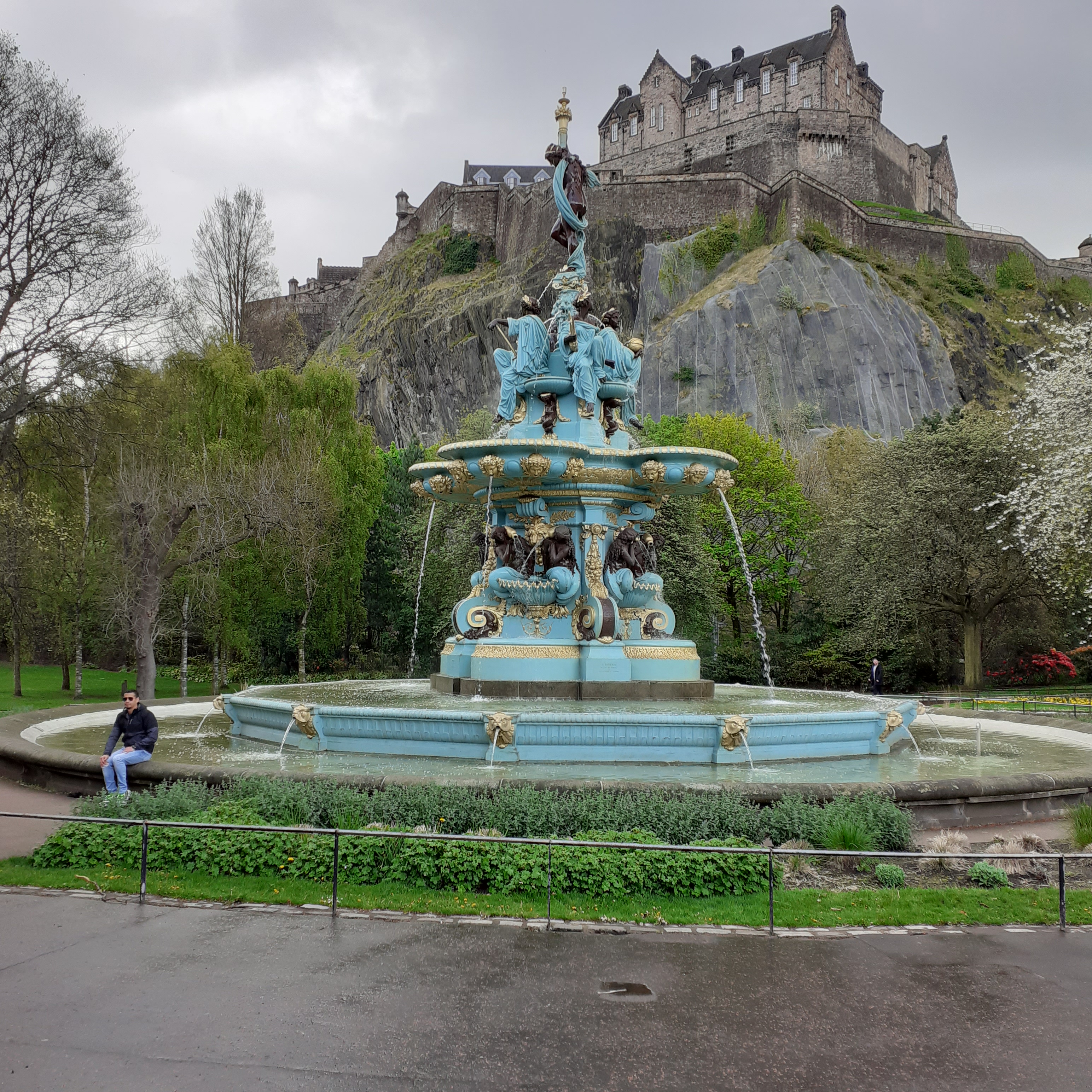
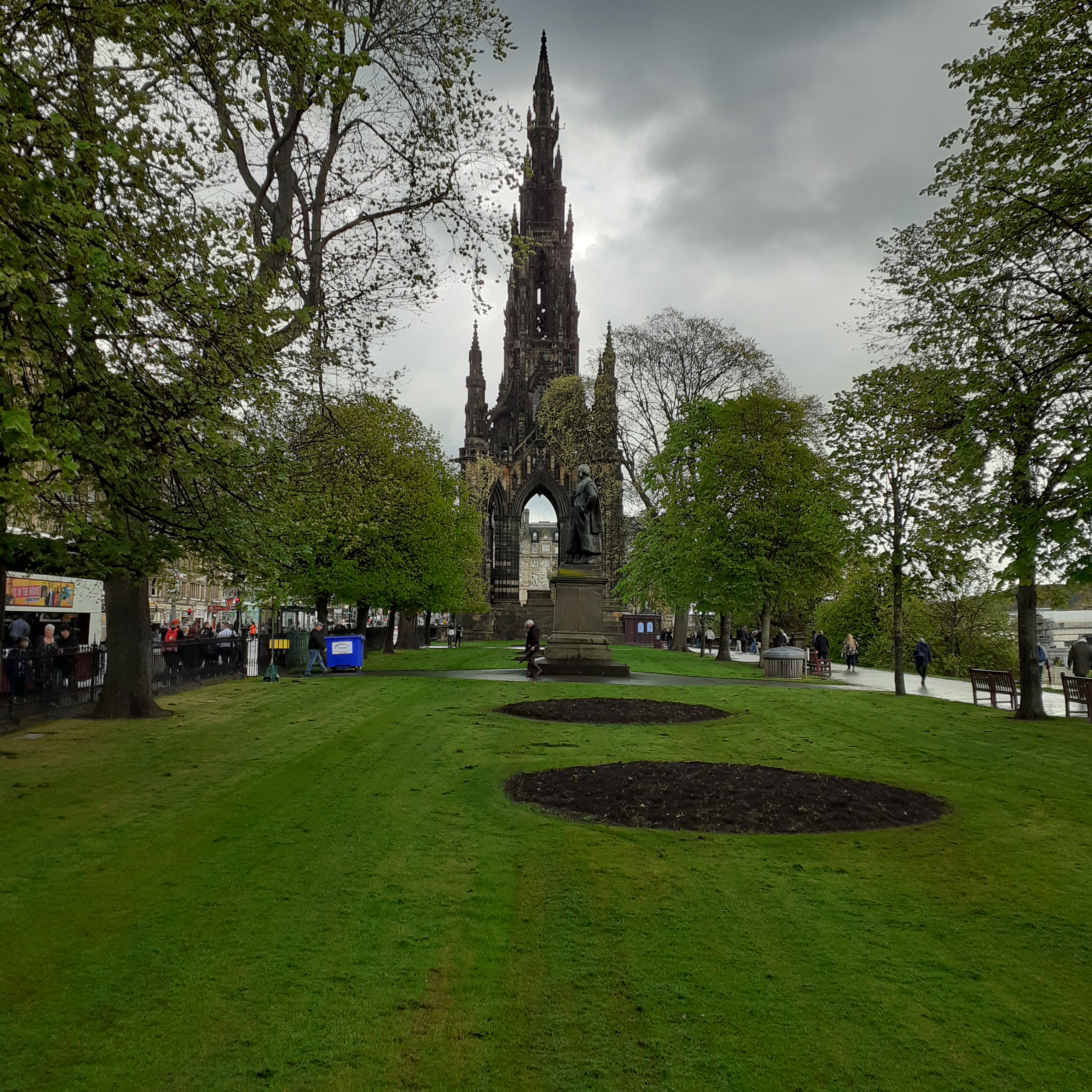
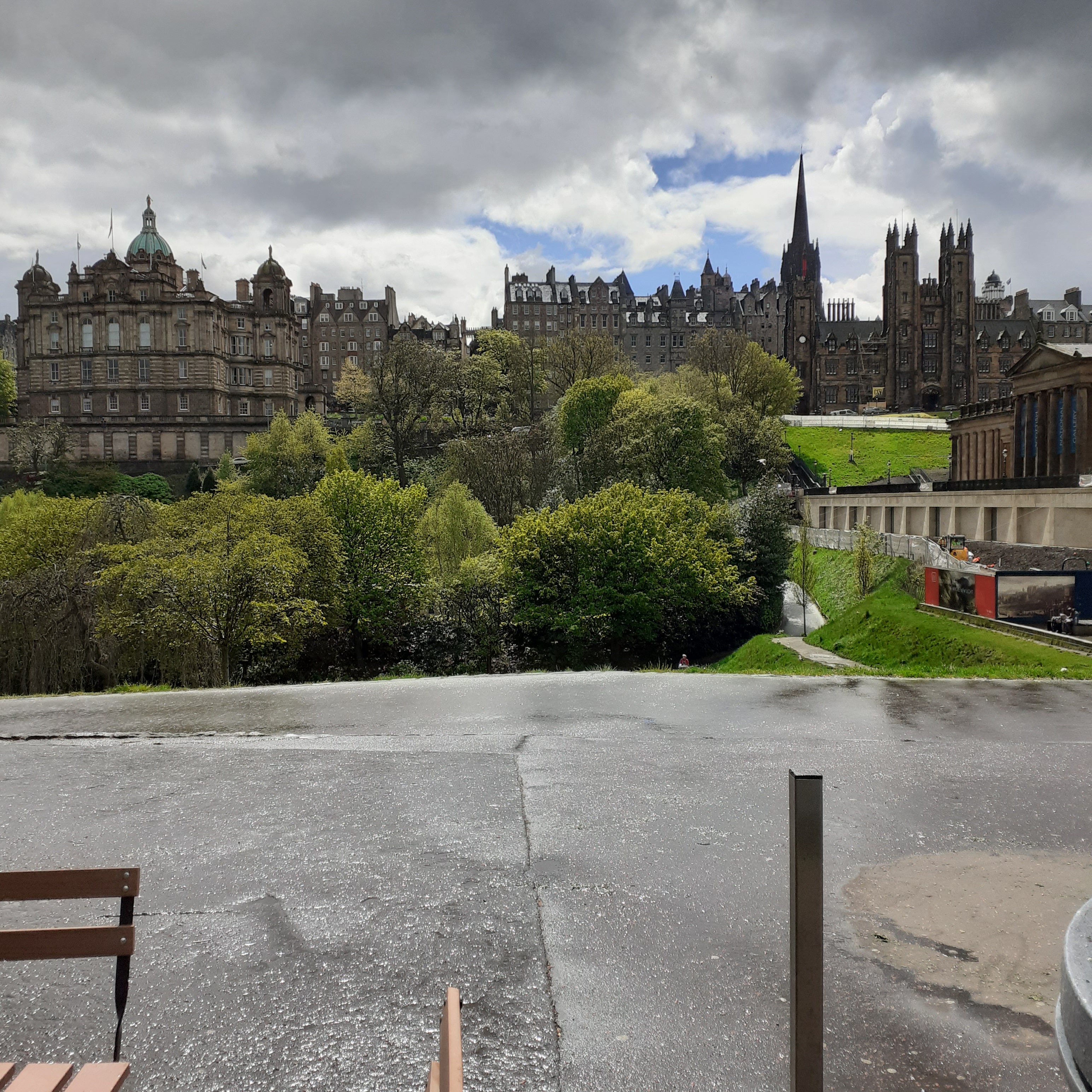
There are few cities that provide the spectacle and depth of Edinburgh. Its skyline is an imagined fantasy, ancient and ornate. Implacable of outline, yet it harbours a wealth of tales, written and being written up until this very moment. Cities are as much a construct of stories as they are of stone, Edinburgh rejoices in both. Like Dublin, you can translate it through its writers, distant and contemporary wordsmiths honoured in various ways. Prince’s Street features the stunning spire of the Walter Scott Monument, rising two hundred feet into the sky. There are more discreet memorials too. The dark laneways of the old town speak of Stevenson’s Jekyll and Hyde. Above them rise a conspiracy of spires and turrets, the broken teeth of old volcanoes, the whispering stone of graveyards and kirks. Sleuths saunter in the shadows, from Sherlock Holmes to John Rebus, while demons and wizards, killers and creators number amongst the cast of Edinburgh’s multitude of stories.
As one door into this maze, I thought of the contemporary world of John Rebus, that hardboiled detective created by Ian Rankin. Planning this trip to Edinburgh, only my second, I messaged Rankin if he could offer a tour of Rebus watering holes as a pathway through the city. Rankin obliged, so I had a list of seven pubs giving me a route through the streets of the Scottish capital.

It has taken me three years to act on it.The lockdown gave us our own version of the plague, locking us into awkward isolation. I had first visited Edinburgh in the mid nineties. Autumn is a good time to visit Scotland, grey, gold and auburn, and prey to mists. It was a treat for my fortieth birthday, which falls on Saint Andrew’s Day. Andrew provides the Saltire for Scotland’s flag, being the patron saint. And I am half Scottish. My father was born in Scotland, in the mining country of Blantyre, between here and Glasgow.
Back then, myself and M took the Hidden Edinburgh tour, which was a guided walk through the subterranean city of the Old Town. Gloomy indeed, especially in late November. It took off from the Royal Mile, the spine of the city. Our young guide was as charming, loud and funny as we expect a Scottish guide to be, they’re just born to it. Tales of ghosts and ghouls and graverobbers loomed out of the misty evening. We journeyed beneath the streets themselves, finding graveyards down there too, Stopping in a catacomb, our guide whispered this was once an entire street which had been blockaded in Plague times, the residents left there to die, or survive if God so chose. Now, that’s what I call Lockdown.

Rankin was born in 1960 in Cardenden, Fife, north of Edinburgh, on the far side of the Firth of Forth. He never intended to write a detective series. The first Rebus adventure was intended as a stand alone novel, as something of a modern day version of Robert Louis Stevenson’s Strange Case of Dr Jekyll and Mister Hyde. Titled Knots and Crosses it was published in 1987 and followed by Hide and Seek in 1990, also influenced by Jeckyll and Hyde. Hide, get it? 

Rebus himself was born some years before his creator, in the later forties up in Fife and hardened in the smithy of Northern Ireland during the early Troubles. Exit Music, 2007, saw Rebus reach sixty, retirement age for a police officer. Rebus was buried, but not dead, and rose again five years later in the appropriately titled, Standing in Another Man’s Grave. Rebus now retired but unable to let the past, or the present go. Rankin has published twenty four Rebus novels up to the recent A Heart Full of Headstones 2022. 
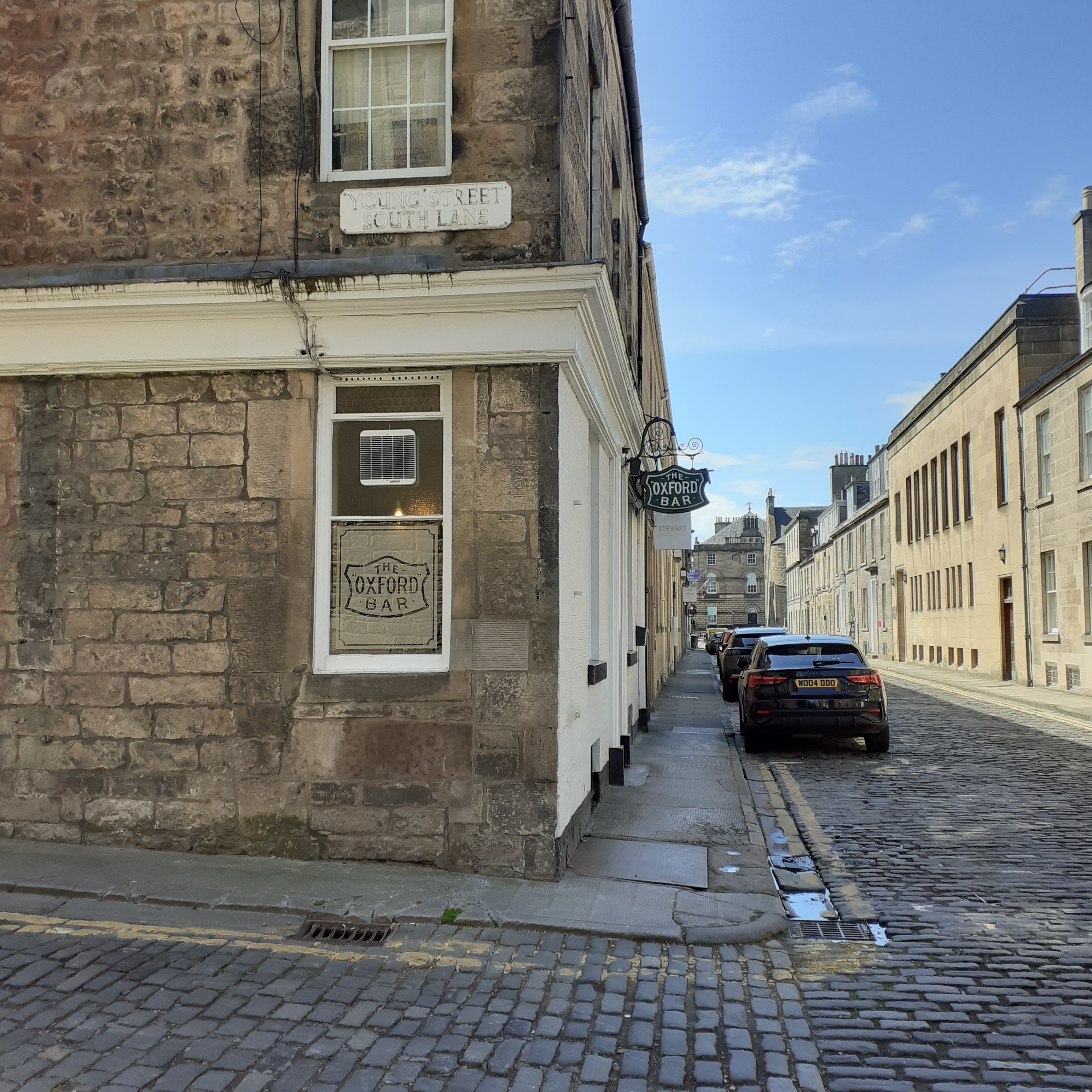
Rankin puts the Oxford Bar, Rebus’s most regular haunt, top of his list. Coincidentally, my trip to Oxford some years back, also took a writer’s prism, in this case Colin Dexter’s Morse. Myself and M took a wonderfully entertaining tour in tandem with the adventures of Morse, and of course the long suffering Lewis. The Oxford Bar itself is in Edinburgh’s New Town. The idea of the New Town was first proposed by James VII when Duke of York (of New York fame) as a sophisticated extension to the overcrowded ancient city above. The Battle of the Boyne put paid to that, as James lost his crown, but the idea was refloated in 1766 and a design competition held. This was won by a young local architect James Craig and work soon began on the project.

Prince’s Street forms the southern edge. George Street is the central axis, along the apex of a low ridge from the Albert equestrian statue in Charlotte Square to the Melville Memorial in St Andrew’s Square. It is calm and wide, diners relaxing outdoors in the midday sun. Queen Street completed the northern perimeter. The narrower Rose Street and Thistle Street lie between, with the transverse streets at right angles: Hanover Street, Frederick Street and Castle Street The naming emphasises the theme of the unification of the two kingdoms, as some like to see the annexation of Scotland. It is all very Georgian and grandiose. But there are creeks and alleys.
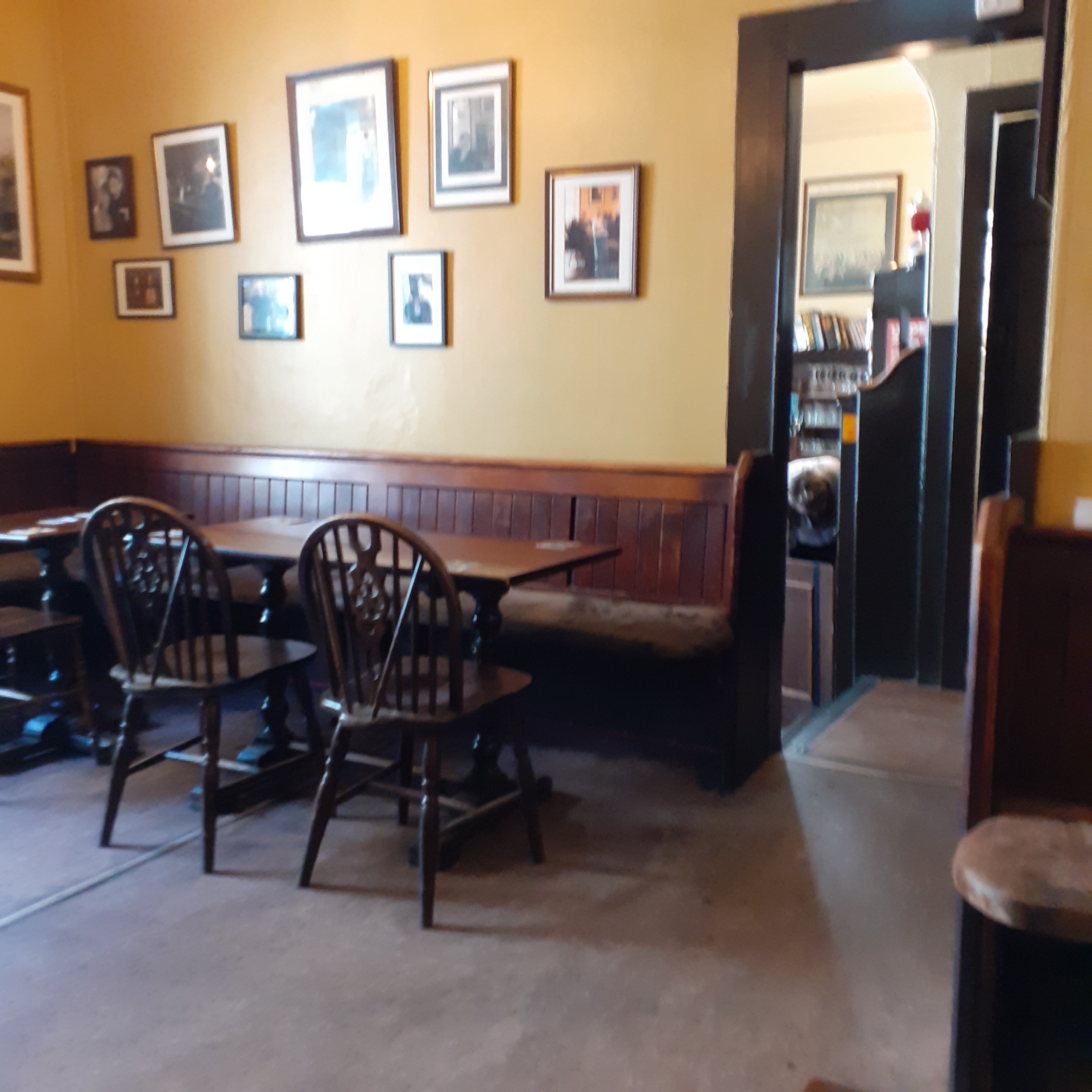
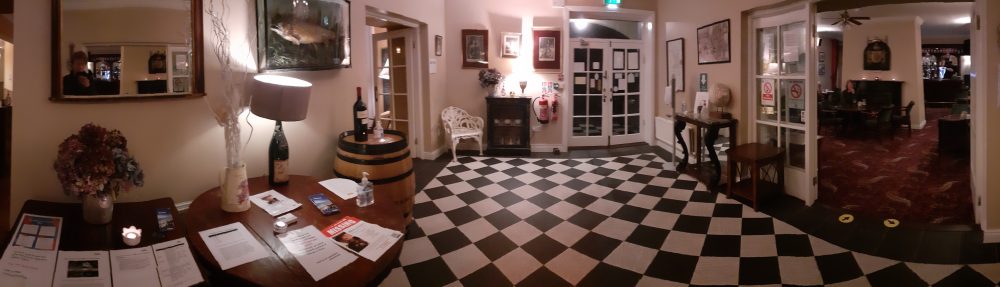
The Oxford Bar is well hidden, an oasis in a cramped enclave of grey brick on narrow Young Street, north of George Street. It dates back to 1811 and retains the intimate structure of its origins. There’s a tiny bar inside the entrance, a few steps up to a larger room to the rear sparsely furnished in gloomy wood, aglow with honeyed daylight through the sandblasted Oxford window. It’s there I take my pint of IPA and sit as if in a sepia photograph, my only company the solid beam of sunlight, and a man reading a novel by its light. It’s a literary pub, to be sure. I noticed Robbie Burns presiding over the bar as I ordered my Deucher’s. The photo gallery features musicians and others, but most notably Rankin himself (natch). I see too that Colin Dexter is a noted visitor. On the way out, I receive a bookmark or two as souvenir from the pleasant landlady who served me,
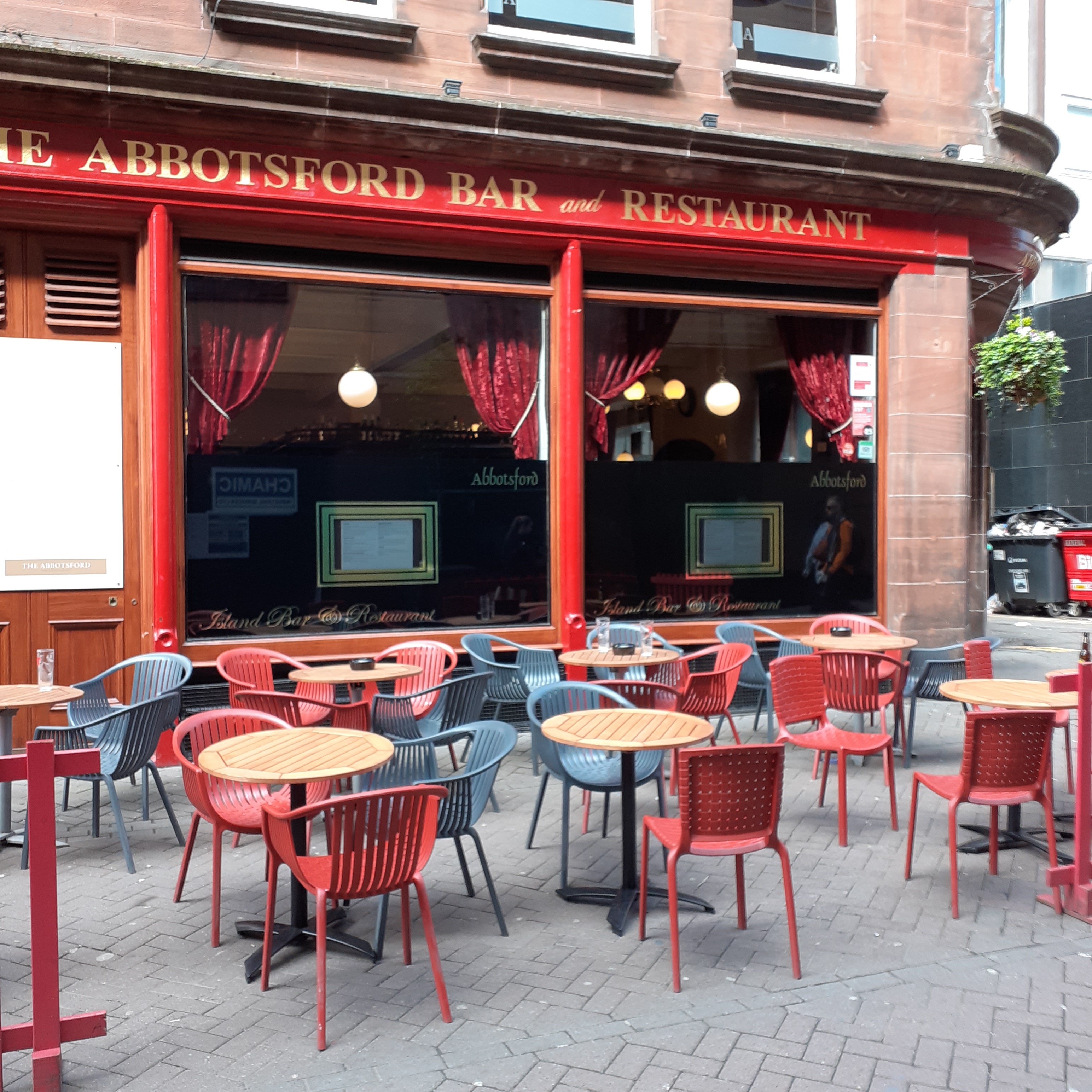
Outside, I take in the  atmosphere in the traditional manner before heading south along Castle Street. Rose Street, reminds me of Cork’s Oliver Plunkett Street, narrow, straight, cobbled and quaint.It’s pedestrianised and a busy mix of shops, cafes and bars. Abbotsford is at the eastern end. Named for the home of Sir Walter Scott in the Borderlands to the south. The pub is an Edwardian saloon, well upholstered beneath an ornate ceiling and around an imposing mahogonay island bar. There’s a restaurant upstairs. I order a Tennents, frothy and longlasting, the gift that keeps on giving. The bar is busy and I take my drink onto the terrace where I can catch the suns afternoon rays. A nearby busker rests his back against the railings of Rose Street Garden. This open air cafe and wine bar is a popular celbrity haunt. It les at the back of The Dome on George Street, a neo-classical building from 1847, once a bank and now a chic restaurant. Back on my stretch of pavement, more are following my lead in taking the air. It’s most pleasant. The busker’s repertoire is Dylanesque, with a tartan weave that includes The Proclaimers amongst others. He’s giving it the full nine yards, and might be better dialling it down a bit. I wonder should I ask him to sing Faraway.
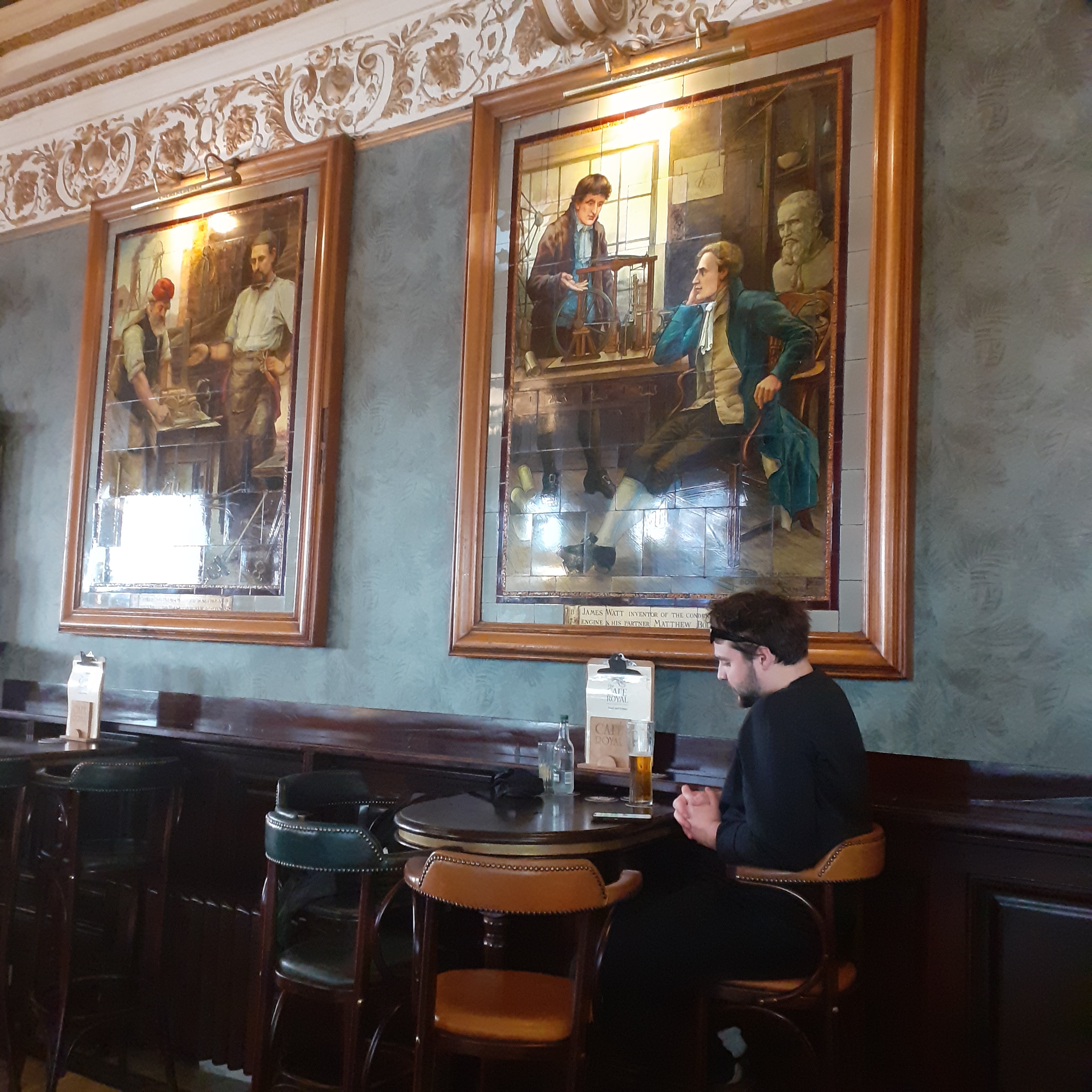
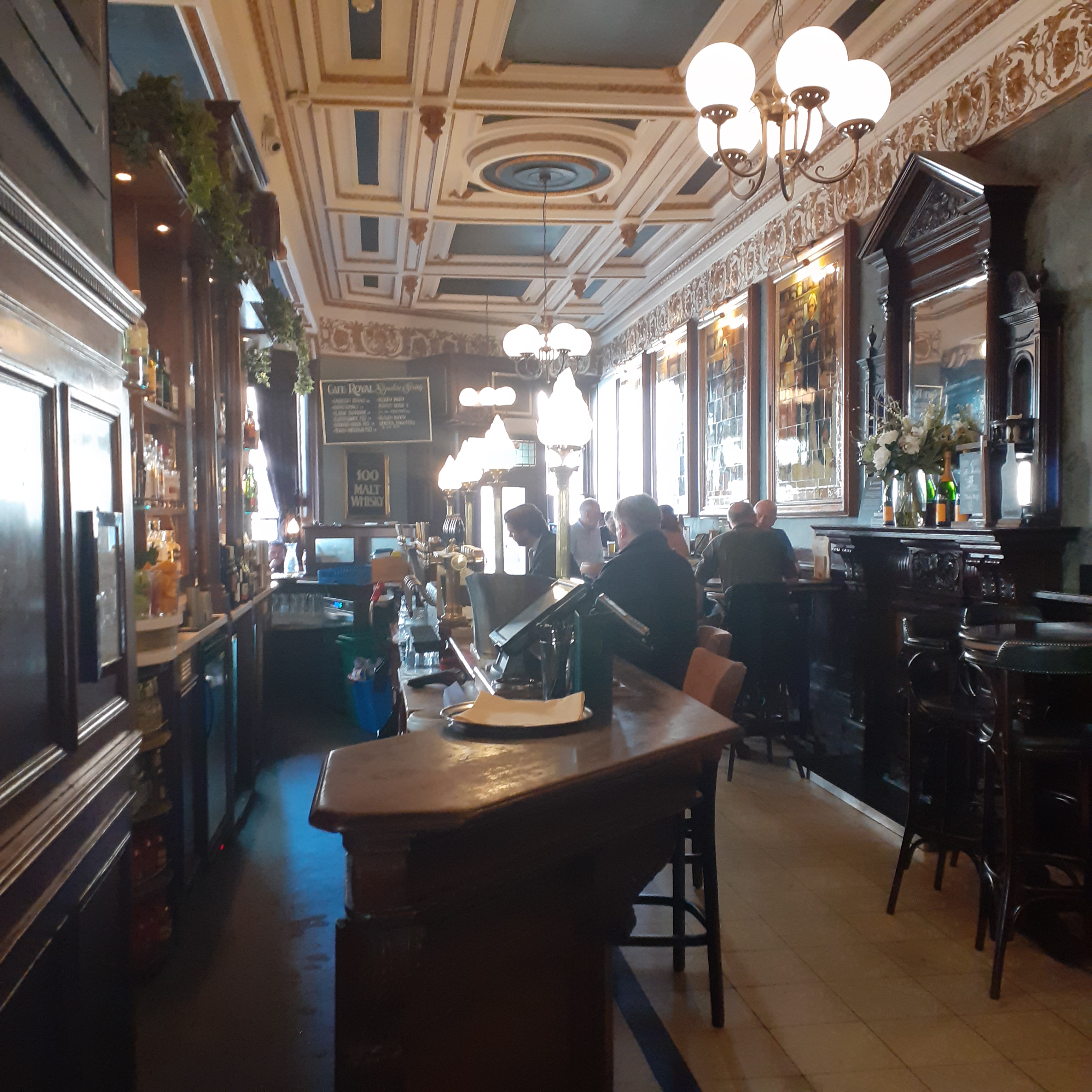
Number three on the list is the Cafe Royal. This is beyond St Andrew’s Square on a secluded side street. The Cafe Royal is a lovely Victorian bar with towering glass windows designed by Architect Robert Paterson.from 1863.  It describes itself as an Oyster Bar. Though shellfish is poison to me, there are more edible alternatives including haggis, venison and other Scottish delights. The walls are adorned with glorious ceramic tiled panels by John Eyre and stained glass windows featuring famous inventors such as James Watt. I can imagine myself in an age of elegance, amongst the gleaming brasswork and gasslamps. Prince’s Street is just a block away, abuzz with the height of the tea time rush. But here is a place to shelter from the outdoors, however benign, and bask in the glow of crafted opulence, art and intimacy; and a fine malt whisky, of course. 
Cork Revisited – 3

Cork is very much defined by the River Lee, flowing both through and around the city centre. It rises in the Shehy Mountains in West Cork, feeding the beautiful lake of Gougane Barra, named for Saint Finbar, and from there to Cork City. West of the city it divides, holding the centre city in its embrace before uniting again to the east where it flows into Cork harbour.

On a glorious Spring morning, we head out West. Washington Street leads through what was once medieval Cork. It was laid out in the 1820s and named George’s Street for King George III who had just died. A century later, blood running high in the fight for liberty, it was decided that another George, America’s revolutionary leader George Washington, made a worthier focus for honour. Cork Courthouse was built in the 1830s by George and James Pain, in the neo classical style as a ‘temple suitable for the solemn administration of justice’. It certainly looked the part, but was notoriously cold and draughty within. Ironic then, that a malfunction in the heating system virtually destroyed the building in a blaze on Good Friday, 1891. Local architect William Henry Hill designed the reconstruction, retaining the intact portico and facade, adding a copper dome.

Further on leads to Lancaster quay, the leafy river banks lined with gleaming apartments. It’s a pleasant walk along the Western Road to University College Cork. UCC campus occupies a scenic wooded parkland with the South Branch of the river framing its northern rim. The College was founded in 1845 as one of three Queens Colleges of Ireland, with Galway and Belfast. In the twentieth century, Cork became part of the National University of Ireland, along with Galway (UCG), Dublin (UCD) and Maynooth.

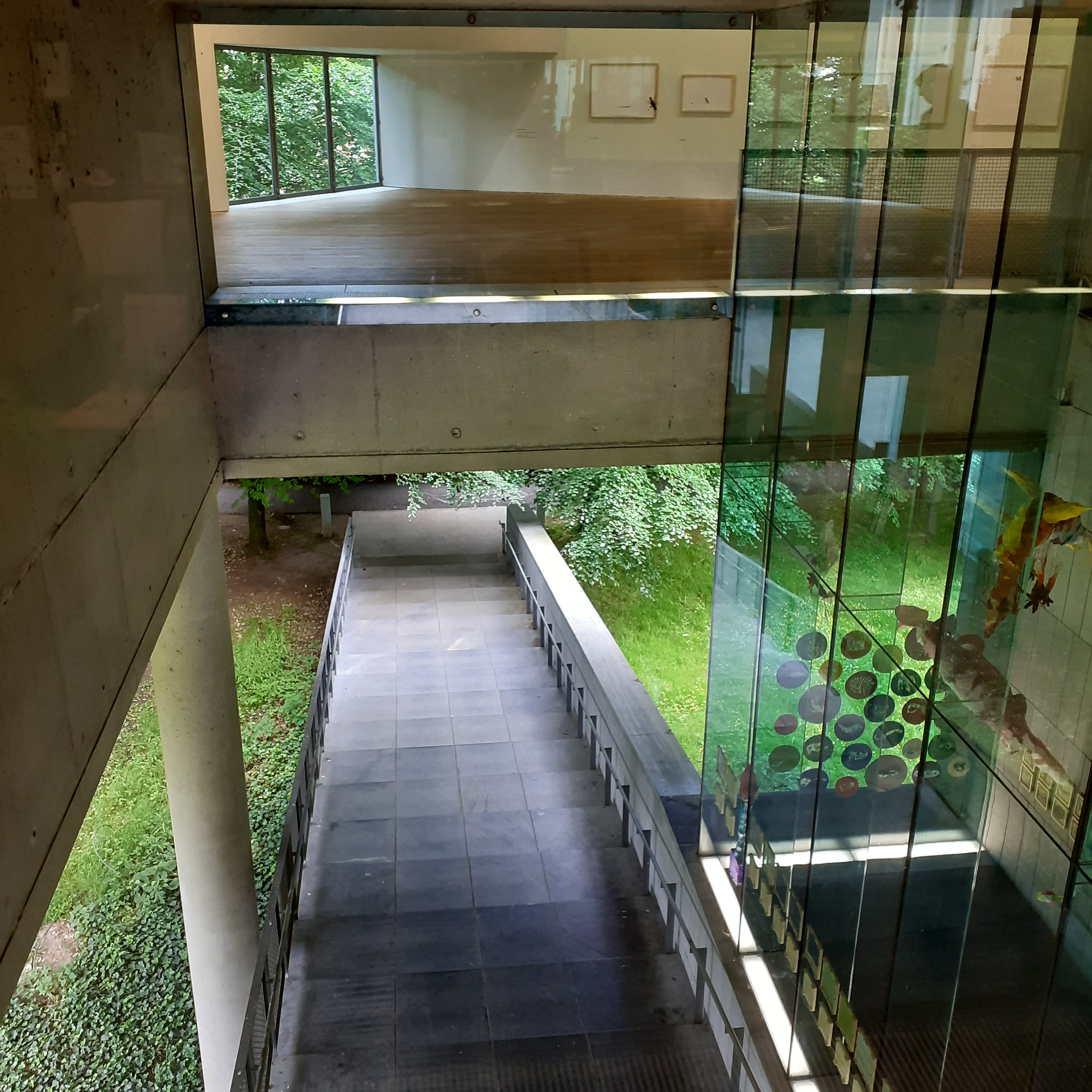
Near the entrance, amongst the trees, is the Glucksman Gallery. The Glucksman was opened in 2004, in an award winnning design by Irish architects O’Donnell and Tuomey. Truly a floating modernist statement with three floors of display, including themed temporary exhibitions. Whatever’s on show, the building is a sublime experience in itself. It is named for Lewis Glucksman, American financier and chairman of Lehmann Bros. He was a generous patron of culture in Ireland including the Millenium Wing of the National Gallery. Glucksman lived in Cork for the last twenty years of his life, and died there in his house in Cobh in 2006.

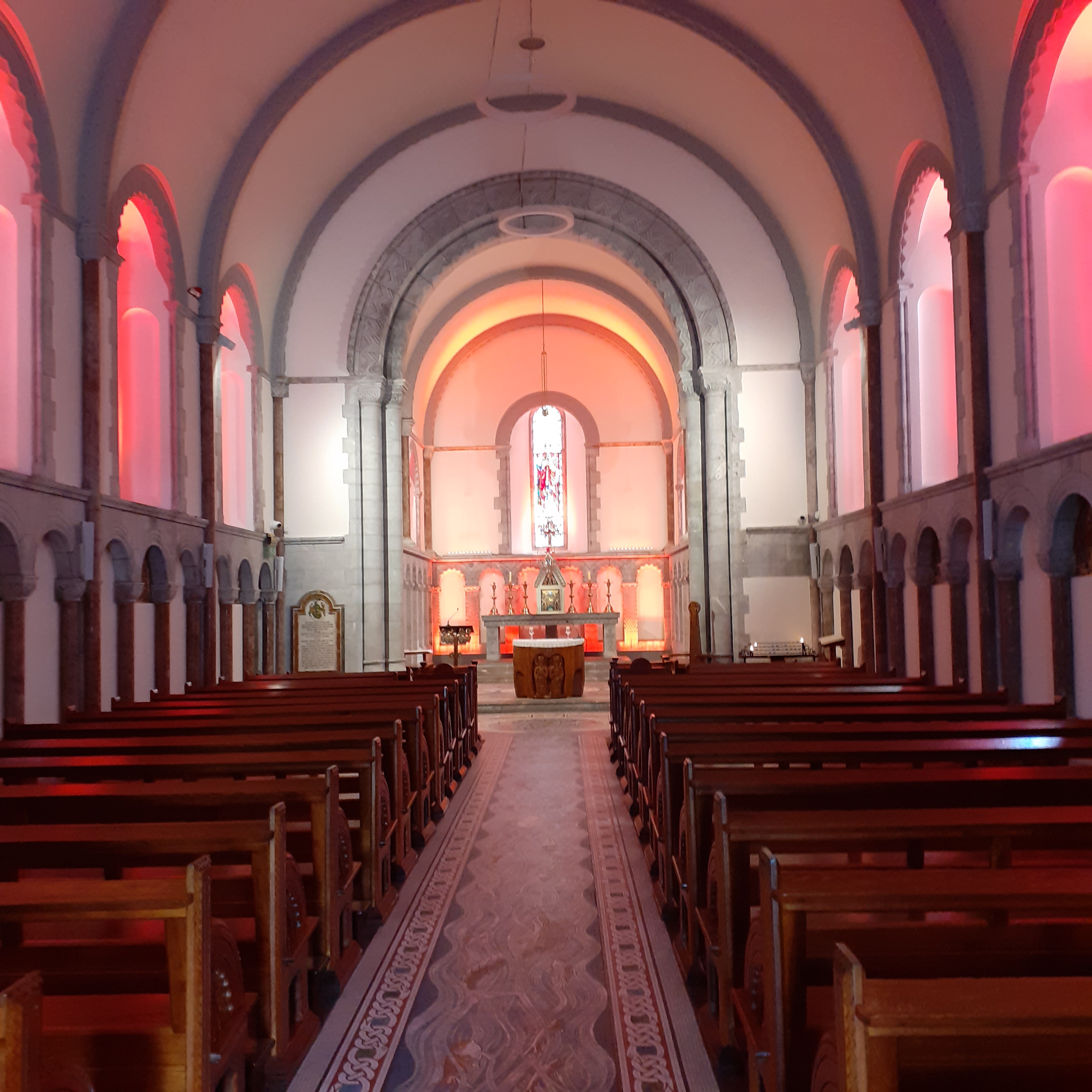
At the centre of the university, the buildings are grouped around a Gothic Tudor quadrangle. Architects, Thomas Deane and Benjamin Woodward designed much of these early buildings. As we dally in the cloisters, soaking in the history and the atmosphere, Government ministers flit through the arcades discussing affairs of state. Current Taoiseach, Michael Martin, would be amongst them, a graduate of these groves. Honan Collegiate Chapel dates from the early twentieth century. In the the Celtic Revival style of the time, it harks back to starry times of saints and scholars. Isabella Honan, a wealthy Corkonian, was the Church’s benefactor. The interior is particularly alive with Irish arts and crafts, Eleven of its nineteen stained glass windows are by Harry Clarke.

We return along College Road via St Fin Barre’s which is worth a visit. Its three spires are a dominant feature of the city skyline. The interior includes a small exhibition of the church’s history. The Cathedral grounds make a calm retreat from the city’s embrace.

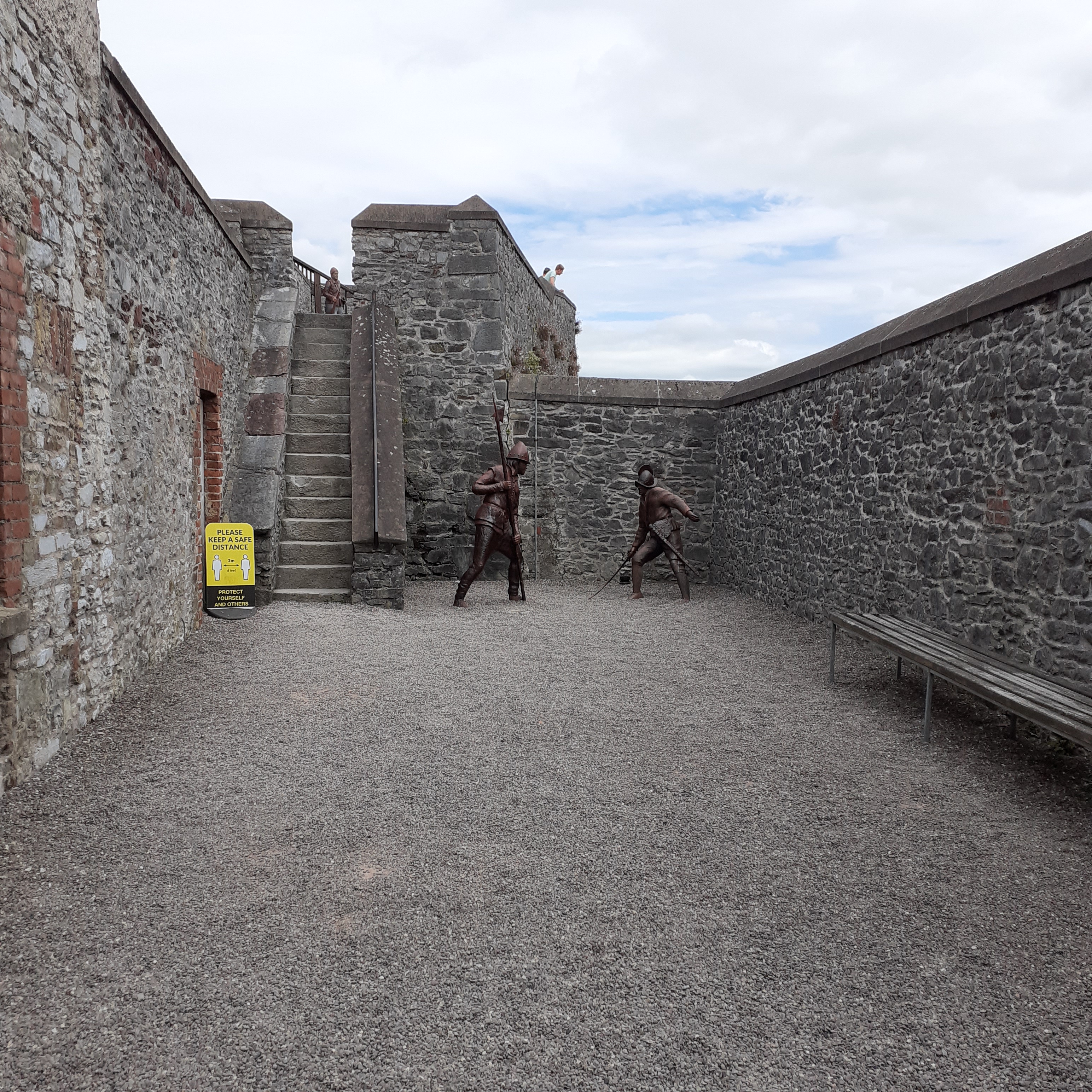
Nearby is Elizabeth’s Fort. Looming over the south branch of the Lee, it was built in 1601 by Sir George Carew. On the death of Elizabeth, the Mayor led a revolt and a force of 800 men siezed the fort and demolished it to thwart the forces of James I. Lord Mountjoy retook the city and ordered it rebuilt. The star design dates from its rebuild in 1626. Cromwell also added to it in 1649. It became a Jacobite stronghold in the Williamite wars. When the city was taken by William’s forces in the Siege of Cork, the fort held out but the city walls were breached after a week of bombardment. From 1719 to1817 it functioned as a barracks and subsequently a prison for those awaiting transportation to Australia. It reverted to military use, became a Royal Irish Constabulary barracks and hosted the Black and Tans during the War of Independence. It was burned by anti treaty forces in the Civil War and was afterwards a Garda Station until 2013. Now open to the public, entrance is free and you must run the gauntlet of cheerful meet and greeters. This, in fairness, does make for a good introduction to a historical site and our Cork hosts were excellent. There are guided tours at one o’clock each day for a couple of euro, but you can self guide as we did. Lifesize action figures guard the spaces giving scale and context to the visit. There’s a small museum which maps the historical development of Cork City and the Fortress, and a picnic area too.

Nano Nagle footbridge crosses the southern branch of the river back to Grand Parade in the city centre. The Lady of the Lantern was born as Honora Nagle in 1718. She was smuggled abroad for an education, as that particular avenue was closed to Catholics then. Returning to Ireland she resolved to remedy the situation. She opened her first school for the poor in 1754 in a mud cabin in Cove Lane in defiance of the Penal Laws. At night, by lantern light, she’d bring food and medicine to the poor. Nagle founded the Presentation Sisters order and took vows in 1775. Ten years later, she died of TB.

The South Mall is the city’s financial zone, wide; tree-lined and elegantly austere. We rejoin the river at Parnell Bridge. On the opposite bank, Cork City Hall on Albert Quay resembles Dublin’s Custom House both in its structure and its placement, floating serenely over the city quayside. This particular building is of more recent vintage. Designed by Jones and Kelly, it was built in 1936 to replace the old city hall. That building, originally the cornmarket, dated from the mid nineteenth century, and Jones and Kelly sought for a grander reflection of the original which was destroyed  during the War of Independence when the Black and Tans burnt Cork in reprisal for the Republican activities of the natives. However, the term Rebel City goes back much further to the War of the Roses in the fifteenth century, when Cork backed the doomed Yorkist cause.

Running parallel to the Mall is Oliver Plunkett Sreet, the first street to be laid out to the east of Grand Parade in the early eighteenth century. It became a thriving shooping street, pedestrianised by day, and a nightlife hotspot into the wee small hours. Long and low lying, it is the street most likely to turn into a canal when the nearby river rises. We return along the north branch of the river, past the modernist bus station. This evokes memories of catching the bus to Kinsale; whether the two of us or more, impossibly young, rucksacks and tent rolled up tight and heads full of songs and hope.

The Hotel Isaacs garden makes a good spot for an afternoon drink. An attractive nineteenth century gothic redbrick on McCurtain Street,  the bar is accessed through a discreet archway. Within, the enclosed hotel terrace is framed by a jungle of plants and an impressive cliff face with water feature. The resident family of ducks peek out at us. Used to human company not to make strange, they are exceptionally cute. The hotel restaurant is stylish with a good menu, though we fancy a more informal atmosphere on our last night. We’ve noticed a burger joint farther down the street. Son of a Bun serves good burgers, good foaming beer, with a cheerful vibe and a sidewalk terrace to take the fresh air and watch the world go by.

A knife, a fork, a bottle and a Cork, 

That’s the way we spell New York, right on

A knife, a fork, a bottle and a Cork, 

That’s the way we spell New York, right on

Cocaine on m’Brain was a hit for Dillinger from his album CB 200, in 1976. Sung, spoken really, in a strong Jamaican accent, not a million miles from the local patois. Only a pond separates us. Which all goes to show, you can take the man out of Cork, but can you get the cork out of the bottle?